Lawn
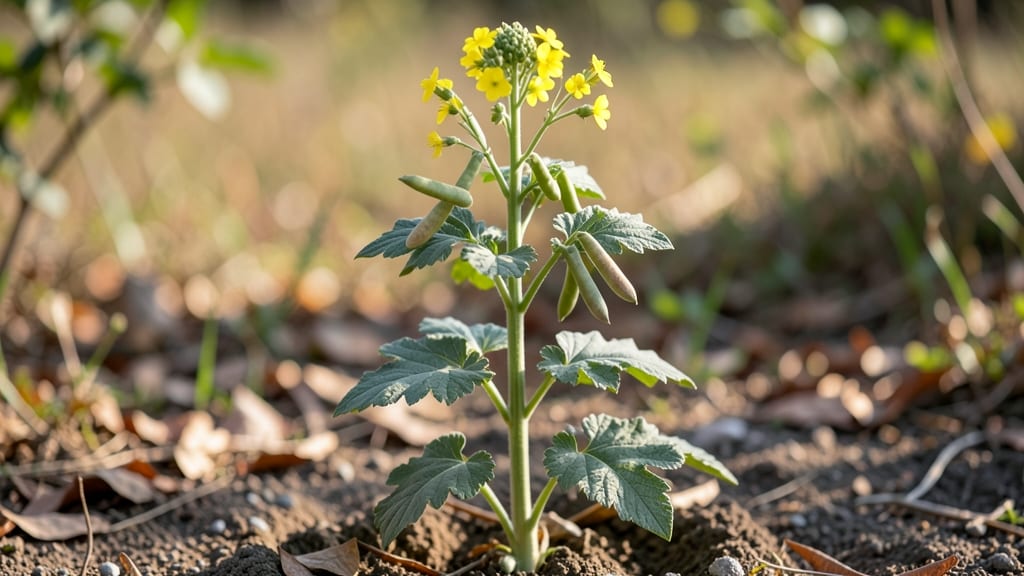
Harvesting wild mustard seed pods turns weeds into free garden assets. 🌱 These tough little volunteers pop up everywhere, but their seeds hold potential for pollinator-friendly gardens, wildlife support, or even next year's mustard patch. I've collected enough to fill a jar—no cost, just timing and a paper bag.
The trick is knowing when to act: pods turn from green to brown when ready, usually late summer to early fall. A quick tug releases seeds into your bag, and you're left with zero waste—just empty stems that decompose naturally.
No fancy tools needed, just patience and a sharp eye for those distinctive yellow blooms.
You'll end up with seeds that sprout reliably in poor soil, making them perfect for erosion control or filling bare spots. Birds love the seeds too, so you're supporting local ecosystems while reducing future weeds. The payoff is double: fewer mustards next year and happy pollinators visiting your garden.
Works anywhere mustards grow—lawn edges, roadsides, or disturbed soil—but check local regulations first. Some regions consider it invasive, so responsible harvesting means leaving some for wildlife. Here's how to make the most of what nature provides for free.
📚 In This Guide
- What you need
- Instructions
- Tips and common mistakes
- Wrapping up and next steps
What you need
- ● Gloves (nitrile or cotton): Protects hands from thorns or rough stems. 1 pair (waterproof preferred for wet conditions).
- ● Sharp scissors or pruning shears: For clean cuts without damaging the plant. 1 pair (bypass pruners work best).
- ● Paper bags or breathable fabric sacks: Collect pods without crushing them. 3–5 medium-sized bags (brown paper or mesh bags ideal).
- ○ Small brush or soft cloth: Gently removes debris from pods. 1–2 (optional but helpful for delicate pods).
- ● Labeling tags or markers: Identify harvest dates and locations. 5–10 tags (waterproof ink recommended).
- ● Field guide or app (e.g., iNaturalist, PlantNet): Confirms wild mustard identification to avoid look-alikes. 1 device (phone/tablet with offline access).
- ● Sunny, dry day: Ideal weather for harvesting (avoid rain or dew). ☀️
- ● Kneeling pad: Saves knees during low-harvesting sessions. 1 (foldable preferred).
- ● Small trowel or fork: Helps dig up roots if harvesting entire plants. 1 (stainless steel recommended).
- ● Dehydrator or oven-safe trays: Speeds up drying pods indoors. 1–2 trays (parchment paper lining helps).
- ● Seed storage jars (airtight, glass): Preserves viability for years. 2–3 jars (1-pint size ideal).
- ● Camera or notebook: Documents plant locations for future harvests. 1 (GPS coordinates helpful!).
How to harvest and save wild mustard seed pods for next year
Turn weeds into resources—here's how to collect, dry, and store wild mustard seeds efficiently.
🌿 Step 1: Identify and Harvest Mature Seed Pods
Wait until wild mustard plants produce brown, dry seed pods—they'll rattle when shaken. I harvest on a dry, sunny morning when humidity is low, as damp pods mold faster. Cut entire stems with 4-6 inches of stem attached using clean pruners or scissors to preserve pod integrity.
Place harvested pods in a paper bag immediately—plastic traps moisture and encourages rot. If you're harvesting multiple plants, bundle stems together with twine and hang them upside down from a clothesline or tree branch. This keeps pods dry and prevents seed loss from falling.
🌱 Step 2: Dry the Seed Pods Completely
Spread pods on a clean, dry surface in a well-ventilated area out of direct sunlight. A screen door or mesh-covered table works perfectly. Stir pods daily to ensure even drying—you'll know they're ready when pods split open easily and seeds rattle loudly when shaken.
This typically takes 7-10 days depending on humidity. If your climate stays damp, spread a thin layer of paper towels under the pods to absorb excess moisture. Never rush drying by using heat—high temperatures can reduce seed viability.
✂️ Step 3: Extract and Clean the Seeds
Once pods are completely dry, place them in a clean pillowcase or sturdy paper bag. Shake vigorously or use a rolling pin to gently break open pods and release seeds. I work outside or over a large tray to contain the mess—wild mustard seeds scatter easily.
Sift the mixture through a fine-mesh strainer to separate seeds from chaff. Discard any blackened or shriveled seeds—they won't germinate. Store clean seeds in a labeled envelope or small jar with a tight-sealing lid.
🪴 Step 4: Store Seeds for Maximum Viability
Place seeds in an airtight container with a desiccant packet to absorb moisture. I use small glass jars with silicone seals for long-term storage. Label each container with the harvest date—wild mustard seeds maintain viability for 2-3 years when stored properly in cool, dark conditions.
Store containers in the refrigerator's crisper drawer or a cool basement. Check periodically for signs of moisture or pests. If you notice any condensation inside the container, transfer seeds to a new dry container immediately to prevent spoilage.
⏰ Step 5: Test Seed Viability Before Next Planting
Before using stored seeds, conduct a quick viability test. Place 10 seeds between damp paper towels in a sealed plastic bag. Keep them in a warm spot (around 70°F) for 5-7 days. If at least 50% of seeds sprout, your seeds are viable and ready for planting.
This simple test saves you from planting hundreds of non-viable seeds. If germination rates are low, try storing seeds in the freezer for 1-2 weeks before planting—this often breaks dormancy in stubborn wild mustard seeds.
Tips & tricks for perfect wild mustard seed pod preservation
Transforming wild mustard weeds into next year's garden treasure takes patience—and these little tricks make all the difference.
Harvesting Strategy: I've learned the hard way that timing matters most in Step 1. Harvest pods when they're fully brown and rattle loudly—this means they're ready to release seeds. If pods still feel green or pliable, wait another week. The key is to harvest early in the morning after dew has evaporated, as damp pods develop mold within hours. I always cut stems with 4-6 inches attached to create a natural handle for hanging.
Drying Optimization: The 7-10 day drying period in Step 2 can feel agonizing, but rushing it ruins everything. Spread pods on a mesh screen or old window screen for maximum airflow—this prevents mold better than paper towels. Stir them daily to break up clumps and expose all sides to air. If your kitchen stays humid, place a small fan nearby to circulate air without creating drafts that scatter seeds.
Seed Extraction Hack: For Step 3, I've found that rolling pods gently with a wooden rolling pin works better than shaking in bags. The blunt surface cracks pods cleanly without damaging seeds. After extraction, I use a clean kitchen towel to catch any seeds that escape the strainer—wild mustard seeds are sneaky little things! Always discard any seeds with black spots or holes, as these won't germinate.
Storage Upgrade: While the instructions mention desiccant packets, I've had better luck with silica gel packets from new shoes—they're free and just as effective. For extra protection, I double-seal containers by first placing seeds in a small zip-top bag, then putting that inside the jar. This creates an extra moisture barrier that keeps seeds viable for the full 2-3 years.
Pro Tips for Wild Mustard Seed Pods
- Transforming wild mustard weeds into next year's garden treasure takes patience—and these little tricks make all the difference.
- Harvesting Strategy: I've learned the hard way that timing matters most in Step 1.
- Drying Optimization: The 7-10 day drying period in Step 2 can feel agonizing, but rushing it ruins everything.
Frequently asked questions
Got questions about harvesting and saving wild mustard seed pods? You’re not alone! Here are some common concerns—and their answers—to help you master zero-waste foraging like a pro.
How do I know when wild mustard seed pods are ready to harvest?
Wild mustard seed pods are ready when they turn brown and dry (usually late summer to early fall). Gently squeeze a pod—if seeds rattle inside, they’re harvest-ready! Avoid green pods, as they won’t yield viable seeds. Pro tip: Harvest on a dry, sunny day to prevent moisture from spoiling your seeds.
Can I save wild mustard seeds for next year, and how long do they last?
Yes! Store dried seed pods in a paper bag or glass jar in a cool, dark place. Seeds stay viable for 2–3 years if kept dry. For extra longevity, refrigerate them in an airtight container. Warning: Avoid plastic bags—condensation ruins seeds!
What if my wild mustard plants don’t produce pods? What went wrong?
Pods may fail to form due to overcrowding, poor pollination, or early harvesting (before flowering). Ensure plants get full sun and well-draining soil. If flowers appear but no pods develop, hand-pollinate with a soft brush or let beneficial insects (like bees) do the work!
Are wild mustard seed pods edible, or just for saving seeds?
While the seeds are edible (similar to mustard seeds), the pods themselves are tough and bitter—best used for seed-saving. However, young green pods can be pickled like okra for a tangy crunch! Just blanch and brine them for a unique zero-waste snack.
What’s a good alternative if wild mustard doesn’t grow in my area?
Try wild radish (Raphanus raphanistrum) or wild turnip—both produce similar seed pods and thrive in disturbed soils. For cultivated options, oriental mustard or brown mustard plants are great seed-saving alternatives with edible greens and seeds.
Wrapping up and next steps
Harvesting wild mustard seed pods is a rewarding way to embrace zero-waste gardening while stocking up on flavorful, nutrient-rich ingredients for the year ahead.
Whether you're a seasoned forager or just starting out, these resilient pods offer a simple yet impactful way to reduce food waste and connect with nature. Ready to take the next step? Start small—identify a patch of wild mustard, gather your tools, and begin your harvest with confidence! 🌱
Share your finds with fellow gardeners or experiment with your new seeds in recipes. Every pod saved is a step toward a more sustainable future!