
Lawn
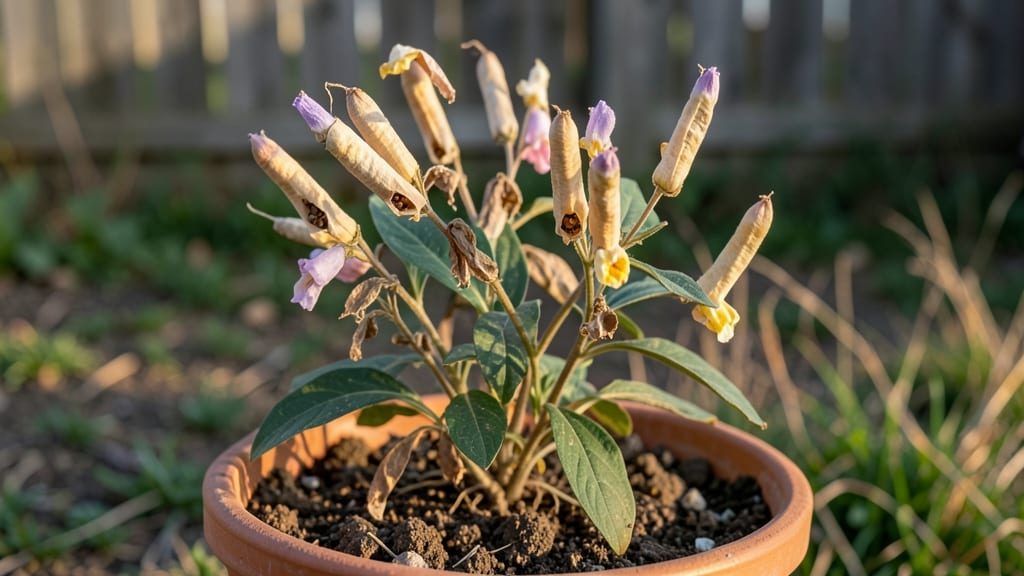
Harvesting dried snapdragon seed pods saves you money and ensures next year’s garden blooms with the exact varieties you love. ✨ The moment those papery pods turn brown and split open is your cue—ignore it, and you’ll lose seeds to birds or wind.
I’ve collected hundreds of pods over the years, and the secret lies in timing, gentle handling, and a few smart drying tricks that prevent mold or premature sprouting.
You’ll need just three things: a pair of clean scissors or pruners, a brown paper bag for collection, and a dry, dark spot for drying—no fancy equipment required.
The pods should be fully mature but not yet split open, which usually happens in late summer to early fall, depending on your climate. Once you’ve gathered them, the real magic happens in how you dry and store them to keep those seeds viable for years.
Properly dried pods yield seeds that stay fresh for 3-5 years when stored correctly, giving you a head start on next season’s garden.
You’ll end up with a collection of rustic, textured pods that double as charming garden decor or crafting materials—think dried arrangements, seed packet labels, or even whimsical mobiles for your porch. The best part? You’ll never have to buy snapdragon seeds again.
Whether you’re a seed-saving purist or just love the idea of growing from your own harvest, this method works for any snapdragon variety. The key is patience—rushing the drying process or storing seeds in damp conditions is how you end up with moldy messes instead of next year’s blooms.
Let’s make this your easiest, most reliable seed-saving season yet.
📚 In This Guide
- What you need
- Instructions
- Tips and common mistakes
- Wrapping up and next steps
What you need
- ● Mature snapdragon plants – Ensure they’re fully bloomed and seed pods are brown/dry (no green stems!). Aim for 10–20 plants for a decent yield.
- ● Sharp pruning shears or garden scissors – Clean, sterilized to avoid spreading disease (rubbing alcohol wipe works!).
- ● Paper bags or breathable mesh bags – Brown paper lunch bags (1–2 per plant) or seed-saving mesh bags (reusable). Avoid plastic!
- ● Drying rack or flat surface – A screened porch, garage shelf, or cardboard box with holes for airflow. Elevate pods 2–3 inches off the ground.
- ● Labeling tags & permanent marker – Write variety names and harvest dates on bags (e.g., "Pink ‘Matrix’ – 2024").
- ● Small paintbrush or tweezers – For gently coaxing stubborn seeds from pods later.
- ● Desiccant packets – Place 1–2 silica gel packets in bags to speed drying (remove before storage!).
- ● Fan or dehumidifier – Boost airflow in humid climates (aim for 40–50% humidity).
- ● Seed envelope kit – For long-term storage (paper envelopes + airtight containers).
- ● Camera or notebook – Snap photos or sketch pod shapes/colors to remember varieties.
How to harvest and dry snapdragon seed pods for next season
Here’s how I collect, dry, and store snapdragon seed pods—no fuss, no wasted blooms.
🌿 Step 1: Identify and Select Mature Seed Pods
Snapdragon seed pods form after blooms fade and turn into long, slender capsules—usually 4-6 weeks after flowering. Look for pods that are brown and dry to the touch (they’ll rattle slightly when shaken). Avoid green or plump pods; these aren’t ready yet. I like to harvest on a dry, sunny morning when humidity is low—this prevents mold later.
Use clean pruning shears to snip the entire stem with the pod still attached. Cut 1-2 inches below the pod to include the stem’s strength. This makes handling easier and reduces breakage during drying. If pods are still on the plant but mature, you can gently twist them off by hand—just be careful not to crush them.
🪴 Step 2: Prepare Pods for Drying
Lay the harvested pods in a single layer on a clean, breathable surface like a wire rack, paper towels, or an open cardboard box. Avoid plastic or sealed containers—trapped moisture causes mold. Place them in a dry, shaded spot with good airflow, like a garage or covered porch. If humidity is high (above 60%), use a small fan on low to circulate air.
Drying takes 2-4 weeks, depending on your climate. You’ll know they’re fully dry when the pods split open easily with a gentle squeeze and the seeds inside look dark and papery. If you’re in a damp area, check daily and move them to a drier spot if needed. Never rush drying—rushed pods release seeds prematurely and may not store well.
⏰ Step 3: Extract and Store Seeds Properly
Once pods are completely dry, place them in a paper bag and gently squeeze or shake to release the seeds. Avoid crushing the pods—this can damage seeds. I like to do this over a clean sheet of paper to catch any stray seeds. Discard empty pods or those with mold. Store seeds in a small envelope or airtight container with a silica gel packet to absorb moisture.
Label the container with the variety name and harvest date—snapdragon seeds stay viable for 2-3 years if stored in a cool, dark place (like a fridge or seed vault). Keep them away from heat or light, which reduces germination rates. If you notice any musty smells or fuzzy growth, discard the batch—mold ruins seeds quickly.
☀️ Step 4: Optional—Encourage Self-Seeding for Next Year
If you want snapdragons to reseed naturally, leave a few mature pods on the plant until they split open on their own. Choose a sheltered spot in your garden where they can drop seeds without being disturbed. Lightly scratch the soil surface where pods fall to help seeds make contact with the earth. This method works best in mild climates—cold winters may kill seeds before they germinate.
For a more controlled approach, scatter saved seeds in well-drained soil in early spring. Press them lightly into the top ¼ inch of soil and keep the area moist until germination (usually 10-14 days). Thin seedlings to 6-8 inches apart once they’re 2-3 inches tall—this gives them room to grow strong stems and vibrant blooms.
Tips & tricks for perfect snapdragon seed pod harvesting
Real talk: Harvesting snapdragon seed pods feels like gardening magic—here’s how to make it foolproof.
Timing is Everything: Those 4-6 weeks after flowering are critical. I’ve learned the hard way that harvesting too early means immature seeds, while waiting too long risks them splitting open naturally. Check pods daily in the final week—they should rattle when shaken like tiny maracas. If they’re still firm, give them another week.
The Harvest Technique That Changed Everything: Always cut 1-2 inches below the pod when using pruning shears. This extra stem length makes handling easier during drying and prevents breakage. Pro move: Harvest on dry mornings—wet pods are slippery and more prone to damage. I keep a small bucket nearby to collect pods as I go, which saves time and keeps everything organized.
Drying Wisdom: The 2-4 week drying period can feel like forever, but rushing it is worse. I’ve seen pods mold in just days when humidity crept above 60%. My secret? Place a small fan on low near your drying setup—it creates gentle airflow without disturbing the pods. Check daily for any signs of mold (fuzzy spots or musty smells) and move pods immediately if needed. A dehydrator set to 95°F can speed this up to 3-5 days if you’re in a hurry.
Storage Secrets: Those 2-3 years of seed viability only happen with proper storage. I double-check my containers have silica gel packets before sealing—this prevents moisture buildup that leads to mold. Labeling with both variety and harvest date is non-negotiable. I keep my seed collection in the fridge’s crisper drawer where it’s consistently cool and dark. The first time I stored seeds at room temperature, they germinated poorly—never again!
Pro Tips for Dried Snapdragon Seed Pods
- Real talk: Harvesting snapdragon seed pods feels like gardening magic—here’s how to make it foolproof.
- Timing is Everything: Those 4-6 weeks after flowering are critical. I’ve learned the hard way that harvesting too ear...
- The Harvest Technique That Changed Everything: Always cut 1-2 inches below the pod when using pruning shears. This ex...
Frequently asked questions
Got questions about harvesting and storing dried snapdragon seed pods? You’re not alone—here are the answers to the most common queries to ensure a smooth process and bountiful blooms next season!
When is the best time to harvest snapdragon seed pods?
Harvest pods when they’ve turned tan or light brown and have split open slightly—usually 4–6 weeks after flowering. Avoid harvesting when pods are still green or fully closed, as seeds won’t be mature. Early morning harvests prevent humidity buildup, keeping pods dry faster.
How long do dried snapdragon seed pods last in storage?
Properly dried and stored pods stay viable for 1–2 years in a cool, dark place (like a paper envelope or breathable bag). Freezing them extends shelf life to 3–5 years—just label the bag with the harvest year! Check for moisture or mold; discard any pods that feel damp or smell off.
Can I reuse dried snapdragon seed pods for crafts?
Once seeds are removed, the papery, textured pods make stunning dried floral arrangements, potpourri, or winter wreaths. Soak them in warm water for 10–15 minutes to soften before arranging. For extra durability, spray with clear acrylic sealer—just avoid sealing if you plan to plant them later!
What should I do if my pods mold or get bugs?
Mold or pests (like weevils) mean high humidity or poor drying. If you spot issues, discard affected pods immediately—they can contaminate others. To prevent this, dry pods in a well-ventilated, dry area (like a mesh bag in a warm, shaded spot) and store them with a silica gel packet to absorb moisture.
Are there alternatives if my snapdragons don’t produce seed pods?
If your plants bolt early or fail to flower, try deadheading spent blooms to encourage more flowers (and pods!). For stubborn cases, opt for pre-purchased snapdragon seeds from a nursery or swap with local gardeners. Some varieties, like Antirrhinum majus, are more reliable producers—check seed packets for “self-seeding” traits!
Wrapping up and next steps
Harvesting dried snapdragon seed pods is a simple yet rewarding way to ensure next year’s vibrant blooms—without the stress of missed deadlines or forgotten tasks!
With the right tools and a little patience, you can easily preserve these delicate pods for future planting.
Now that you’re equipped with tips and answers to common questions, why not take the next step? Grab your pruners, head to your garden, and start collecting those pods before they release their seeds. Your future snapdragons—and your peace of mind—will thank you!