
Propagation
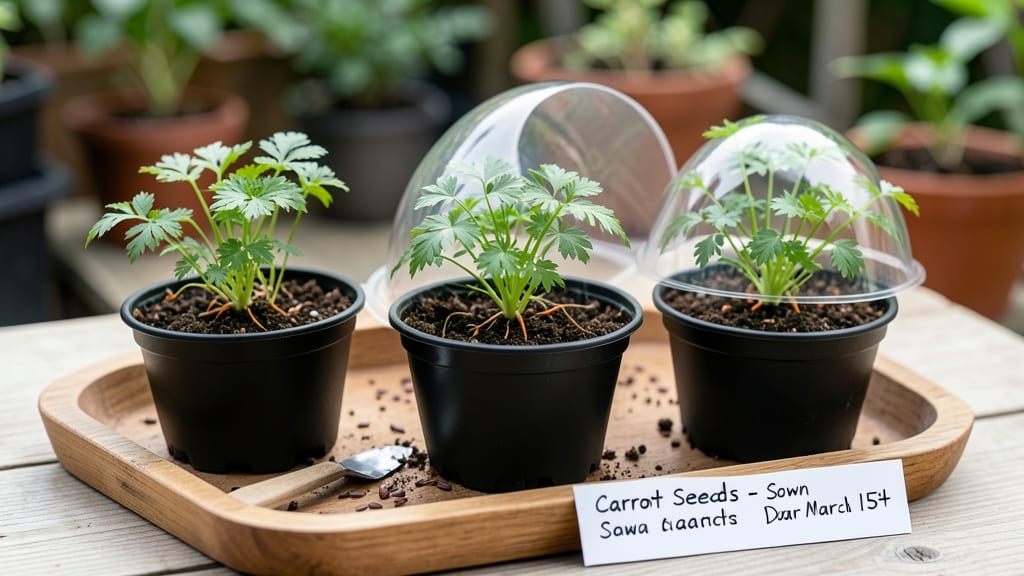
Growing carrots from seed in pots turns tiny spaces into harvest gold. 🌱 My first attempt with a 12-inch pot produced 10 perfect carrots—proof that deep roots don’t need deep soil. The secret lies in choosing the right varieties and containers, then mimicking their natural growing conditions.
You’ll need containers at least 12 inches deep (deeper for longer varieties), well-draining potting mix, and patience for 60-80 days until harvest. Short, round varieties like 'Paris Market' or 'Little Finger' thrive in pots, while long types need extra depth. Start seeds indoors or direct-sow in spring after frost.
By mid-summer, you’ll pull crisp, sweet carrots straight from containers. The key is consistent moisture (never soggy) and morning sun. Even my balcony garden now yields more carrots than my old in-ground patch—with zero weeding or soil compaction. For extra harvests, stagger plantings every 2 weeks through summer.
Pair with chives or radishes to deter pests and maximize space. Ready to grow? Let’s get those seeds started!
📚 In This Guide
- What you need
- Instructions
- Tips and common mistakes
- Wrapping up and next steps
What you need
- ● Carrot seeds: Choose a variety suited for containers, like Paris Market (short & round) or Little Finger (compact). Aim for 1–2 grams (about 100–200 seeds) per pot.
- ● Containers: Minimum 12-inch deep pots (deeper = longer carrots!). Use 5–6 inch diameter pots for single carrots or 10+ inch pots for clusters.
- ● Material: Terracotta, plastic, or fabric grow bags (ensure drainage holes!)
- ● Potting mix: Lightweight, well-draining soil (avoid garden soil—it’s too dense!). Mix 50% potting soil + 50% perlite/sand for ideal texture.
- ● Drainage: Pebbles or broken pottery shards (1–2 inches at the pot’s bottom).
- ● Watering can or spray bottle: Gentle watering prevents seed displacement.
- ○ Fertilizer (optional but helpful): Start with a balanced liquid fertilizer (10-10-10) when seedlings emerge.
- ● Switch to a low-nitrogen, high-phosphorus fertilizer (e.g., 5-10-10) as roots develop.
- ● 🌡️ Temperature: Carrot seeds germinate best in 60–70°F (15–21°C) soil. Use a seedling heat mat if your space is chilly!
- ● ✨ Light: Place pots in full sun (6+ hours daily) or under grow lights (14–16 hours/day).
- ● 🎯 Thinning: Grab a pair of clean scissors to snip (not pull!) overcrowded seedlings.
Step-by-Step instructions for growing carrots from seed in pots
Here's how to coax sweet, crisp roots from tiny seeds—even when space is tight.
🪴 Step 1: Choose the Right Containers and Soil Mix
Carrots need 12-16 inches of depth to grow properly, so opt for deep pots or grow bags—standard 6-inch pots won’t work. I use 5-gallon fabric grow bags because they’re lightweight yet provide the necessary root space. Fill the bottom third with a coarse mix of perlite and coarse sand to improve drainage and prevent soil compaction.
Next, add a high-quality seed-starting mix that’s light and sterile. Avoid garden soil—it’s too dense and will stunt root development. Tap the pot gently after filling to settle the mix without compacting it. The surface should feel fluffy enough to push a finger in about 1 inch without resistance.
🌱 Step 2: Sow Seeds Properly for Straight Growth
Carrot seeds are tiny and slow to germinate, so precision matters. Scatter 3-4 seeds per pot (you’ll thin later) on the soil surface, spacing them about ½ inch apart. Press them lightly into the soil with your finger—just enough to cover them with ¼ inch of mix. Over-deepening delays germination because the seedling struggles to reach light.
Mist the surface with a spray bottle until the top ½ inch of soil feels damp but not soggy. Cover the pot with a clear plastic dome or wrap to retain moisture and warmth. Place it in a spot with 65-75°F temperatures—a seedling heat mat helps if your home runs cooler. Germination takes 2-3 weeks, so patience is key.
☀️ Step 3: Provide Consistent Moisture and Light
Once sprouts appear, remove the plastic cover immediately to prevent fungal diseases. Keep the soil evenly moist—never let it dry out—but avoid soggy conditions. Water gently at the base to prevent washing away seedlings. You’ll know moisture is right when the soil surface looks slightly damp but not glistening.
Place the pots in full sun (6+ hours daily), but shield young seedlings from intense afternoon sun for the first week to avoid stress. If using a grow light, position it 2-3 inches above the plants and keep it on for 12-14 hours daily. Leggy, pale seedlings mean more light is needed—adjust immediately to prevent weak stems.
✂️ Step 4: Thin Seedlings and Monitor Root Development
When seedlings reach 2 inches tall (about 3-4 weeks after sowing), thin to 1-2 strongest plants per pot by snipping unwanted stems at soil level with clean scissors. This prevents overcrowding and ensures each carrot has space to thicken. Handle seedlings gently—carrot roots are delicate and bruise easily.
Check root development by gently pressing the side of the pot near the base. If you feel resistance, the roots are hitting the container’s sides—time to transplant to a deeper pot or the garden. Healthy carrots grow ½ inch per week, so adjust spacing or containers if growth slows.
💧 Step 5: Harvest at Peak Sweetness
Carrots are ready to harvest when they reach ½–¾ inch in diameter and the tops are 8-10 inches tall. Smaller carrots are sweeter and less woody. Grip the base firmly and twist gently to pull—if resistance is strong, wiggle slightly to avoid breaking the taproot. Water the pot lightly the day before harvest for easier extraction.
For continuous harvests, sow new seeds every 2-3 weeks after the first planting. Succession planting keeps your pots productive all season. Store harvested carrots in the fridge for 2-3 weeks or preserve them by blanching and freezing.
Tips & tricks for growing carrots from seed in pots
Took me a while to figure these out, so here's what actually works for growing carrots in containers.
Container Depth Matters: If your pot is only 12 inches deep, carrots will grow stunted and forked. I've found that 16-inch depth is ideal for full-sized carrots—anything less means you'll be harvesting tiny, misshapen roots. For deeper pots, use the extra space to grow multiple generations of carrots by succession planting every 2-3 weeks in the same container. This maximizes your limited space while keeping your harvests coming.
Soil Texture is Non-Negotiable: The perlite and coarse sand mix in Step 1 isn't just for drainage—it prevents soil compaction that causes forked roots. I like to add a handful of vermiculite to the seed-starting mix for even better aeration. The goal is soil that feels like a damp sponge when squeezed, not mud. If you're using garden soil, sift it through a fine mesh first to remove rocks and clumps that can distort root growth.
Germination Strategy: Those 2-3 weeks of waiting can feel endless, but here's what speeds it up: After sowing, place your covered pot in a warm spot (75°F is ideal) and keep the soil consistently damp. I've found that using a seedling heat mat under the pot can cut germination time by 3-4 days. Once sprouts appear, move to indirect light immediately—direct sun will scorch those delicate seedlings before they're ready.
Lighting Hacks: For indoor growers, position your grow light 2-3 inches above the seedlings and adjust as they grow. I've had success with LED grow lights on a timer for 12-14 hours daily—just make sure the light doesn't get too hot. A simple trick is to run your hand under the light: if it feels warm after 10 seconds, it's too close. For outdoor pots, rotate them quarter-turn daily so all sides get even sunlight exposure.
Pro Tips for Growing Carrots From Seed In Pots
- Took me a while to figure these out, so here's what actually works for growing carrots in containers.
- Container Depth Matters: If your pot is only 12 inches deep, carrots will grow stunted and forked. I've found that 16...
- Soil Texture is Non-Negotiable: The perlite and coarse sand mix in Step 1 isn't just for drainage—it prevents soil co...
Frequently asked questions
Got questions about growing carrots in pots? You’re not alone—this method has its quirks! Below, we’ve rounded up the most common queries to help you grow crisp, homegrown carrots without a hitch.
How deep should my pots be for growing carrots from seed?
For standard carrots, aim for pots at least 12 inches deep. Shorter varieties (like ‘Paris Market’) can thrive in 6-inch pots. Deeper pots prevent roots from bending or splitting, ensuring straighter, sweeter harvests. Use containers with drainage holes to avoid soggy soil!
When is the best time to plant carrot seeds in pots?
Start seeds indoors 4–6 weeks before your last frost date (early spring or late summer for fall crops). Carrots love cool weather—ideal soil temps are 55–85°F. If planting directly outside, sow seeds as soon as soil is workable (usually 2–4 weeks before last frost). Avoid planting in scorching heat!
Can I reuse soil from last year’s carrot pots?
Not ideal! Carrot flies and diseases may linger in old soil. Refresh with sterile potting mix or compost amended with perlite/sand (for loose texture). If reusing soil, bake it at 200°F for 30 minutes to kill pests. Always use fresh seed-starting mix for best germination.
Why are my carrot seeds taking forever to sprout, or not sprouting at all?
Carrot seeds are tiny and slow—germination can take 2–4 weeks! Keep soil moist (not soggy) and warm (70–75°F). If seeds fail to sprout, check for:
- Old seeds (use within 1 year for best results).
- Poor soil contact—press seeds lightly into soil.
- Temperature fluctuations—use a heat mat if needed.
What if my carrots grow too big for the pot?
If roots outgrow the container, they’ll fork or split. To fix this:
- Harvest smaller carrots early (they’re sweeter!).
- Thin seedlings to 2 inches apart (crowding stresses roots).
- Upgrade to deeper pots or a raised bed for next season.
Pro tip: Try short varieties like ‘Little Finger’ or ‘Nantes’ for pots—they’re bred to stay compact!
Wrapping up and next steps
Growing carrots from seed in pots proves that space isn’t a limitation—just creativity and patience! 🌱 With the right containers, soil, and care, you’ll enjoy crisp, homegrown carrots even in small areas. Whether you’re a beginner or a seasoned gardener, this method is rewarding and accessible.
Ready to dive deeper? Start small with a single pot this season, and soon you’ll be experimenting with varieties, companion plants, or even vertical gardening. Happy growing—your harvest is waiting! 🥕✨