
Blooming
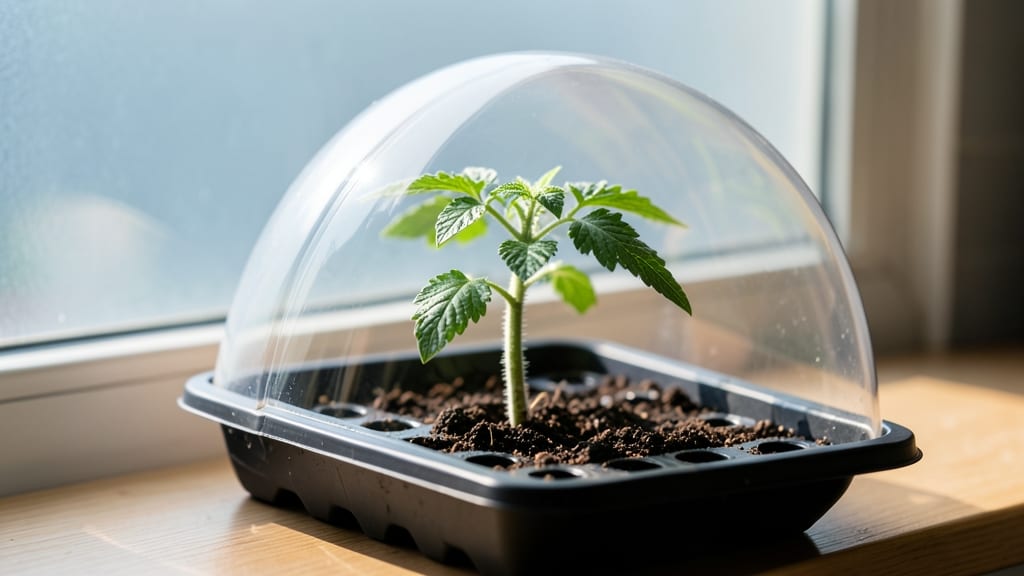
To take dome off seedlings, wait until they’re stocky with dark green leaves and their stems can support themselves—usually after 2-3 weeks of strong growth.
Struggling with weak seedlings that wilt the moment you transplant them? The key to success lies in knowing exactly when to remove that protective dome—and how to test their readiness for the great outdoors.
Most gardeners rush this step, only to watch their 🌱 seedlings collapse under the stress of sudden exposure. But with the right cues—like leaves touching the dome or firm stems—you can avoid this common pitfall and set your plants up for thriving growth.
Below, I’ll break down the exact signs to watch for, how to harden them off safely, and what to do if you’ve already gone too fast. Your seedlings will thank you!
The hardiness test: how to know when seedlings are ready for dome removal
Removing the protective dome too early can shock delicate seedlings, while keeping it too long creates weak, leggy plants. The key is testing their hardiness through simple visual and tactile checks.
I’ve learned that seedling strength isn’t just about size—it’s about resilience. Start by observing their leaf development and stem thickness over 3-5 days before making the call.
First, check for dark green leaves that aren’t touching the dome when fully extended. If they’re light green or yellowing, they’re not ready—this signals nutrient stress or overcrowding.
Healthy seedlings should also have sturdy stems that don’t bend easily. If they wilt when you gently touch them, they’re still too fragile for dome removal.
Here’s my foolproof step-by-step guide to testing seedling hardiness before dome removal:
Gently pinch a seedling stem near the base. If it snaps or bends dramatically, it’s not ready. Healthy stems should flex slightly but return to shape—this means they’ve built cell wall strength.
Examine leaves for dark green color and waxy texture. Avoid removing the dome if leaves are soft or translucent, as this indicates low humidity tolerance. Ready seedlings should have thick, upright leaves.
Lift the dome slightly and observe. If leaves immediately wilt or curl inward, they’re not acclimated. Wait until leaves stay upright for 10+ minutes after dome removal—this proves they can handle drier air.
Gently remove one seedling from its pot. Strong roots should be white or light tan, not mushy or black (root rot risk). If roots are spread out and thick, they’ve developed enough to support outdoor conditions.
Even if seedlings pass the tests, remove the dome gradually. Start by lifting it for 1-2 hours daily, increasing time by 30 minutes each day. This mimics natural wind exposure and prevents transplant shock.
Check your local frost dates and nighttime temperatures. Seedlings should tolerate 50°F (10°C) minimum temps without wilting. In colder climates, delay dome removal until after the last frost.
I’ve found that herbs like basil and leafy greens often pass the hardiness test faster than tomatoes or peppers, which need thicker stems. Always prioritize stem strength over leaf size—leggy seedlings with thin stems will struggle outdoors, no matter how many leaves they have.
After passing the tests, place seedlings in a shady spot for the first 24 hours to monitor their reaction. Watch for wilting or yellowing—these are signs they need more time under the dome. If they thrive, it’s time to harden them off for 7-10 days before transplanting.
Remember, patience is key. Rushing dome removal leads to damping-off disease or stunted growth. When in doubt, keep the dome on for another 3-5 days. Your seedlings will thank you with vigorous outdoor growth!
🌱
Common mistakes that stunt seedling growth after dome removal
Removing the dome too soon is one of the most common mistakes that sends seedlings into shock. I’ve seen delicate basil and tomato starts collapse overnight when exposed to wind or temperature swings before they’re ready.
The dome isn’t just about humidity—it’s a gradual acclimation shield that protects young stems from stress.
Another frequent error is sudden full exposure to outdoor conditions. Even if your seedlings look sturdy, a single gust of wind or afternoon sun can scorch tender leaves.
I learned this the hard way with my pepper seedlings—they thrived under the dome but wilted dramatically after just 30 minutes outside. Patience is key here; seedlings need time to adjust.
Overwatering after dome removal is another silent killer. I’ve watched seedlings drown in soggy soil because I assumed they needed more water after the dome came off. The truth? Moisture balance shifts when humidity drops.
Water only when the top ½ inch of soil feels dry, and always use the "bottom-watering method" to prevent fungal diseases like damping-off.
Ignoring hardening-off schedules leads to weak transplants. I used to rush my seedlings outside for a few hours daily, thinking they’d toughen up faster. But without a gradual 7-10 day transition, their stems stay weak and leaves burn.
Start with 1-2 hours of shade on day one, then increase exposure by 30 minutes daily while avoiding direct sun.
One mistake I see often is removing domes during windy or rainy days. Even if your seedlings pass the touch test, a storm can undo weeks of progress. Always check the 5-day forecast before making the switch.
If winds exceed 10 mph or rain is predicted, wait another 2-3 days—your seedlings will thank you with stronger growth.
Finally, skipping the final dome removal entirely can trap seedlings in a humid prison. I’ve had herb seedlings develop powdery mildew because I left the dome on too long after they were ready.
Once your seedlings pass the touch test and show dark green, upright leaves, remove the dome completely and monitor for 24 hours to ensure no stress signs appear.