
Landscaping
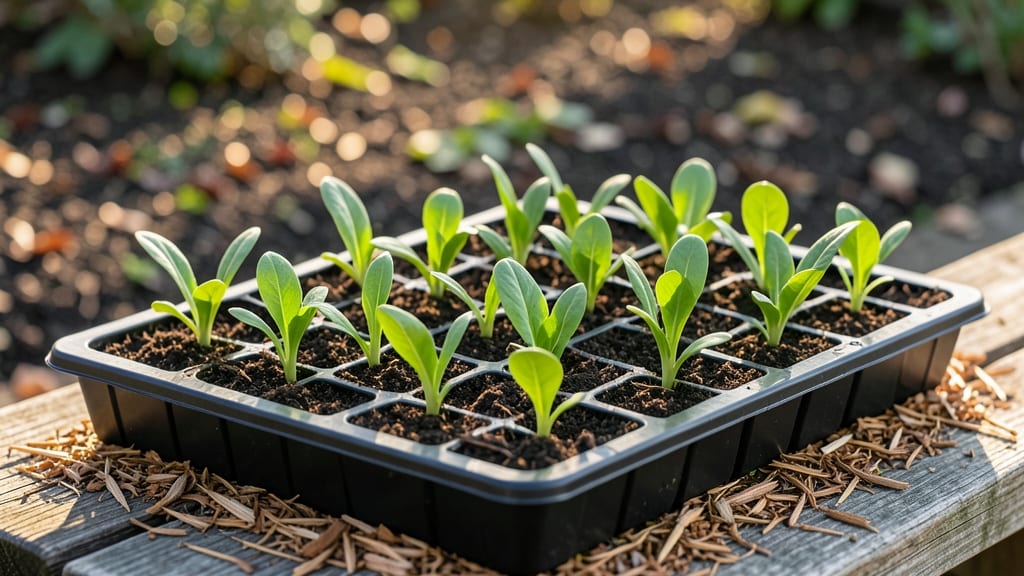
Using mulch for seedlings creates an ideal growing environment by locking in moisture, stabilizing soil temperatures, and blocking weeds while preventing surface crusting. Spread a shallow layer (1-2 inches) only after your seedlings have sprouted, keeping it clear of stems to avoid fungal issues.
Mulching seedlings acts like a protective blanket for young plants, shielding them from extreme temperature swings that can stress tender roots. 🌱 Organic materials like straw or shredded leaves also break down slowly, adding nutrients to the soil as they decompose.
The key is timing—applying mulch too early can smother emerging seedlings, while waiting too long leaves them vulnerable to drying out or weed competition.
For best results, I recommend using lightweight organic mulches that allow water to penetrate easily. Avoid thick layers or materials that mat down, as this can suffocate roots. A 1-2 inch layer is perfect for most seedlings—just enough to do the job without creating problems.
💡 In This Article
- How Mulch Protects Seedlings and Improves Growth
- Best Mulch Types and Application Tips for Seedlings
How mulch protects seedlings and improves growth
Mulch acts like a living ecosystem for your seedlings, creating a microclimate that mimics their natural habitat. The primary mechanism is moisture retention—organic mulches like straw or shredded leaves absorb and slowly release water, reducing evaporation by up to 70% compared to bare soil.
This is especially critical for seedlings with shallow root systems that can't access deep moisture. The porous structure of mulch also allows oxygen to reach roots while preventing the soil from forming that hard, crusty surface that blocks water and air flow.
Temperature regulation is another game-changer. Organic mulches moderate soil temperature swings by 10-15°F during heatwaves and 5-10°F during cold snaps, protecting delicate seedlings from heat stress or frost damage. Dark-colored mulches absorb sunlight and radiate warmth at night, while light-colored options reflect heat during the day.
This thermal buffering is particularly valuable for heat-sensitive crops like lettuce or basil, which can bolt (prematurely flower) when exposed to sudden temperature spikes above 80°F. 🌡️
The weed suppression benefits go beyond just blocking sunlight—mulch creates a physical barrier that prevents weed seeds from germinating and competing for nutrients. Studies show mulched beds can reduce weed growth by 80-90% compared to unmulched areas.
This competition is deadly for seedlings, as weeds can grow 10 times faster than young plants and steal up to 50% of available water and nutrients. Mulch also disrupts weed seed germination by altering light conditions and soil moisture levels that weeds need to sprout.
Perhaps most surprising is how mulch boosts soil health through microbial activity. As organic mulches decompose, they feed beneficial soil bacteria and fungi that break down organic matter into plant-accessible nutrients.
This process, called mineralization, releases nitrogen, phosphorus, and potassium gradually over weeks or months—perfect timing for seedlings that need steady nutrition without the risk of burn from sudden nutrient spikes. The decomposition also improves soil structure by creating channels that enhance drainage and root penetration.
Inorganic mulches like landscape fabric or black plastic offer some benefits (especially weed suppression), but they lack the soil-enriching properties of organic options. Fabric can actually trap heat and moisture against the soil, creating conditions that promote fungal diseases like damping-off, which is particularly deadly for seedlings.
Organic mulches strike the perfect balance—protecting plants while actively improving the growing environment over time. The key is choosing materials that decompose at a rate matching your planting timeline.
One often-overlooked benefit is mulch's role in pest control. The physical barrier makes it harder for cutworms and slugs to access seedlings, while some organic mulches (like cedar chips) contain natural compounds that repel certain pests.
Even the simple act of spreading mulch disturbs soil-dwelling insects that might otherwise attack young plants. This multi-layered protection system is why experienced gardeners swear by mulch—it's not just about what you see on top, but all the invisible benefits happening below the surface. 🌱