
Propagation
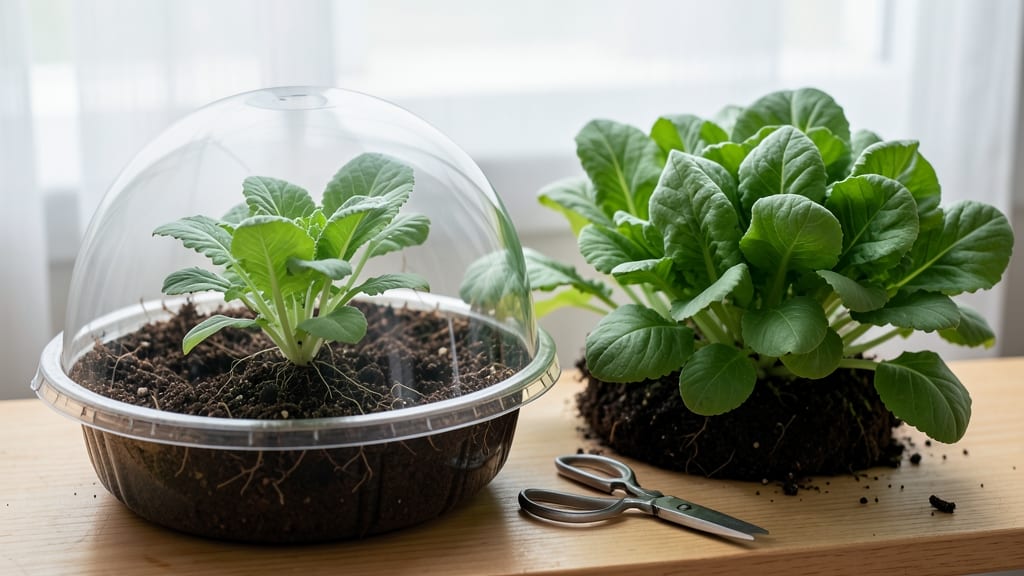
Knowing when to start germinating seeds indoors—4 to 8 weeks before your last frost—sets the stage for vigorous seedlings ready to flourish in any garden zone.
Picture this: you’ve got your trays ready, the soil is warm, and the seeds are just about to sprout—only to realize it’s already May, and your frost date was in April. That’s the kind of timing mistake that turns eager gardeners into frustrated plant parents overnight.
But here’s the good news: with a little math and a zone-specific schedule, you can avoid the guesswork.
Whether you’re in Zone 6a or somewhere warmer, I’ll walk you through how to calculate your perfect start date, adjust for fast vs. slow growers, and even troubleshoot when things go off track.
By the end, you’ll know exactly when to press those seeds into soil for faster, more reliable sprouts—and a garden that makes you the envy of the neighborhood.
Zone-by-zone indoor germination timeline for common vegetables
Starting seeds indoors gives you a head start on the growing season, but timing is everything. If you begin too early, your seedlings may become overcrowded and leggy; too late, and they won’t mature before your last frost date.
Each USDA zone has its own ideal window, and understanding these differences ensures your tomatoes, peppers, lettuce, and herbs are ready for transplanting at the perfect time. Let’s break it down by zone so you can plan with confidence.
For this guide, I’ve focused on four popular vegetables—tomatoes, peppers, lettuce, and basil—because they represent a range of germination times and growth rates. Tomatoes and peppers are slow growers, needing 8-12 weeks indoors before transplant, while lettuce and basil mature faster, typically in 4-6 weeks.
Knowing your zone helps you calculate when to start seeds so seedlings are robust and ready to face the outdoors.
In USDA zones 3-4, where frost lingers until mid-May, you’ll want to start tomatoes and peppers by mid-March to give them enough time to grow strong before transplanting. These cooler zones benefit from an early start, as seedlings need 8-10 weeks indoors to develop sturdy roots and foliage.
Meanwhile, lettuce and basil, which mature faster, can wait until early April to avoid overcrowding in your seed trays.
For zones 5-7, the timing shifts slightly earlier. Gardeners in zone 5, with a last frost around May 1, can start tomatoes by February 1 and peppers by mid-January. The key here is to balance the seedling growth rate with your outdoor conditions.
If you live in zone 6 or 7, you might even squeeze in a second planting of fast growers like lettuce in late summer for a fall harvest.
Gardeners in zones 8-10 have the luxury of longer growing seasons, but that doesn’t mean you can skip planning. Even in warmer climates, starting seeds too early can lead to overgrown, leggy seedlings that struggle when transplanted. In these zones, I recommend beginning tomatoes by mid-December and
Key factors that determine your perfect germination start date
Calculating your indoor seed germination window depends on three critical factors: your last frost date, the maturity time of your chosen plants, and your indoor growing conditions. Skipping any step risks either leggy seedlings or plants that arrive too late for transplanting.
For example, tomatoes need 8-10 weeks indoors before last frost, while basil only requires 4-6 weeks.
Start by checking your USDA hardiness zone—this determines your last frost date. In Zone 5, this might be May 15, while Zone 10 could see frost-free conditions year-round. Next, research each seed packet's days-to-maturity label.
Subtract this number from your frost date to find your ideal start window. For instance, if your last frost is April 15 and you're growing peppers (120 days to harvest), you'd start seeds indoors by December 15.
Your indoor lighting setup also plays a crucial role. Seedlings need 12-16 hours of light daily—natural sunlight won't cut it in winter. Without proper grow lights, seedlings stretch toward light sources, becoming weak and prone to falling over.
Even a south-facing window may not provide enough light during short winter days, so invest in LED grow lights if needed.
✅ Numbered Highlights: Your Germination Timeline Checklist
- 1. Last Frost Date: Find your zone's average last frost (check USDA Zone Map). Example: Zone 6a = April 15.
- 2. Seed Maturity: Subtract days-to-harvest from frost date. Tomatoes (90 days) in Zone 6a start January 15.
- 3. Fast vs Slow: Leafy greens (30-45 days) can wait until March 1, while broccoli (70-80 days) needs an earlier start.
- 4. Light Check: Test your setup—seedlings should be 2-3 inches from grow lights for even growth. Use a timer for 14-16 hours/day.
- 5. Adjust for Late Seasons: If frost comes early, use black plastic mulch or row covers to extend outdoor time.
Adjust your schedule for early or late seasons. If you're in a Zone 3 with a late spring, start seeds 6-8 weeks earlier than usual. Conversely, in Zone 10, you might extend germination into fall for winter crops like kale or spinach.
Always account for 2-3 weeks of hardening off before transplanting—this acclimates seedlings to outdoor conditions and prevents shock.
Don't overlook temperature control. Most seeds germinate best at 70-75°F, but some, like peppers, prefer 80-85°F. Use a seedling heat mat if your home runs cooler.
Conversely, avoid placing trays near drafty windows or vents, which can cause temperature fluctuations and uneven germination. Consistency is key for strong, healthy starts.
By balancing these three core factors—frost dates, seed maturity, and growing conditions—you'll create a personalized germination timeline that maximizes your success. Start with a small batch of seeds to test your setup, then scale up as you refine your timing.
With practice, you'll achieve robust seedlings ready to thrive in your garden—no wasted effort or leggy disasters! 🌱