
Planting
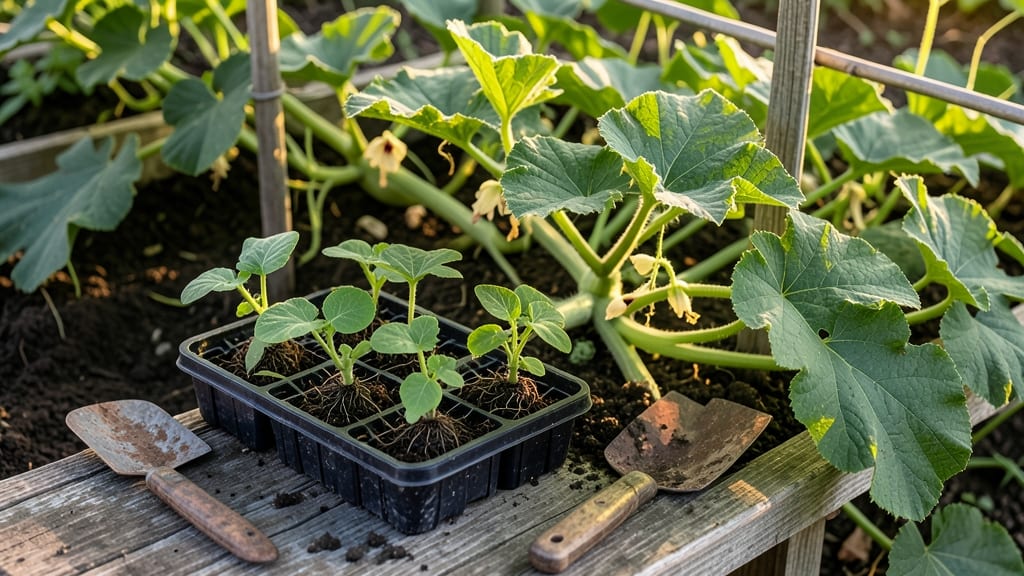
Sow watermelon seeds when soil temperatures hit 70°F (21°C)—that’s the magic number for fast germination and strong starts.
Struggling to get your 🍉 seeds to sprout? Timing is everything—and soil temperature is the secret weapon most gardeners overlook. Plant too early, and your seeds will rot in cold soil; too late, and you might miss the growing season entirely.
This isn’t just about waiting for spring—it’s about knowing your zone, warming the soil, and choosing the right window. In Zone 6a, that means holding off until after your last frost (usually mid-April), but warmer regions can start earlier.
Below, I’ll break down the exact soil temps you need, how to speed up germination if conditions are slow, and the best months to plant for a bountiful harvest.
Optimal soil temperature for sowing watermelon seeds: the exact range you need
Watermelon seeds are notoriously picky about soil temperature. Unlike cool-season crops, they demand warmth to germinate—70°F to 90°F (21°C to 32°C) is the sweet spot for consistent sprouting. Plant too early, and your seeds will rot in cold, damp soil.
Too late, and you’ll miss the 90-day growing window for a full harvest. The science behind this range? Watermelon seeds need warmth to activate enzymes that break down stored nutrients, kickstarting growth.
Most gardeners focus on frost dates, but soil temperature is the real game-changer. A soil thermometer (just $10 at garden centers) is your best friend here—stick it 2 inches deep in the soil where you’ll plant.
If it reads below 70°F (21°C), your seeds will either refuse to sprout or develop fungal diseases from sitting too long in damp conditions. Pro tip: Morning is the best time to check—soil cools overnight, so afternoon readings can be misleading.
Here’s the golden rule: Wait until the soil consistently hits 70°F (21°C) for at least 5 days in a row. This ensures your seeds have the stable warmth they need to germinate within 7–10 days.
In cooler climates, this might mean starting seeds indoors 2–3 weeks before transplanting outdoors. But if you’re in a Zone 9–11 area, you can direct-sow as early as March, provided the soil is warm enough.
🌱
Regional adjustments are key. In the Northeast (Zones 3–5), aim for late May to early June when soil finally warms up. Meanwhile, in the South (Zones 8–11), you can start as early as February or March under row covers or in greenhouses.
The trick is balancing warmth with frost risk. For example, in Zone 6, planting in early May might feel safe, but a late frost can still kill tender seedlings. Always check your local USDA frost date calculator and pair it with soil temp data.
If your soil is stubbornly cold, don’t despair—there are workarounds. A heat mat (like those used for seedlings) can raise soil temp by 10–15°F in just days. Or try black plastic mulch, which absorbs sunlight and radiates heat back into the soil.
For extreme cases, pre-sprout seeds in biodegradable pots on a sunny windowsill or under grow lights, then transplant when outdoor soil hits 70°F (21°C). This two-step method buys you 2–3 weeks of flexibility in cooler climates.
Cold soil isn’t the only enemy—overly wet conditions can also stall germination. Watermelon seeds need moist but well-draining soil. If your garden holds too much water, amend the soil with compost or sand to improve drainage.
And here’s a pro move: Water the soil just before sowing (not after) to avoid washing seeds too deep. Aim for a 1-inch depth—any deeper, and they’ll struggle to reach the surface.
💧
To measure soil temperature accurately, avoid relying on air temperature—they’re often 10–15°F apart. Dig a small hole, insert the thermometer, and wait 5 minutes for a stable reading.
For a quick DIY test, press your hand into the soil: If it feels warm to the touch (like a hot bath), it’s likely in the 70–80°F (21–27°C) range. If it’s cool or chilly, your seeds won’t germinate.
This tactile check is especially useful when you don’t have a thermometer handy.
One common mistake? Assuming spring air temperatures mean the soil is ready. In Zone 5, for instance, air might hit 60°F (15°C) by April, but the soil could still be 45°F (7°C). That’s why soil thermometers
Best months to plant watermelon seeds by US growing Zones: a state-by-state guide
Watermelon seeds need warm soil to germinate, so timing depends on your USDA zone and last frost date. Planting too early risks frost damage, while late planting may shorten harvests. Let's break down the best months by zone to maximize your watermelon yield.
In Zones 3-5, wait until after May 15 when soil reaches 70°F (21°C). Southern states in Zones 8-11 can start as early as March, but avoid extreme heat—ideal temps are 70°F-90°F (21°C-32°C). Always check your local frost-free date for safety.
| USDA Zone | Best Planting Months | Soil Temp Requirement | Notes |
|---|---|---|---|
| Zones 3-4 | Late May - Early June | 70°F+ (21°C+) | Use black plastic mulch to warm soil faster. |
| Zones 5-6 | Mid-May - Late June | 70°F+ (21°C+) | Start indoors 2-3 weeks before last frost. |
| Zones 7-8 | April - Early June | 70°F-90°F (21°C-32°C) | Avoid planting after July for harvest timing. |
| Zones 9-10 | February - April | 75°F+ (24°C+) | Use shade cloth if temps exceed 95°F (35°C). |
| Zone 11 | Year-round (avoid summer) | 70°F-85°F (21°C-29°C) | Plant in fall/winter for best results. |
For Zones 3-6, early planting risks frost damage, but starting seeds indoors 4-6 weeks before your last frost date helps. Transplant seedlings outdoors after soil warms to 70°F (21°C).
In Zones 7-11, avoid planting after July—melons need 75-90 days to mature, and late starts may not ripen before frost.
In hot climates (Zones 9-11), plant in early spring or fall to escape summer heat. Watermelons thrive in 70°F-90°F (21°C-32°C), but temperatures above 95°F (35°C) can stress plants. Use drip irrigation and shade cloth to protect seedlings.
Pro tip: Test soil temperature with a soil thermometer—it’s the best way to time planting. If your soil is below 70°F (21°C), use black plastic mulch or a seedling heat mat to speed up warming.
Remember, soil temperature matters more than air temperature. Even if the air feels warm, cold soil will delay germination. Adjust your planting schedule based on local microclimates—south-facing beds warm faster than shady spots.