
Plants
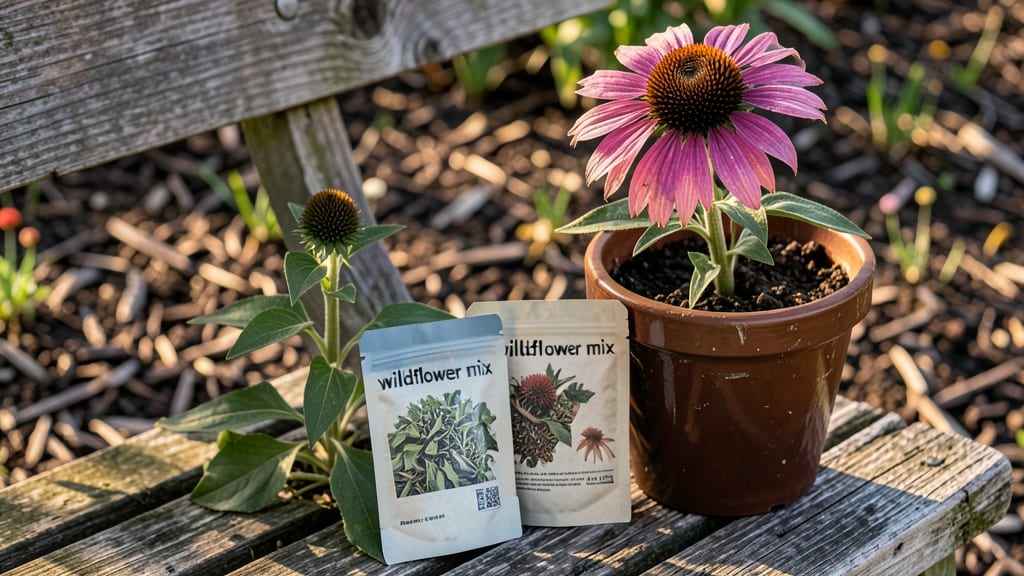
Planting wildflower seeds in Connecticut at the right time ensures vibrant blooms 🌼—and skipping the window means waiting another year for that meadow magic.
If you’ve ever scattered seeds in early spring only to watch them sprout and then fizzle under a late frost, you know timing is everything. Connecticut’s 5b-6b zones give you two prime chances: early spring or late summer, but the devil’s in the details.
The key is soil temperature—warm enough for germination but cool enough to avoid drought stress. In Zone 6a, aim for mid-April (after the last frost), while Zone 6b gardeners can start as early as late March.
Fall planting? Wait until August or early September, when seeds can root before winter sets in.
Below, I’ll break down the exact months, soil prep tricks, and the top 5 wildflowers that thrive in CT’s climate—so you can finally get those blooms you’ve been dreaming of.
Best planting months for wildflowers in CT by hardiness zone
Connecticut’s USDA hardiness zones 6a and 6b create a unique window for wildflower planting, where timing directly impacts germination success. Unlike annuals, many wildflowers thrive when seeded in cool-season windows, but knowing your exact zone and microclimate is key—especially in CT’s variable spring frosts and humid summers.
For zone 6a (northern CT, like Hartford and Torrington), aim for late March to early April or late August to mid-September. Zone 6b (southern CT, like New Haven and Stamford) enjoys a slightly extended window—early March to mid-April or mid-August to early October.
These differences matter because soil temperatures rise faster in southern CT, allowing earlier spring plantings.
Here’s the science behind it: Wildflower seeds need consistent soil temps between 45°F and 65°F to germinate. In CT, this aligns with spring’s thawing ground (March–April) and fall’s cooling trend (August–September). Planting too early risks frost damage, while late plantings miss ideal moisture levels.
Regional microclimates also play a role. Coastal areas (like Groton or New London) stay milder, delaying frost dates by 1–2 weeks compared to inland zones. Meanwhile, higher elevations (e.g., Litchfield Hills) may need to wait until mid-April for spring plantings due to lingering cold.
Fall planting is often more successful in CT because it avoids spring’s unpredictable weather and gives seeds time to establish roots before winter. However, late summer (August) is ideal—planting in September or October risks seeds sprouting before frost, which kills tender seedlings.
Soil preparation is just as critical as timing. CT’s clay-heavy soils can compact easily, so loosen the top 2–3 inches before scattering seeds. A light raking or compost amendment improves drainage, which wildflowers crave. Avoid heavy tilling—it disrupts the mycorrhizal networks wildflowers rely on for nutrients.
Pro tip: Use a seed starter mix if sowing in late fall (October). This creates a protective layer while keeping seeds dormant until spring’s warmth triggers germination. For spring plantings, wait until after the last frost date (typically mid-April) to avoid seed loss.
If you’re unsure about your exact microclimate, observe local tree budding or spring crocus blooms—these are natural indicators of warming soil. For example, red maple trees in full bloom signal safe spring planting in most of CT.
Watering after planting is non-negotiable. In spring, aim for ¼-inch of water 2–3 times weekly until seeds sprout. In fall, reduce to once-weekly watering to prevent rot. Use a rain gauge or tuna can (marked with measurements) to track moisture—wildflowers hate soggy soil.
Finally, remember that perennial
How to prepare your CT soil for wildflower seed success
Connecticut’s clay-heavy soils and variable moisture can make wildflower seed success tricky, but with the right prep, you’ll create the perfect germination environment. The key lies in improving drainage and balancing nutrients—especially in CT’s USDA zones 6a/6b—where compacted soil often suffocates delicate seeds.
Start by testing your soil’s pH and organic matter content. Wildflowers thrive in slightly acidic to neutral soil (pH 6.0–7.0), but CT’s native clay tends to be alkaline (pH 7.0+).
A simple home pH test kit ($10–$15) will reveal whether you need to lower pH with sulfur or raise it with lime.
Remove weeds and debris from your planting site. Use a broadfork or shovel to loosen the top 6–8 inches of soil without turning it over (this preserves soil structure).
Mix in 2–3 inches of compost or well-rotted manure to improve drainage and moisture retention. For heavy clay, add sand or perlite (1 part sand to 3 parts soil) to break up compaction.
If your soil is too alkaline (pH >7.0), apply elemental sulfur (1 lb per 100 sq ft) and retest in 2–3 months. For acidic soil (pH <6.0), add pelletized lime (5 lbs per 100 sq ft) in fall.
Rake the soil to a fine, level surface—wildflower seeds need good seed-to-soil contact. Lightly tamp down with a board or roller to ensure seeds stay in place, especially in windy CT sites.
Apply a thin layer of straw (¼ inch) to protect seeds from bird scatter and drying winds. Avoid thick mulch—it can smother small seeds and trap too much moisture.
After prepping, water deeply but gently to settle seeds without displacing them. Connecticut’s spring rains can wash seeds away, so a light misting (¼ inch) right after planting mimics natural moisture patterns.
For fall plantings, aim to finish prep at least 4–6 weeks before frost to let seeds stratify naturally.
Pro tip: Mark your planting site with bamboo stakes to avoid tilling or disturbing the area until seeds germinate (typically 10–30 days for most wildflowers). CT’s unpredictable spring weather means seeds may take longer to sprout—patience is key!
Once established, wildflowers in CT will thrive with minimal care, but your soil prep work now ensures they compete with weeds and bloom reliably for years. Happy growing! 🌱