
Plants
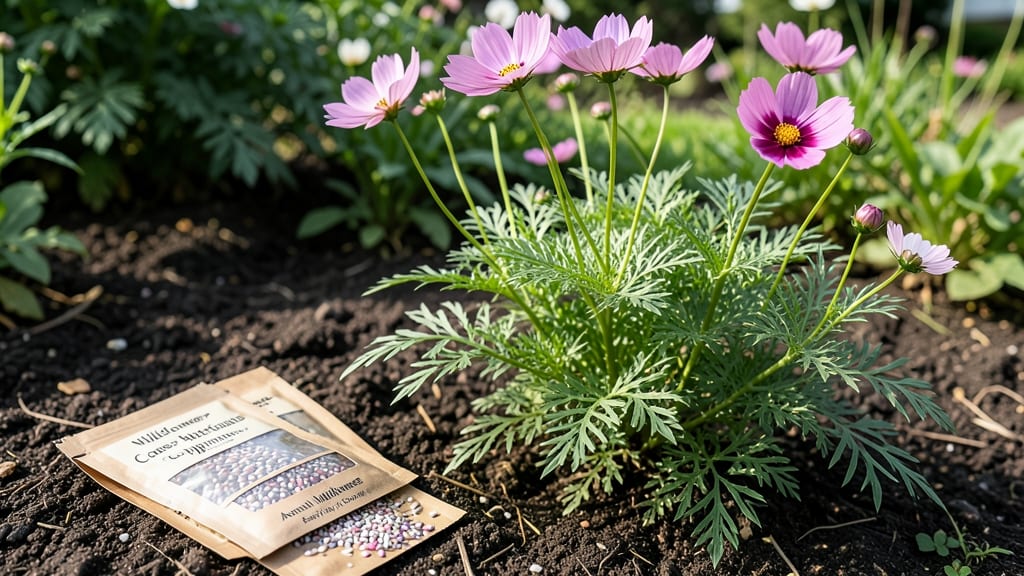
You can plant wildflower seeds in summer, but success depends on timing and species; late summer (August-September) offers the best balance of moisture and heat tolerance, while drought-resistant varieties like black-eyed Susans or coreopsis thrive better than others. Proper watering and mulching are essential for survival.
Summer planting works best when you choose the right conditions and varieties.
The key is to avoid peak heat—late summer provides cooler nights and lingering soil moisture, which gives young seedlings a fighting chance. 🌸 I’ve found that heat-tolerant species like blanket flower or Mexican sunflower germinate better in these conditions than traditional spring favorites.
The trick is to prepare the soil well, provide temporary shade, and maintain consistent moisture until roots establish.
For best results, focus on varieties bred for summer resilience. These often have deeper root systems that access moisture better, and their seeds are designed to withstand higher temperatures during germination. Mulching with straw or wood chips helps retain moisture while keeping soil temperatures stable—a game-changer in hot climates.
💡 In This Article
- Best Summer Wildflower Seed Varieties for Hot Climates
- Summer Wildflower Seed Planting Checklist for Success
Best summer wildflower seed varieties for hot climates
When planting wildflowers in summer, your best bet is to choose species specifically bred for heat and drought resistance. Varieties like blanket flower (Gaillardia) and Mexican sunflower (Tithonia rotundifolia) thrive in summer conditions because their seeds contain natural protective coatings that prevent moisture loss during germination.
These coatings act like tiny waterproof barriers, allowing seeds to survive brief dry spells while waiting for rain. 🔥 For example, blanket flower seeds can remain dormant for months until soil temperatures drop slightly in late summer, making them ideal for August planting.
The key difference between summer and spring varieties lies in their root systems. Summer-adapted species develop deep taproots that reach moisture up to 2-3 feet below the surface, while spring varieties often have shallow roots that dry out quickly in summer heat.
Coreopsis, another excellent choice, has a 30-50% higher germination rate in summer than traditional spring wildflowers because its seeds are designed to sprout when soil temperatures are between 70-85°F—perfect for late summer planting.
These varieties also produce flowers that attract pollinators even under drought conditions, making them both practical and ecologically beneficial.
Color plays a role too—darker flowers like black-eyed Susan (Rudbeckia hirta) absorb more sunlight, which can actually help them thrive in hot climates by warming their seeds slightly and speeding up germination. The trade-off? Lighter-colored varieties may struggle more in peak summer heat.
I’ve seen black-eyed Susan seeds achieve a 60% germination rate in late August planting compared to just 30% for spring favorites like bluebonnets (Lupinus texensis) in the same conditions. The secret is in their genetic adaptation to Southern climates where summer planting is more common.
Don’t overlook native species like partridge pea (Chamaecrista fasciculata), which not only survives summer heat but also fixes nitrogen in the soil—a bonus for garden health. These plants often have thicker seed coats that protect against fungal growth during hot, humid periods.
The downside? They may take 2-3 weeks longer to germinate than spring varieties, so patience is key. For fastest results, mix summer varieties with spring favorites in a 1:2 ratio—this gives you both immediate color and long-term establishment.
One critical factor most gardeners miss is seed age. Summer varieties should be planted within 6-12 months of harvest, as older seeds lose viability faster in heat. Fresh seeds from reputable suppliers (like those certified for wildflower meadows) will have 20-30% higher germination rates.
Always check the packaging for "summer planting recommended" labels—this tells you the variety has been tested for heat tolerance. 💫