
Plants
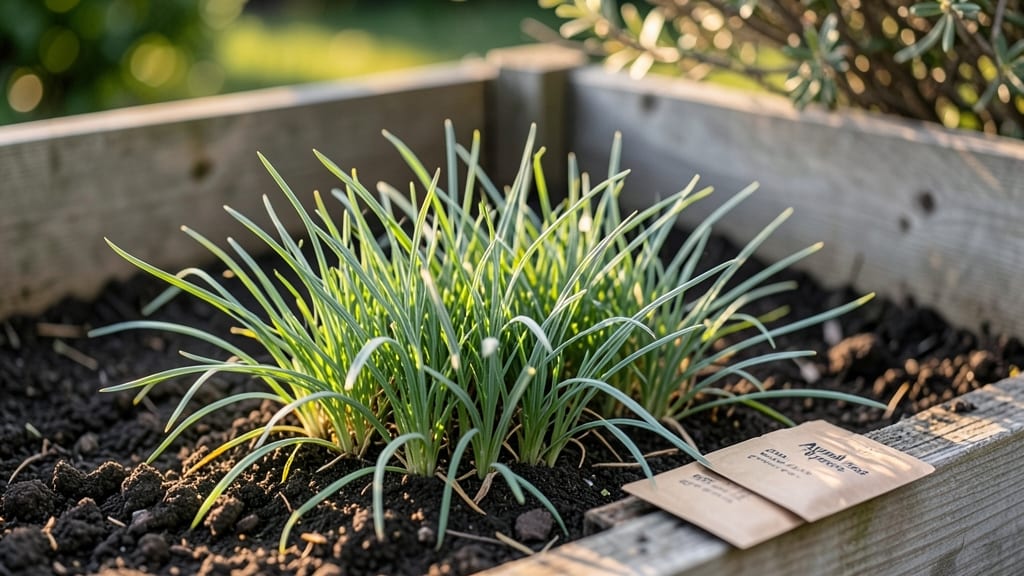
To plant rye grass seed in Texas at the perfect time means avoiding the brutal summer heat or early freezes — aim for late summer to early fall, when temperatures cooperate and roots establish before winter.
Texas gardeners know timing is everything—plant too early, and frost will wipe out tender seedlings; too late, and summer heat stunts growth before it takes hold. But with the right schedule, you can have lush, cold-season coverage that outlasts winter and greens up your lawn by spring.
Your region matters: North Texas (Zone 8a) has a shorter growing window than South Texas (Zone 9b-10b), where mild winters let you plant as late as October. Central Texas (Zones 8b-9a) falls somewhere in between, with frost dates that shift the ideal window by weeks.
Below, I break down the exact months to plant in each Texas zone, how to prep your soil for germination, and whether you’re overseeding an existing lawn or starting fresh. Let’s get that 🌾 growing strong.
Best months to plant rye grass seed in Texas by region
Texas's diverse climate means rye grass seed planting windows vary dramatically from the Panhandle to the Gulf Coast. In North Texas, where winters bring hard frosts, timing is critical to avoid early freezes.
Meanwhile, South Texas gardeners can plant later due to milder winters. Understanding these regional differences ensures your cool-season grass thrives.
Rye grass is a cool-season annual that germinates best when soil temperatures hover between 60°F and 75°F. Planting too early in North Texas risks frost damage, while waiting too long in Central or South Texas can lead to poor establishment before summer heat arrives.
The key is planting 4–6 weeks before first frost for optimal growth.
Texas A&M AgriLife Extension recommends two primary planting windows: late summer/early fall (August–October) and early spring (February–March). However, these windows shift slightly depending on your region. Let’s break it down by zone to ensure you plant at the perfect time for your location.
🌱 Comparison Table: Best Planting Months for Rye Grass Seed in Texas
| Region | USDA Zone | First Frost Date | Ideal Planting Window | Alternative Window |
|---|---|---|---|---|
| North Texas (DFW, Panhandle) | 8a | November 15 | August 15–September 30 | February 15–March 15 |
| Central Texas (Austin, Hill Country) | 8b–9a | December 1 | September 1–October 15 | February 20–March 31 |
| South Texas (Houston, Gulf Coast) | 9b–10b | December 20 | September 15–October 31 | March 1–April 15 |
In North Texas, where Zone 8a winters are harsh, aim to plant rye grass seed between mid-August and late September. This gives seedlings enough time to establish roots before the first frost hits around November 15.
If you miss this window, a spring planting in February is your next best option, though growth may slow as summer heat arrives.
For Central Texas gardeners in Zones 8b–9a, the window extends slightly later due to milder winters. Plant between September 1 and October 15 to ensure your grass has time to germinate and grow before the December 1 frost.
If you’re in the Hill Country, where microclimates can vary, monitor local forecasts—some areas may stay frost-free until January.
South Texas offers the most flexibility, thanks to its Zone 9b–10b climate. You can plant as late as October 31 and still avoid frost, which typically arrives around December 20. For a spring green-up, plant between March 1 and April 15 to take advantage of cooler temperatures before summer heat sets in.
Regardless of your region, avoid planting rye grass seed in summer months (June–August). Soil temperatures often exceed 85°F, which inhibits germination and stresses young seedlings. Instead, focus on fall or early spring for the best results.
Pro tip: Test your soil’s pH (6.0–7.0 ideal) and add compost before planting to improve germination rates.
If you’re overseeding an existing lawn, late summer is ideal because warm-season grasses like Bermuda or Zoysia are entering dormancy, giving rye grass a competitive edge. For new lawns, prepare the soil by tilling 2–3 inches deep and removing weeds.
Water lightly daily after planting to keep seeds moist until germination (about 7–14 days).
Remember, Texas weather is unpredictable. Always check local frost dates and adjust your planting schedule accordingly. With the right timing, your rye grass will provide a lush, green carpet that outlasts winter and prepares your lawn for spring. Happy planting! 🌱
How to choose rye grass varieties for Texas climate Zones
Texas's diverse climate zones—from the Panhandle's harsh winters to the Gulf Coast's mild winters—demand careful selection of rye grass varieties. The wrong choice can mean sparse coverage or poor heat tolerance, while the right one ensures a lush, durable lawn year-round.
Annual ryegrass thrives in cooler months, while perennial types offer longer coverage but may struggle in South Texas heat.
For North Texas (Zone 8a), where winters dip below freezing, perennial ryegrass like 'Marshall' excels with its cold tolerance and quick germination. In Central Texas (Zone 8b-9a), heat-tolerant varieties such as 'Gulf' perform better, balancing summer resilience with winter hardiness.
Meanwhile, South Texas (Zone 9b-10b) gardeners often opt for annual ryegrass, planted in late summer to avoid heat stress.
Annual vs. Perennial Ryegrass for Texas
Annual Ryegrass
- ✅ Fast germination (7–14 days)
- ✅ Heat-tolerant (ideal for South Texas)
- ✅ Low maintenance (dies back in summer)
Perennial Ryegrass
- ✅ Cold-hardy (survives North Texas winters)
- ✅ Longer coverage (stays green longer)
- ✅ Dense growth (better for wear)
Annual Ryegrass
- ❌ Dies in summer (requires reseeding)
- ❌ Less durable (thins under foot traffic)
Perennial Ryegrass
- ❌ Struggles in heat (South Texas may need shade)
- ❌ Slower to establish (2–3 weeks germination)
🌱 Pro Tip: Mix varieties for year-round coverage—plant perennial in fall and annual in late summer.
Seeding rates vary by region and lawn type. For North Texas, use 10–12 lbs per 1,000 sqft of perennial ryegrass for dense coverage.
In Central Texas, reduce to 8–10 lbs per 1,000 sqft to avoid overheating. South Texas gardeners should opt for 6–8 lbs per 1,000 sqft of annual ryegrass, planted in August–September to escape peak summer heat.
Heat-tolerant varieties like 'Marshall' and 'Gulf' are game-changers for Texas lawns. 'Marshall' thrives in North and Central Texas, offering 60% more cold tolerance than standard types. Meanwhile, 'Gulf' is engineered for South Texas's humidity and high temperatures, resisting fungal diseases common in the region.
Always check seed labels for disease resistance and heat ratings.
Overseeding existing lawns? Choose fine-cut varieties like 'Penncross' for a softer texture, or tall fescue blends for durability. Apply seed lightly with a broadcast spreader, then water daily until germination (about 10–14 days).
For new installations, till the soil to 3–4 inches deep and mix in compost to improve drainage—a must in clay-heavy Texas soils.
Don’t overlook shade tolerance. Varieties like 'Reliant' perform well in partial shade, ideal for Austin's Hill Country or Houston's urban yards. Pair with deep-rooted grasses like buffalo grass for a low-water, low-maintenance combo that thrives in Texas's variable climate. 🌿