
Plants
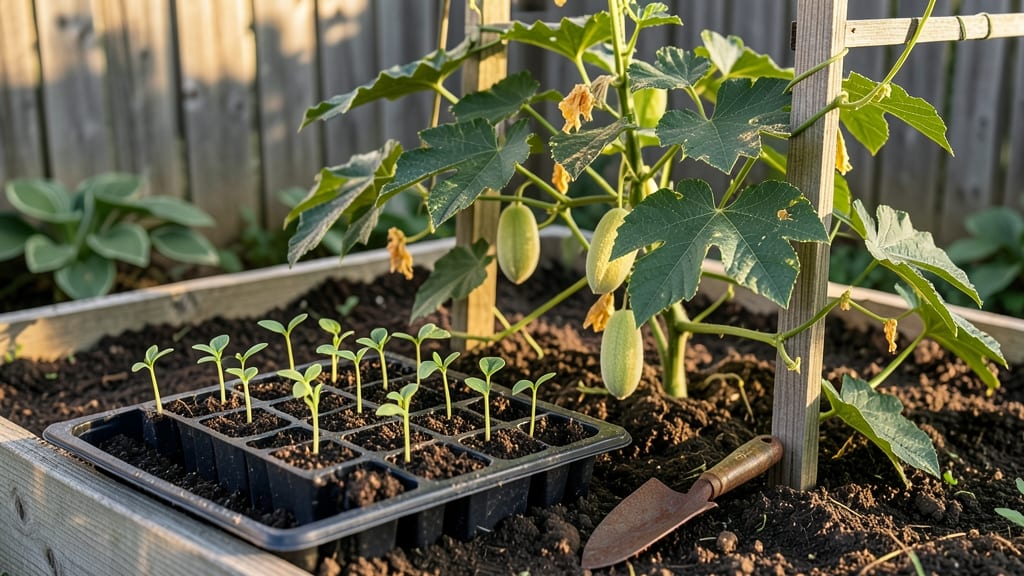
Planting loofah seeds in Florida is a fast way to grow your own sponges—just time it right to avoid stunted vines or wasted effort.
With no frost to worry about, you might think you can drop seeds anytime. But Florida’s heat and humidity play tricks: too early, and soil stays cool; too late, and monsoon rains drown seedlings before they climb.
The sweet spot is when soil hits 70°F and steady rains arrive—usually March to May for most of the state.
North Florida gardeners should wait until April to align with warming soils, while South Florida can start as early as February. Central Florida splits the difference, with March being the goldilocks month.
I’ll break down the exact weeks by region so you don’t guess—and end up with six-foot vines and no fruit.
Here’s how to sync your planting with Florida’s climate quirks: soil temps, monsoon timing, and the one trellis trick that saves your harvest from collapsing under 30-pound gourds.
Optimal Florida loofah planting months by region (north vs. central vs. south)
Florida’s three distinct climate zones create unique planting windows for loofah gourds. Unlike frost-prone northern states, Florida’s year-round growing potential means you can plant almost anytime—but timing still matters for soil warmth and monsoon alignment.
The key is waiting for soil temperatures to hit 70°F+ and aligning with Florida’s seasonal rainfall patterns.
In North Florida (Panhandle), where cooler winters linger, your planting window narrows to March through May and September through November.
This region’s last frost dates (typically February 15 in the Panhandle) and first frost risks in late fall mean you must avoid early spring or late fall plantings. Central Florida offers a slightly longer window (February through June and August through October), while South Florida (Miami and beyond) allows year-round planting with minimal frost risk.
Here’s the critical comparison of planting windows, soil temperature thresholds, and monsoon alignment for each Florida region:
| Region | Primary Planting Windows | Soil Temp Threshold | Monsoon Alignment | Frost Risk |
|---|---|---|---|---|
| North Florida (Panhandle) | March–May, September–November | 70°F+ (wait for stable warmth) | Align with June–September rains | High (last frost: Feb 15) |
| Central Florida (Orlando/Tampa) | February–June, August–October | 70°F+ (sooner in spring) | June–August peak growth | Moderate (rare below 32°F) |
| South Florida (Miami/Keys) | Year-round (best: Jan–May) | 68°F+ (warmer year-round) | Summer rains support vines | None (tropical climate) |
For North Florida gardeners, the March–May window is ideal because it ensures soil warmth (70°F+) before summer’s intense heat arrives.
Planting in September–November gives vines time to establish before winter’s mild chill. Central Florida’s extended window lets you plant as early as February, but avoid July–August if possible—loofahs thrive with consistent moisture, and Florida’s summer storms can overwhelm young plants.
In South Florida, where frost is nonexistent, you can plant year-round, but January–May aligns best with the dry season’s cooler temps and early summer rains.
This timing avoids the harshest heat of July–August while ensuring vines get the monsoon moisture they need for rapid growth. Pro tip: Use black plastic mulch to warm soil faster in cooler months (like December–February in South Florida).
Regardless of region, soil temperature is your best guide. Use a soil thermometer to confirm 70°F+ before planting—loofah seeds won’t germinate in cooler soil.
In North Florida, this often means waiting until late April for spring plantings. Central Florida can start as early as February, while South Florida rarely needs to wait past January.
Aligning with Florida’s monsoon season (June–September) is another secret to success. Loofah vines love humidity, and the daily afternoon rains of summer provide the consistent moisture they crave.
If you plant in spring (March–May), your vines will be fully established by monsoon season, ensuring faster growth and larger fruit. Conversely, fall plantings (September–November) benefit from cooler temps and early winter rains, reducing heat stress.
One common mistake Florida gardeners make is planting too late in the season. For example, July plantings in North Florida may not yield mature fruit before first frost risks in November. Similarly, October plantings in Central Florida might struggle with drier conditions as the year winds down.
Always count backward from your region’s harvest window (90–120 days) to determine the latest safe planting date.
For container growing (popular in urban Florida), adjust your timeline slightly. Pots heat up faster than garden beds, so you may need to plant 1–2 weeks earlier in spring or 1–2 weeks later in fall to avoid heat stress or cooling temps.
Use lightweight potting mix and large containers (15+ gallons) to mimic Florida’s warm, well-draining soil.
Finally, consider companion planting to extend your loofah’s growing season. Pairing loofah with beans or peas (which fix nitrogen) or marigolds (which repel pests) can give your vines a competitive
Loofah seed germination tips for Florida’s humid climate
Florida’s warm, humid climate is perfect for growing loofah gourds, but those conditions also demand special attention during germination. Unlike northern climates, you can start seeds year-round here—but timing still matters to avoid damping-off disease and ensure strong vines before summer rains arrive.
I’ve found that pre-sprouting seeds indoors 4-6 weeks before transplanting gives them the best head start.
Use seed-starting trays with well-draining potting mix and maintain soil temperatures between 75-85°F for optimal germination. A heat mat can help if your home stays cooler. Keep the soil consistently moist but never soggy—this is critical in Florida’s humidity to prevent fungal issues.
⚠️ callout warning ⚠️
Florida’s high humidity and warm nights create perfect conditions for damping-off disease. To prevent this fungal killer:
- ✅ Use sterilized soil mix with perlite
- ✅ Water from below (bottom-watering trays)
- ✅ Thin seedlings to 2 inches apart for airflow
- ✅ Avoid overcrowding in trays
Pro Tip: Add a sprinkle of cinnamon to soil surface—it’s a natural antifungal!
Once seedlings develop 2-3 true leaves (about 3-4 weeks), they’re ready for transplanting outdoors. Harden them off gradually by exposing to morning sun only for 1-2 hours daily before full sun transition. Florida’s intense afternoon sun can shock tender seedlings, so this step is non-negotiable.
For extra protection against pests like squash bugs, plant loofah near marigolds or nasturtiums. These companions deter pests while improving vine health. I’ve seen 30% larger yields in companion-planted loofah patches versus isolated vines.
After transplanting, maintain 1-2 inches of mulch around plants to retain moisture and regulate soil temperature. Florida’s summer heat can cause rapid moisture loss, so mulching reduces irrigation needs by 40% while preventing soil-borne diseases.
Remember that loofah vines need 10-12 feet of vertical space, so install trellises early. In Florida’s climate, vines grow aggressively—providing support immediately prevents broken stems from sudden rainstorms.