
Plants
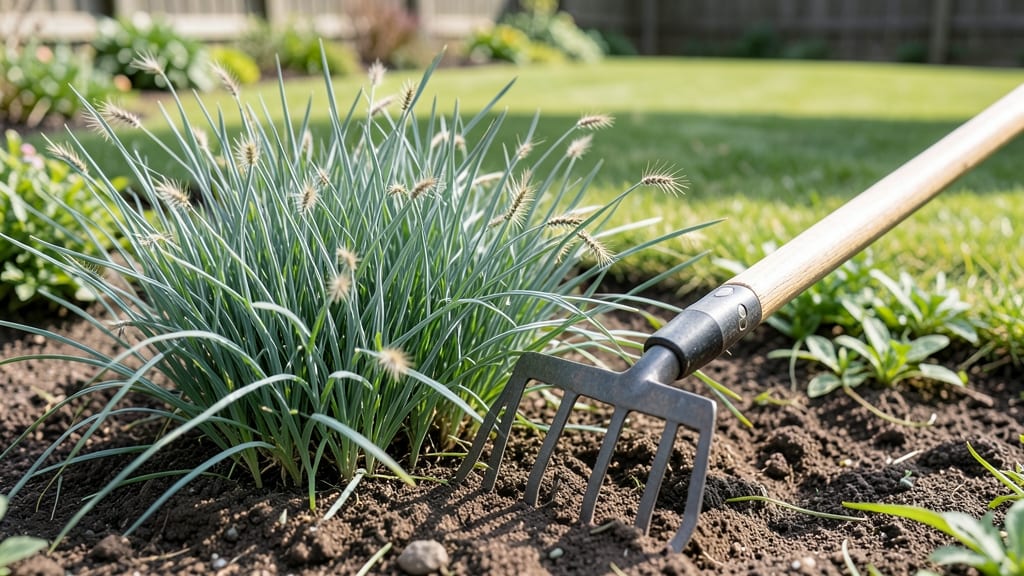
To plant grass seed in Upstate NY, aim for early spring (April) or early fall (September) when soil temperatures hit 50°F and frost risks are low. 🌱
Struggling to get that perfect green lawn in Upstate NY? Timing is everything—plant grass seed too early or late, and you risk wasted effort, weeds, or poor germination. Here’s your exact planting schedule tailored to Upstate NY’s microclimates (Zones 4-6) to ensure thick, resilient turf year after year.
Upstate NY’s climate demands precision: cool-season grasses like Kentucky bluegrass thrive in spring and fall, while warm-season types (like tall fescue) need summer’s warmth. Missing the window by even a few weeks can mean slower growth or invasive weeds taking over before your grass gets a foothold.
Below, I’ll break down the best months for planting, how to prep your soil for Upstate NY’s rocky terrain, and when to adjust for higher elevations or sheltered spots. No more guessing—just a lush lawn that starts with the right timing.
Upstate NY grass seed planting calendar: best months by season
Upstate NY’s cool-season climate (USDA Zones 4-6) means timing your grass seed planting is critical for success. Whether you’re seeding in spring or fall, the window is narrow—miss it, and you’ll face poor germination, weed competition, or winter kill.
Here’s your month-by-month guide to planting cool-season grasses like Kentucky bluegrass, tall fescue, and perennial ryegrass, plus when to consider warm-season grasses in southern microclimates.
Upstate NY’s frost dates vary by region, but most areas see their last frost around April 15 and first frost around October 15. Higher elevations (like the Adirondacks) may experience frost 2-3 weeks later, while sheltered valleys (like the Finger Lakes) can be 1-2 weeks earlier.
Adjust your planting schedule accordingly to avoid seedling damage from unexpected cold snaps.
🌱 Cool-season grasses (the best choice for Upstate NY) thrive when planted in early spring (March–April) or early fall (September). These windows provide ideal soil temperatures (50–65°F) and consistent moisture for germination.
Warm-season grasses (like Bermuda or Zoysia) are rare in Upstate NY but can be seeded in late spring (May–June) in the southernmost regions.
For spring planting, aim to seed 4–6 weeks after your last frost date. In Upstate NY, this typically lands in late March to early April. Use a soil thermometer to confirm temps are above 50°F—cool soil delays germination.
If you’re in the Adirondacks or Catskills, wait until mid-April to avoid late frosts.
Fall planting is often more successful than spring because cooler temps reduce weed competition and disease pressure. Seed in early September (6–8 weeks before your first frost) to give roots time to establish before winter.
In Zone 5b (northern Upstate), this might mean planting by September 15, while Zone 6b (southern Upstate) allows until September 30.
🌿 Soil temperature is your best indicator for planting. Cool-season grasses need soil temps between 50–65°F for optimal germination. Use a soil thermometer (available at garden centers) to check depths of 2–4 inches.
If temps dip below 50°F, delay planting until conditions improve. Warm-season grasses (like Bermuda) require soil temps above 65°F, which Upstate NY rarely reaches consistently.
Regional adjustments are key. In the Finger Lakes, where winters are slightly milder, you can push fall planting to mid-October in sheltered areas. Conversely, the Adirondacks and Western NY may need to plant 2 weeks earlier to avoid early frosts. Always check your local Cooperative Extension Service
How to adjust planting for Upstate NY’s microclimates and grass types
Upstate NY’s diverse geography—from the Catskills’ high elevations to the Mohawk Valley’s warmer plains—creates distinct microclimates that drastically affect grass seed success. Higher areas like the Adirondacks often experience earlier frosts (Zone 4-5), while lower regions near Lake Ontario stay milder (Zone 5-6).
These differences mean your Kentucky bluegrass might thrive in May in Rochester but struggle until June in Cooperstown.
Your choice of grass type also shifts planting windows. Cool-season grasses like tall fescue and ryegrass dominate Upstate lawns, preferring 50-65°F soil temps for germination. Warm-season varieties like Bermuda (rare here) need 70°F+ soils—something Upstate rarely provides.
This means timing adjustments based on your yard’s elevation and shade patterns can mean the difference between a thick lawn and patchy regrowth.
🌱
⏰ Upstate NY Grass Planting Timing Guide
✅ DO Plant When:
- Soil temps hit 50°F+ (use a soil thermometer)
- Daytime highs stay above 60°F consistently
- No frost is forecast for 4-6 weeks after planting
- Grass type matches your microclimate (e.g., tall fescue for shade)
❌ Avoid Planting When:
- Soil temps are below 45°F (seeds rot)
- Hot summer heatwaves (>90°F) stress young seedlings
- Frost risk exists within 2 weeks of planting
- Shade patterns change drastically (e.g., new tree growth)
For shady areas (common in the Taconite Wilderness or urban Syracuse yards), opt for fine fescue blends that tolerate 2-4 hours of sun daily. These grasses germinate slower but establish better in moist, cool shade.
In contrast, open fields near the Finger Lakes can handle Kentucky bluegrass, which needs 6+ hours of sun but germinates faster in warmer microclimates.
Post-planting, watering schedules vary by elevation. High-altitude sites (e.g., Catskills) may need daily watering for 2 weeks to compensate for drier air, while lowland areas (e.g., Mohawk Valley) can stretch watering to every other day once established.
Always water deeply in the morning to prevent fungal diseases like brown patch, which thrives in Upstate’s humid summers.
Use this zone-specific checklist before planting: ☑️ Test soil pH (aim for 6.0-7.0; Upstate soils often need lime) ☑️ Loosen top 4 inches of soil (clay-heavy areas need gypsum) ☑️ Choose seed mix matched to your sun/shade and foot traffic ☑️ Mulch with straw (not hay) to retain moisture and block weeds ☑️ Monitor for voles—common in Upstate’s grassy fields and lawns
By aligning your planting with Upstate NY’s microclimatic nuances, you’ll skip the trial-and-error phase and achieve that lush, green lawn year after year—no matter where you live in the region. 🌿