
Planting
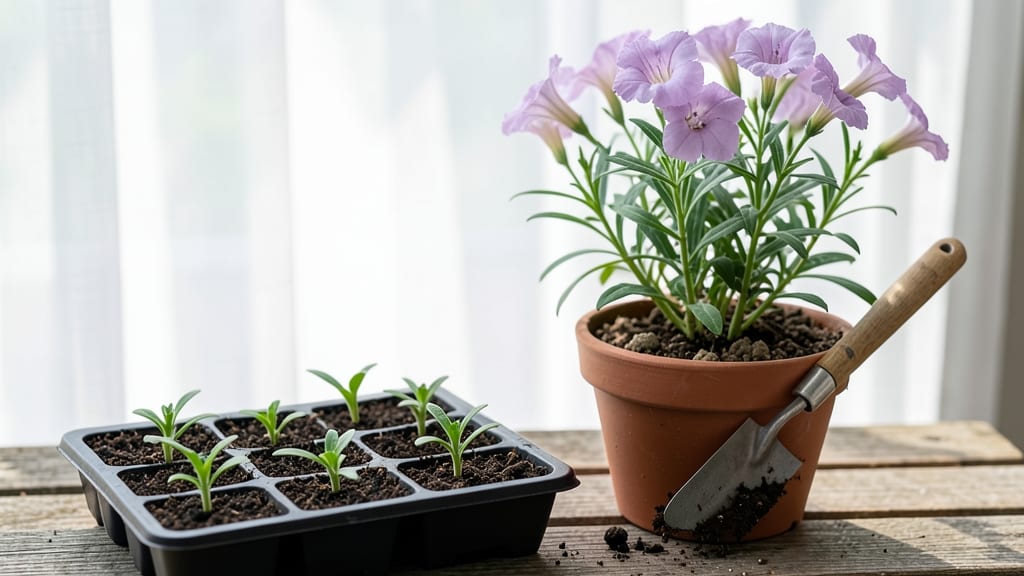
Planting Eustoma seeds indoors at the right time ensures stunning 🌸 blooms that last from July through October — and missing that window can leave you with leggy seedlings or no flowers at all.
Struggling to get your Eustoma seeds to bloom on time? Timing is everything—plant too early, and you’ll waste resources; too late, and your flowers may never reach their full potential. Mastering the perfect indoor planting schedule ensures vibrant, long-lasting blooms that steal the show in your garden.
For USDA Zone 6a (like much of the Midwest), start seeds indoors between February and March, about 10-12 weeks before your last frost date. This gives your Eustoma enough time to grow strong roots and sturdy stems before transplanting outdoors in April or May.
Below, I’ll break down the exact planting timeline for your zone, how to adjust for early or late frosts, and the 3 biggest mistakes that keep Eustoma from blooming—so you can finally enjoy those dreamy 🌸 flowers without the guesswork.
Zone-specific indoor planting dates for eustoma seeds
Eustoma, also known as Lisianthus, thrives when planted at the right time. Since it’s sensitive to cold temperatures, starting seeds indoors ensures strong seedlings ready for outdoor transplanting after frost danger passes. Your USDA hardiness zone determines the perfect indoor sowing window to maximize blooms by summer.
Eustoma seeds take 14-21 days to germinate and need 8-10 weeks indoors before transplanting. This means you’ll need to start seeds 3-4 months before your last frost date.
For example, in Zone 6, where frost typically ends around April 15, I start seeds in early January to ensure blooms by summer.
Here’s how to calculate your exact planting window using your zone and local frost data:
For Zones 3-4, where frost lingers late, I recommend starting seeds no later than March 1 to avoid stunted growth from cool soil temperatures. In Zones 5-6, I begin sowing in mid-January to give seedlings enough time to mature before the last frost date of April 15.
In warmer zones like 7-8, you can start seeds as early as December 15 or even later if you’re using a grow light setup. For Zones 9-11, frost isn’t a concern, so you can sow seeds anytime, even in fall or winter, for continuous blooms.
Always check your local frost dates—they can vary by 1-2 weeks even within the same zone. For example, a Zone 6 garden in Colorado might have a later frost date than one in Ohio. Use the National Weather Service or a garden planning app to fine-tune your schedule.
Once seedlings reach 3-4 inches tall and have 4-6 true leaves, they’re ready for hardening off (7-10 days of outdoor acclimation). Transplant after soil temperatures hit 60°F consistently. In Zones 3-4, this might not happen until late May, so don’t rush!
Pro tip: Use seed heat mats to speed up germination, especially in cool zones. Eustoma seeds germinate best at 70-75°F, so maintaining this temperature indoors ensures faster, more reliable sprouting.
Timing your eustoma planting right means longer vase life and more abundant blooms. Follow your zone’s guidelines, and you’ll enjoy show-stopping flowers from summer through fall. Happy planting! 🌸
How to calculate your exact planting window for eustoma flowers
Calculating the perfect planting window for eustoma seeds ensures your delicate Lisianthus blooms appear on time. Since eustomas thrive in warm weather but need 8-10 weeks indoors before transplanting, timing is critical. Start by finding your last frost date—this is your anchor point for all calculations.
For example, if your last frost is May 1st, you’ll need to begin sowing seeds indoors by February 15th to avoid late-season blooms.
Next, account for seed germination time, which typically takes 14-21 days under ideal conditions (warmth and moisture). Don’t rush this stage—eustoma seeds are slow to sprout, and patience here prevents weak seedlings.
After germination, your seedlings will need 8-10 weeks of indoor care before they’re hardy enough for outdoor planting. This means if you’re in USDA Zone 7, where last frost is around April 15th, you should start seeds by February 1st.
🌱 Your Eustoma Planting Timeline
- 📅 Step 1: Find your last frost date (check local USDA zone or weather service).
- 📅 Step 2: Subtract 8-10 weeks from your last frost date to determine indoor sowing time.
- ⏳ Step 3: Add 14-21 days for germination to your sowing date for seedling emergence.
- 🌱 Step 4: Plan hardening off (7-10 days) 2 weeks before transplanting.
- 🌿 Step 5: Transplant seedlings after last frost when soil is at least 60°F.
💡 Pro Tip: Use a customizable planting calendar to track each stage visually.
To make this easier, create a planting timeline template using a spreadsheet or calendar app. List your last frost date, then work backward: subtract 8-10 weeks for indoor growth, then add 3 weeks for germination.
For example, if your last frost is April 30th, your template should show February 15th as your sowing deadline. This method works for USDA Zones 6-9, but adjust for earlier zones by starting seeds 4-6 weeks earlier.
Don’t forget to account for local microclimates, which can shift your frost dates by 1-2 weeks. If you live in a valley or low-lying area, frost may linger longer, so err on the side of earlier sowing.
Conversely, urban areas with heat islands may allow slightly later planting. Always verify your frost dates with a reliable weather source like the National Weather Service or Old Farmer’s Almanac.
Once you’ve nailed down your planting window, set reminders for key milestones: sowing date, germination, transplanting, and hardening off. Use a seedling heat mat to speed up germination if your home runs cool.
And remember, consistent moisture is key—eustoma seeds need even soil moisture to avoid mold or rot. With this precise timing, your eustoma flowers will bloom right on schedule, adding a splash of color to your garden.
For extra precision, label your seed trays with the sowing date and transplant date to avoid confusion. This simple habit helps you track progress and adjust care as needed. Happy planting—your future eustoma blooms will thank you! 🌸