
Planting
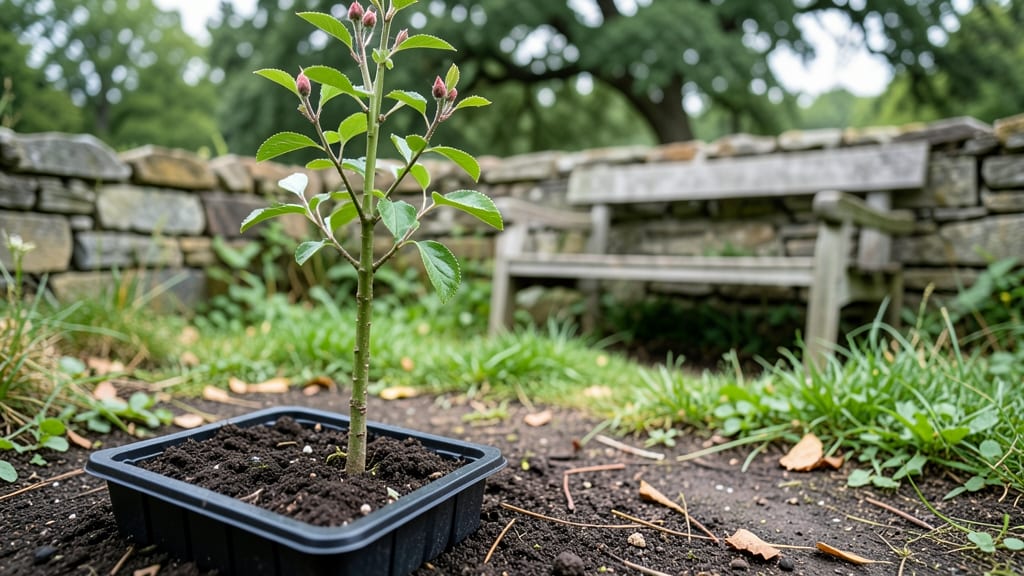
The best time to plant apple seeds is after a 3-month cold treatment—mimicking winter’s chill to break dormancy and trigger germination.
Picture this: you’ve collected seeds from your favorite apple, but planting them straight into the soil in spring leaves you staring at empty pots for months. Without that cold stratification step, many seeds simply won’t wake up. That’s why timing—and a little patience—is everything.
In Zone 6, the ideal window starts in late winter (February) after seeds have spent 90 days in a damp, cold environment. Skip this step, and you’re gambling with your seedlings’ survival.
Below, I’ll walk you through the exact chilling process, regional adjustments, and what to expect once those first sprouts appear.
Ready to grow a 🍎 tree from seed? You’ll learn how to maximize germination rates, avoid common pitfalls, and set your young apple tree up for long-term success—no nursery shortcuts required.
Best planting time for apple seeds: months, climate zones, and chilling requirements
Timing is everything when planting apple seeds—and skipping the 3-month cold treatment (called stratification) is the fastest way to failure. Unlike store-bought saplings, seeds need this winter-like chill to break dormancy.
I’ve learned the hard way that planting too early or without proper chilling results in seeds that either rot or never sprout. Let’s break down the perfect planting window based on your USDA climate zone and regional quirks.
The ideal planting season for apple seeds is late winter to early spring, but the magic happens before you even stick seeds in the ground. This period—typically February to March in most temperate zones—aligns with nature’s rhythm.
In USDA Zones 5-8, where frost is a regular guest, seeds need 120-180 days of cold to mimic a real winter. If you’re in Zone 9 or 10, you’ll need to replicate this chill artificially, or your seeds may never wake up.
Here’s the non-negotiable timeline I follow: Start stratifying seeds in November (or as close to winter as possible) and plant them outdoors 2-4 weeks after your last frost date. For example, in Zone 6, that’s usually mid-April.
In warmer Zone 9, you might need to stratify in October and plant in January to avoid summer heat stress. The key is matching your local frost-free period with the seed’s dormancy cycle.
If you’re in a tropical climate (Zones 9-10), nature won’t provide the chill, so you’ll need to mimic winter conditions using your refrigerator or a cold frame.
I’ve had success with the wet stratification method: wrap seeds in a damp paper towel, place them in a sealed bag, and store them at 35-40°F (2-4°C) for 3 months. This tricks the seed into thinking it’s winter, breaking dormancy just in time for planting.
Skip this step, and you’ll likely end up with rotten seeds or no germination at all.
One common mistake I see is planting apple seeds directly in fall without stratification. While some gardeners swear by this, it only works in Zone 3 or colder, where the ground freezes naturally.
In warmer zones, fall-planted seeds will either sprout too early (and get fried by frost) or rot over winter. Always chill first, then plant in spring for the best results.
Think of it like putting your seeds to "sleep" in a cold, dark place—they’ll wake up refreshed and ready to grow.
Your local frost dates are your best friend when planning. Check your USDA zone and find your average last frost date (use resources like the National Oceanic and Atmospheric Administration (NOAA) or local extension services).
For example, in Zone 7, I aim to plant 4-6 weeks after the last frost, usually by mid-March. In Zone 4, I wait until late May to avoid late spring frosts that could kill young seedlings.
Pro tip: Mark your calendar with 3 reminders—one for stratification start, one for planting prep, and one for the actual planting day.
For container gardening, the rules are slightly different. Since pots can’t handle frost, I stratify seeds in January
How to stratify apple seeds for maximum germination: step-by-step cold treatment guide
Apple seeds need a 3-month cold treatment to break dormancy, mimicking winter conditions. Without stratification, your seeds may never sprout—or take years to grow. This process tricks nature into thinking winter has passed, signaling seeds to germinate when planted in spring.
Let’s break down the two most effective methods: wet and dry stratification, plus DIY setups to do it at home.
Wet stratification works best for fresh apple seeds (harvested within 6 months). Soak seeds in water for 24 hours to soften the seed coat, then place them in a damp medium like peat moss or a paper towel.
Dry stratification, on the other hand, is ideal for older seeds or if you prefer minimal moisture. Both methods require patience, but the results—faster, stronger seedlings—are worth it.
- 1 Clean and prepare seeds: Rinse apple seeds in water to remove pulp, then let them dry for 24 hours. Remove any damaged or shriveled seeds—they won’t germinate.
- 2 Wet stratification (recommended): Place seeds between damp paper towels or in a container with moist peat moss. Keep them in a sealed plastic bag with small air holes. Store in your refrigerator (34–40°F) for 8–12 weeks.
- 3 Dry stratification (alternative): Mix seeds with slightly damp sand or vermiculite (not soggy). Store in a sealed container in the fridge for 3–4 months. Check moisture weekly—seeds should feel damp but not wet.
- 4 Monitor moisture levels: Open the container weekly to check for mold or dryness. If mold appears, discard the batch. If dry, mist with water (for wet stratification) or add a drop of water (for dry). Consistency is key!
- 5 Test for viability: After 6 weeks, place a few seeds in a warm spot (70°F) to see if they sprout. If they don’t, return them to cold treatment for another 2–4 weeks. Viable seeds will sprout within 1–2 weeks of warm conditions.
- 6 Plant after stratification: Once seeds sprout or after 12 weeks of cold treatment, plant them ½ inch deep in well-draining soil. Keep soil moist but not waterlogged until seedlings emerge (typically 2–4 weeks).
Avoid these common mistakes: over-chilling (more than 12 weeks kills seeds), uneven moisture (mold or dry seeds), or using old seeds (viability drops after 1 year). If your seeds feel slimy or smell foul, toss them—they’ve gone bad.
With the right balance of moisture, time, and temperature, your apple seeds will be ready to sprout like clockwork when spring arrives.
Pro tip: Label your containers with the start date and stratification method. This helps track progress and ensures you don’t forget about them in the fridge! Once your seeds complete their cold treatment, they’ll be eager to grow—just like a baby tree waiting for its chance to shine.
🌱