
Plants
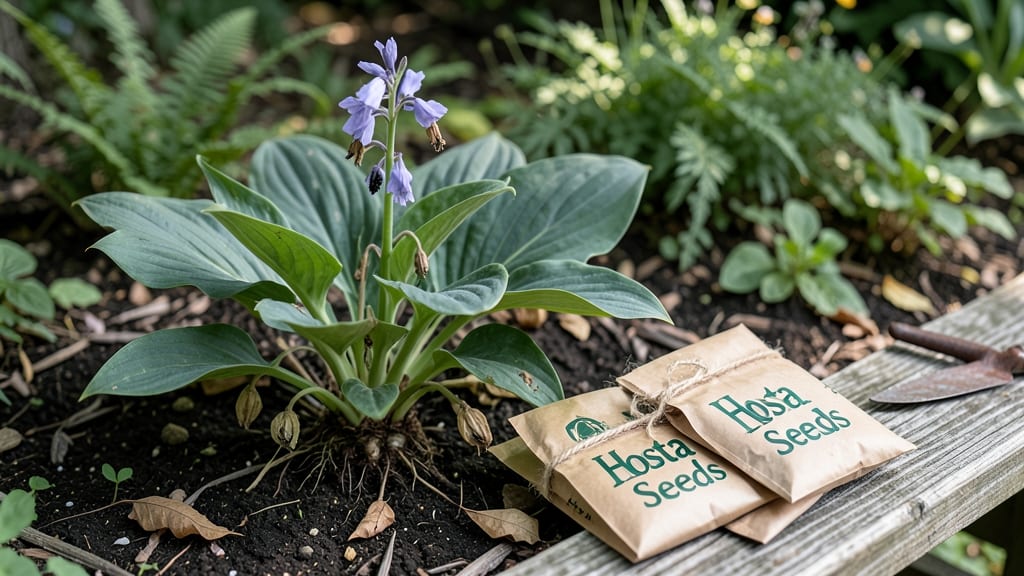
You’ll want to know when are hostos seeds good to plant—they thrive when soil temperatures hit 60°F or warmer, usually in late spring after the last frost, around March to April in most zones.
Picture this: you’ve waited all winter for your garden to wake up, and now you’re itching to get those Hostos seeds in the ground. But rush too soon, and a late frost could wipe out your tender seedlings.
Too late, and the summer heat might stress them before they even take root.
Timing isn’t just about the calendar—it’s about your local climate, soil conditions, and even the variety of Hostos you’re growing. In colder regions like USDA Zone 6a, aim for early April, while warmer zones can start as early as February.
Below, I’ll break down the exact windows for your area, plus soil prep tips to set your plants up for success.
You’ll learn how to read your soil’s readiness, adjust for early or late varieties, and avoid the three biggest mistakes that kill Hostos seedlings before they sprout. Let’s get those 🌿 Hostas thriving!
Best planting months for Hostos seeds by USDA climate Zone
Hostos seeds thrive in cool spring soil but wilt under late-summer heat. The ideal planting window varies dramatically by USDA climate zone, with frost dates and soil temperature dictating success.
In Zone 3-5, wait until after the last frost—typically late April to early May—while Zones 7-10 can plant as early as February for a head start. Let’s break down the perfect timing for your region.
Soil temperature is your most critical factor. Hostos seeds need 50-65°F soil to germinate. Use a soil thermometer to confirm readiness—cold soil delays sprouting, while warmer-than-70°F can cause seed rot.
In northern zones, aim for early spring when daytime highs reach 60°F consistently. Southern gardeners should plant late winter to avoid summer dormancy.
Regional variations matter. Coastal areas with mild winters (e.g., Zone 8-9) can plant January-February, while inland zones with harsh winters (e.g., Zone 4-5) should wait until May. High-altitude gardens may need to adjust by 2-4 weeks later due to cooler microclimates. Always check your local frost dates—a late freeze can devastate young seedlings.
Here’s your zone-by-zone planting guide, including soil prep tips and frost-risk warnings:
| USDA Zone | Ideal Planting Month | Soil Temp Requirement | Frost Risk | Pro Tip |
|---|---|---|---|---|
| Zones 3-4 | Late April–Early May | 50–60°F | High (last frost: May 10) | Use row covers for early starts. |
| Zones 5-6 | Mid-April–Mid-May | 55–65°F | Moderate (last frost: April 15) | Plant after lilacs bloom to gauge frost risk. |
| Zones 7-8 | February–March | 60–70°F | Low (last frost: March 1) | Start indoors in Zone 7 for earlier blooms. |
| Zones 9-10 | January–February | 65–75°F | None (year-round growing) | Avoid midday sun in summer. |
For Zone 3-4 gardeners, late April is non-negotiable—planting earlier risks frost damage to tender seedlings. Prep beds by amending soil with compost 2 weeks before planting to warm the earth faster.
In Zones 5-6, aim for mid-April when soil reaches 55°F. Use a black plastic mulch to accelerate warming if needed.
Southern zones (7-10) offer flexibility. Plant January-February for spring blooms, but avoid summer heat by choosing heat-tolerant varieties like ‘Halcyon’ or ‘Francee’. In Zone 10, you can even plant year-round, but avoid peak summer (June-August) when roots struggle to establish.
Always water deeply after planting to settle soil around seeds.
Adjust for microclimates. A north-facing slope stays cooler—plant 2 weeks earlier—while a south-facing bed warms faster, so delay by 1-2 weeks. Container gardeners in Zone 5+ can start seeds indoors in March using grow lights and transplant after frost.
Harden off seedlings by gradually exposing them to outdoor temps over 7–10 days.
Post-planting care is half the battle. Keep soil consistently moist (not soggy) for 4-6 weeks to encourage root growth. Mulch with 2 inches of straw to retain moisture and suppress weeds.
In drought-prone zones, drip irrigation is your best friend—avoid overhead watering, which can spread fungal diseases.
Watch for pests early. Slugs and snails love young Hostos seedlings. Set up beer traps or use copper barriers in shady, humid zones. Deer may nibble in rural areas—apply deer repellent or plant near unpalatable companions like lavender or Russian sage.
With the right timing, your Hostos seeds will reward you with bold foliage and low-maintenance beauty. Bookmark this guide, check your local frost dates, and get ready
How to adjust planting time for early vs. late varieties
Hostos seeds come in three distinct varieties: early, mid, and late-season. Each type thrives under different conditions, and planting them at the wrong time can lead to bolting, stunted growth, or even death.
Early varieties, like 'Blue Angel', need cooler soil to germinate, while late varieties, such as 'Halcyon', tolerate warmer temperatures and longer daylight hours.
Matching your variety type to your local climate zone is key. For example, in USDA Zone 5, early varieties should go in the ground by late April, while late varieties can wait until mid-May.
In warmer climates like Zone 8, early varieties might need fall planting to avoid summer heat stress.
Early Varieties
- Germinates faster in cooler soil
- Less risk of bolting in heat
- Ideal for spring planting in colder zones
- Susceptible to late frost damage
- Requires earlier soil prep
- May overwinter poorly in mild climates
Mid Varieties
- Adapts to moderate temperatures
- Good for transitional zones (e.g., Zone 6-7)
- Balanced growth cycle
- Less heat tolerance than late varieties
- Requires precise timing
- May bolt prematurely if stressed
Late Varieties
- Thrives in warmer soil
- Tolerates longer daylight
- Better for summer planting
- Slower initial growth
- Risk of heat stress if planted too late
- May not mature fully in short seasons
To adjust planting time, start by checking your last frost date. For early varieties, aim to plant 4-6 weeks before your last frost, while late varieties can go in 2-3 weeks after.
Use a soil thermometer to confirm temperatures: early varieties need 50-60°F soil, while late varieties prefer 65-75°F.
For container gardening, early varieties can start indoors 6-8 weeks before the last frost, while late varieties may not need indoor starts. Always harden off seedlings for 7-10 days before transplanting to avoid shock.
In tropical climates, late varieties planted in fall often perform best, avoiding summer's intense heat.
Finally, monitor your plants for stress signs like yellowing leaves or stunted growth. These may indicate wrong planting timing or environmental mismatches. Adjust watering or shading as needed to help your Hostos thrive in their specific seasonal window. 🌿