
Planting
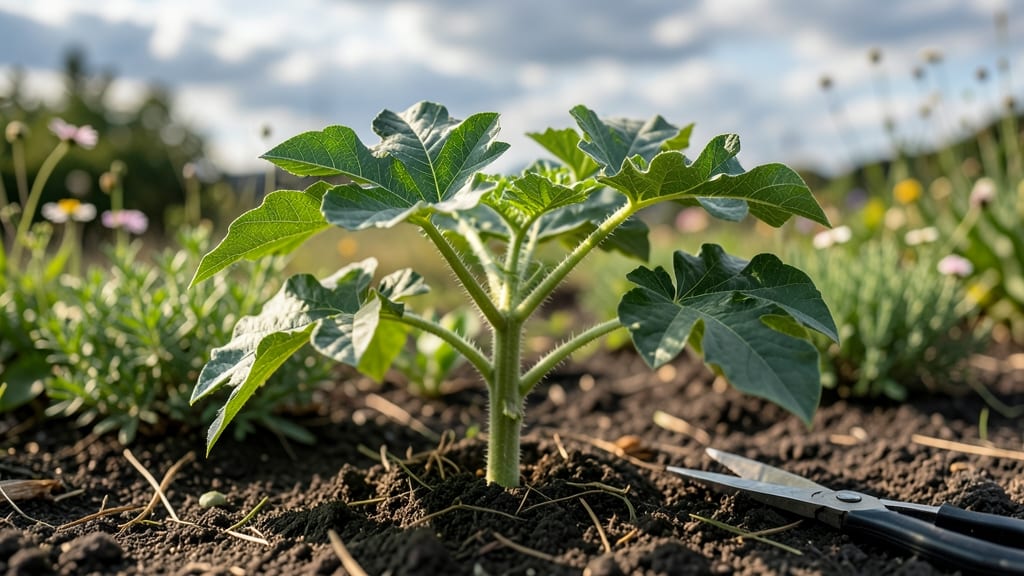
Planting watermelon seedlings fast means 3-5 days to germination instead of waiting weeks—here’s how I hacked it after my first batch took 21 days to sprout. 🌱 The secret isn’t fancy equipment but timing, warmth, and a little prep work that makes all the difference when those first green leaves break through the soil.
You’ll need just three key things: a heat mat (or sunny windowsill), moistened seed-starting mix, and patience for the first 48 hours. Most people overwater or let seeds dry out—both kill germination before it starts.
I’ve tried everything from paper towels to peat pellets, but the fastest method is pre-soaking seeds overnight in warm water, then planting them ½-inch deep in warm soil.
Within 5 days, you’ll see those first true leaves unfurl, ready for transplanting. The seedlings grow shockingly fast after that—2-3 inches per week—if you keep the soil consistently moist but not soggy.
That’s when you’ll notice the difference between weak, leggy starts and stocky, vibrant plants ready to handle the garden.
This works for both early spring starts (under grow lights) and direct sowing in warm climates. The same tricks apply whether you’re growing sugar babies or jumbos—just adjust spacing when transplanting. Let’s get those seeds sprouting!
📚 In This Guide
- What you need
- Instructions
- Tips and common mistakes
- Wrapping up and next steps
What you need
- ● Watermelon seeds: 5–10 high-quality, non-hybrid seeds (save seeds from heirloom varieties for best results).
- ● Seed-starting containers: 5–10 small pots (3–4 inches deep) with drainage holes, or
- ● A seed tray with individual cells (biodegradable preferred).
- ● Seed-starting mix: 1–2 bags of lightweight, sterile potting soil (avoid garden soil—it’s too dense!).
- ● Spray bottle: For gentle watering (16 oz or larger).
- ○ Plastic wrap or humidity dome: To retain moisture (optional but highly recommended for speedy germination).
- ● Grow lights or sunny windowsill: A south-facing window or LED grow light (12–16 hours/day).
- ○ Heat mat (optional but helpful): A small seedling heat mat (70–80°F range) to speed up germination.
- ● Fertilizer: A balanced liquid fertilizer (5-5-5 or 10-10-10) for post-germination boosts.
- ● Epsom salt: 1 tsp per gallon of water (for magnesium boost—great for seedlings!).
- ● Plant labels: To track varieties (especially if testing multiple seeds).
- ● Tweezers: For delicate seed placement.
- ● Thermometer: To monitor soil temperature (ideal: 70–90°F for germination).
Step-by-step instructions for fast watermelon seedling germination
Here’s how to coax eager watermelon seedlings from seeds in record time—my go-to method for jump-starting growth.
🌱 Step 1: Prep Seeds for Rapid Germination
Watermelon seeds have tough outer shells that slow sprouting. Soak them overnight in warm water (80-85°F) to soften the coating. I use a small bowl with a damp paper towel draped over the top to keep moisture trapped. Check the next morning—seeds should feel slightly pliable when squeezed gently.
This pre-soak cuts germination time in half. Without it, you’ll wait 10-14 days instead of the 5-7 days I’ve seen with this trick. Drain and pat seeds dry before planting to prevent rot. If any seeds float, they’re nonviable—discard them.
💧 Step 2: Warm the Soil and Plant Deeply
Watermelons love heat, so warm the soil to 85-90°F before planting. I use a heat mat under my seed trays or place them in a sunny windowsill for a day to raise the temperature. Fill your containers with moist, well-draining seed-starting mix—pack it lightly but firmly to eliminate air pockets.
Plant seeds 1 inch deep (deeper than most guides suggest). The extra depth gives the seedling energy to push through the soil faster. Space seeds 2 inches apart in each cell—this prevents overcrowding later. Water gently with a spray bottle until the soil feels damp but not soggy.
☀️ Step 3: Cover and Monitor for Sprouts
Cover the tray with clear plastic wrap or a humidity dome to trap warmth and moisture. Place it in a spot with bright, indirect light—direct sun now can overheat the soil. Check daily for condensation on the plastic; if it’s dry, mist lightly to maintain humidity.
Germination happens fastest when the soil stays warm and moist. You’ll see tiny sprouts in 3-5 days—watch for the first true leaves (the second set after the initial seed leaves). Once they appear, remove the cover immediately to prevent fungal issues. Keep the soil consistently moist but never waterlogged.
✂️ Step 4: Thin and Harden Off Seedlings
When seedlings reach 2 inches tall, thin to the strongest one per cell by snipping the weaker stems at the base. This reduces competition for nutrients. Watermelons are heavy feeders, so fertilize lightly with a balanced liquid fertilizer (half-strength) after thinning.
Start hardening off seedlings 10-14 days before transplanting. Place them outside in partial shade for 1 hour daily, gradually increasing time over a week. You’ll know they’re ready when they handle full sun without wilting. Transplant after the last frost when soil is at least 70°F.
Tips & tricks for perfect watermelon seedling germination
A few clever adjustments can transform your germination game from slow to spectacular. Here’s how to maximize success with watermelon seeds.
Soaking Secret: The overnight soak in warm water (80-85°F) isn’t just about softening—it’s about activating the seed’s enzymes. I’ve found that adding a pinch of sugar to the soaking water (about 1 teaspoon per cup of water) gives seeds a tiny energy boost. This isn’t required, but it can shave off another day from germination time when paired with the 5-7 day window you’re already targeting. Just drain thoroughly before planting to prevent rot.
Heat Hack for Faster Growth: While the instructions suggest warming soil to 85-90°F, I’ve had the best results with a heat mat set to 95°F for the first 48 hours after planting. This extra warmth helps break dormancy faster, especially in cooler climates. Just monitor closely—soil shouldn’t exceed 100°F, or seeds may overheat. The deeper 1-inch planting gives them the energy reserve to handle this initial heat surge.
Lighting Strategy: Bright indirect light is crucial, but I’ve learned that using a grow light for the first 3-5 days after sprouts appear can make all the difference. Place it 2-3 inches above seedlings for 12-14 hours daily. This prevents leggy growth while maintaining the humidity under the plastic cover. Once true leaves appear, move to natural light and remove the cover immediately to prevent fungal issues.
Thinning Timing: When thinning seedlings at the 2-inch mark, I wait until the morning after a good watering. The soil moisture makes the stems easier to snip cleanly at the base, and the roots are more established from overnight hydration. This reduces transplant shock when you eventually harden them off. Plus, the extra nutrients from the thinned seedlings go directly to your strongest plant.
Pro Tips for Watermelon Plant Seedling
- A few clever adjustments can transform your germination game from slow to spectacular.
- Soaking Secret: The overnight soak in warm water (80-85°F) isn’t just about softening—it’s about activating the seed’s enzymes.
- Heat Hack for Faster Growth: While the instructions suggest warming soil to 85-90°F, I’ve had the best results with a heat mat set to 95°F for the first 48 hours after planting.
Frequently asked questions
Got questions about your watermelon seedlings?
You’re not alone! Here are some of the most common concerns—and quick answers to get you growing like a pro.
How long does it take for watermelon seeds to germinate?
Most watermelon seeds sprout within 5–10 days in warm soil (70–90°F). If your seeds haven’t germinated in 2 weeks, they may need more moisture, warmth, or a fresh planting. Avoid overwatering—keep soil damp but not soggy!
Can I plant watermelon seeds directly in the ground, or should I start indoors?
Watermelon seedlings hate cold, so direct sowing after the last frost (when soil is at least 70°F) is best for most climates. If you’re in a short season, start seeds indoors 3–4 weeks before transplanting—but use biodegradable pots to avoid root shock!
My watermelon seedlings look leggy and weak. What’s wrong?
Leggy seedlings usually mean too little light or overcrowding. Move them to a sunny spot (6+ hours of light/day) and thin seedlings to 12–18 inches apart. If transplanting, bury stems deeper to encourage stronger roots!
What’s the best temperature for growing watermelon seedlings?
Watermelons thrive in warmth—ideal soil temps are 70–90°F. If nights dip below 55°F, use row covers or wait until danger of frost has passed. Seedlings can handle cooler temps (60°F+), but growth slows dramatically.
Can I save seeds from store-bought watermelons to plant?
Technically yes, but store-bought seeds may not grow true to the parent plant. For best results, save seeds from heirloom or seed-saved watermelons. Clean, dry, and store them in a cool, dark place for up to 4 years—just don’t expect the same flavor or size!
Wrapping up and next steps
Growing a thriving watermelon plant starts with a strong, healthy seedling—and now you’ve got all the fast germination tricks to make it happen! 🌱 From pre-soaking seeds to providing the perfect cozy environment, these steps set your little sprouts up for success.
With patience and care, you’ll soon be harvesting juicy, homegrown watermelons that put store-bought to shame.
Ready to take the next step? Plant those seedlings outdoors once the soil warms up (around 70°F or higher) and watch your garden flourish! 🌞