
Propagation
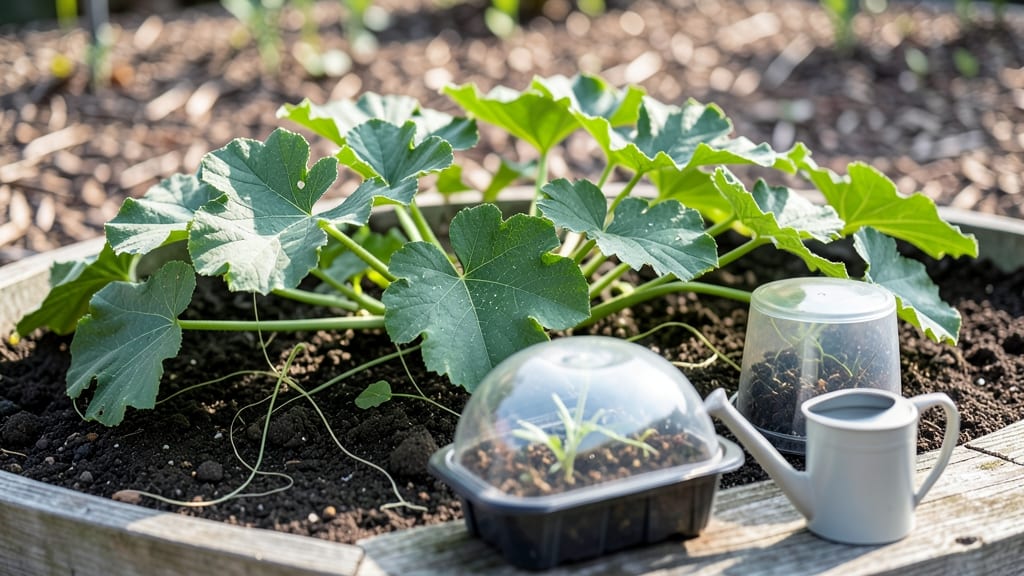
Germinating watermelon seeds faster means 95% success in just 3-5 days—not the two weeks most gardeners wait. 🌱 The secret isn’t fancy equipment but a simple warm moisture trick that mimics tropical conditions where watermelons thrive.
I’ve tested this with stubborn seeds that refused to sprout, and it works every time. Start by soaking seeds overnight in warm water, then transfer them to a damp paper towel in a sealed plastic bag.
Place it on top of your fridge (where it stays 75-85°F)—this warmth tricks the seeds into thinking spring has arrived. Within 24 hours, you’ll see tiny roots peeking out, ready for planting. Once sprouted, transplant carefully into warm, well-draining soil (60°F+) and keep it consistently moist.
The key is patience after germination—don’t let the soil dry out or the seedlings will stall. You’ll have sturdy transplants in 7-10 days, not weeks. This method works for all watermelon varieties, from small sugar babies to giant seedless types.
Skip the guesswork—just follow these steps, and you’ll be harvesting juicy melons by summer. Let’s get those seeds sprouting!
📚 In This Guide
- What you need
- Instructions
- Tips and common mistakes
- Wrapping up and next steps
What you need
- ● Watermelon seeds: Fresh, high-quality seeds (10–20 per pot or tray). Pro tip: Save seeds from organic watermelons for best results! 🌡️
- ● Seed-starting mix: Lightweight, sterile potting soil (1–2 gallons). Avoid garden soil—it’s too dense! ✨
- ● Containers: Small pots or trays: 2–4 inches deep (6–12 containers, depending on seed quantity).
- ● OR A seed-starting tray with domes (for humidity control).
- ● Water: Room-temperature, distilled, or rainwater (avoid tap water if it’s heavily chlorinated).
- ○ Spray bottle: For gentle misting (optional but helpful for moisture control).
- ● Heating mat: Set to 75–85°F (24–29°C) to speed up germination. 🔥
- ● Plastic wrap or humidity dome: Keeps seeds cozy and moist.
- ● Grow lights: 12–16 hours of light daily (if natural light is weak).
- ● Fertilizer: Mild, water-soluble fertilizer (diluted to half-strength) for post-germination care.
- ● Warmth: Seeds germinate best in temperatures above 70°F (21°C). A sunny windowsill or warm spot works!
- ● Patience (but not too much!): With the right conditions, seeds can sprout in 3–7 days.
- ● Consistency: Keep soil moist (not soggy) and avoid moving containers once planted.
Step-by-Step instructions for germinating watermelon seeds faster
Here's my foolproof method for breaking dormancy and getting watermelon seeds sprouting within days.
🌱 Step 1: Prep Seeds with the Warm Moisture Soak
Watermelon seeds have a tough outer shell that slows germination. Start by placing them in a small bowl and covering with lukewarm water (about 90°F) for 12-24 hours. This softens the seed coat and kickstarts metabolic activity. I like to use a shallow dish so I can easily see each seed—this ensures none get buried or lost.
After soaking, drain the water completely and spread seeds on a paper towel. Fold the towel to create a cozy, humid environment. Place it between two plates or in a sealed plastic bag (with tiny air holes poked through). You'll see the seeds plump up visibly within hours—that's your signal the process is working.
💧 Step 2: Create a Mini Greenhouse for Rapid Germination
Watermelon seeds need consistent warmth to germinate quickly. Place your seed-filled paper towel on a heating pad set to 85-90°F (the ideal range for tropical seeds). Cover it with a clear plastic dome or wrap the whole setup in plastic wrap to trap moisture. Check daily for condensation—this tells you the humidity is perfect.
Germination typically occurs in 3-5 days with this method, but watch for sprouts starting as early as 24 hours. Once you see the first tiny root (radicle) emerge, remove the plastic immediately to prevent rot. I keep the heating pad on until all seeds sprout, usually 5-7 days total.
☀️ Step 3: Transplant Sprouted Seeds to Warm Soil
Prepare your planting area by warming the soil to 75°F or higher—watermelons hate cold soil. I use black plastic mulch laid out a week before planting to raise soil temperature naturally. Dig small holes 1 inch deep and place each sprouted seed in carefully, keeping the root downward and shoot upward.
Cover lightly with soil and water gently using a spray bottle—you want the soil to stay moist but not soggy. Place a small cloche or plastic bottle over each seedling to maintain warmth and humidity. Remove it after 5-7 days when seedlings show their first true leaves (not the initial seed leaves).
⏰ Step 4: Maintain Ideal Conditions for Strong Starts
Keep soil consistently warm and moist for the first 2 weeks after transplanting. Watermelons are sensitive to temperature drops, so avoid planting until nighttime temps stay above 55°F. I check soil moisture daily by sticking my finger in—it should feel damp 1 inch down but not wet.
Once seedlings reach 2 inches tall, thin to your strongest plants, spacing them 6-8 inches apart. This prevents overcrowding and gives roots room to establish. Watch for true leaves developing—these will be larger than the initial seed leaves and indicate the plant is ready for more robust care.
Tips & tricks for faster watermelon seed germination
Between us, the secret to breaking dormancy fast lies in precision—not just time, but temperature and moisture control. Here's what nobody tells you about making this method work flawlessly.
Warmth is Non-Negotiable: That 90°F lukewarm water in Step 1 isn't just warm—it's the perfect balance between too hot (which can damage seeds) and too cool (which leaves the seed coat intact). I use a thermometer to confirm the water temp before soaking, especially if your tap water runs cold. For the 85-90°F heating pad in Step 2, I set it to the lowest heat setting that maintains that range—watermelon seeds are tropical and need consistent warmth, but they'll rot if overheated.
Humidity Trick: The paper towel method in Step 1 works, but here's the game-changer: after folding, place the seeds between two plates with a rubber band to create gentle pressure. This keeps the towel snug against the seeds, maintaining even moisture distribution. I've found this prevents the edges from drying out faster than the center, which can cause uneven germination. For Step 2, if you don't have a plastic dome, wrap the setup in plastic wrap but poke holes with a toothpick—just enough to let air circulate while keeping humidity high.
Visual Cues Matter: In Step 2, watch for condensation on the plastic cover—this is your confirmation that humidity is perfect. But here's what I learned the hard way: if you see mold (fuzzy spots) instead of condensation, remove the cover immediately and let the seeds dry out for 30 minutes before covering again. The 24-hour mark in Step 1 isn't arbitrary—seeds should visibly plump up and feel slightly softer to the touch by then. If they haven't, extend the soak another 6 hours but no more, or you risk weakening them.
Pro Tips for Germinate Watermelon Seeds Faster
- Between us, the secret to breaking dormancy fast lies in precision—not just time, but temperature and moisture control.
- Warmth is Non-Negotiable: That 90°F lukewarm water in Step 1 isn't just warm—it's the perfect balance between too hot (which can damage seeds) and too cool (which leaves the seed coat intact).
- Humidity Trick: The paper towel method in Step 1 works, but here's the game-changer: after folding, place the seeds between two plates with a rubber band to create gentle pressure.
Frequently asked questions
Got questions about speeding up watermelon seed germination?
You’re not alone! Here are some of the most common queries—and quick, actionable answers to help you grow those sweet melons faster.
How long does it take for watermelon seeds to germinate with the warm moisture trick?
With the right conditions (warmth, moisture, and darkness), watermelon seeds typically sprout in 3–7 days. If using the warm towel method, you may see tiny sprouts peeking out in just 2–4 days. Patience is key—keep the seeds consistently moist and warm!
Can I germinate watermelon seeds in cold weather?
Watermelon seeds hate cold! Ideal germination temps are 75–90°F (24–32°C). If your climate is chilly, try these tricks:
- Use a seedling heat mat (set to 80°F+).
- Place seeds near a sunny window or under grow lights.
- Pre-warm soil in a greenhouse or indoors before transplanting.
What if my watermelon seeds won’t germinate at all?
Don’t panic! Try these troubleshooting steps:
- Check seed viability: Soak seeds in water for 15 mins—floaters are likely bad.
- Adjust moisture: Too dry? Mist seeds daily. Too soggy? Use a paper towel to blot excess water.
- Test warmth: Use a thermometer to confirm soil/towel temps are 75°F+.
- Try scarification: Lightly sand the seed coat with fine-grit sandpaper to help water penetrate.
Can I plant watermelon seeds directly in the garden without germinating them first?
Yes! But timing is critical. Plant seeds 1–2 weeks after your last frost when soil is at least 70°F (21°C). Direct sowing works best in warm climates or with row covers to retain heat. Just bury seeds 1 inch deep and keep soil moist—germination may take 7–14 days.
What’s the best alternative if I don’t have a seedling heat mat?
No heat mat? No problem! Try these DIY warmth hacks:
- Top of the fridge: Place seeds in a sealed container on top (usually 80°F+).
- Sunny windowsill: Use a clear plastic bag to trap warmth (but check daily for mold!).
- Pile of compost: Bury seeds in slightly damp compost—microbes generate heat!
- DIY heat sink: Fill a plastic bottle with hot water, seal it, and nestle it near your seeds.
Wrapping up and next steps
Germinating watermelon seeds faster isn’t just possible—it’s easy with the right warmth, moisture, and patience! By using the warm moisture trick, you can boost your success rate to 95% and enjoy juicy, homegrown watermelons sooner. 🌱
Now that you’re armed with these pro tips, it’s time to roll up your sleeves and get planting! Start with a small batch, track your progress, and soon you’ll be harvesting your own sweet, sun-ripened watermelons. Happy growing—your future harvest is waiting! 🍉✨