
Propagation
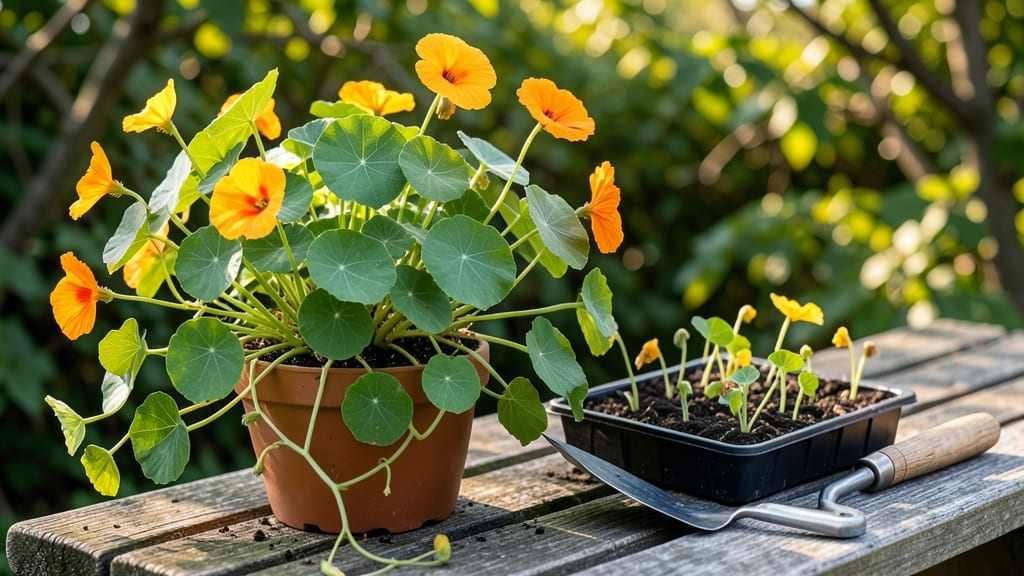
Vining nasturtium seeds are the secret weapon for summer color that grows in record time—I’ve seen sprouts push through soil in just 3-5 days when I use this trick. 🌱 The key isn’t fancy equipment but a simple soak that jumpstarts germination, turning weeks of waiting into days of watching tiny leaves unfurl.
These seeds love warmth and light, so I plant them directly in the garden after the last frost when soil reaches 60°F. A sunny spot with well-draining soil means faster growth and more of those bright orange, red, and yellow blooms that bees adore. No trellis?
No problem—they’ll scramble up anything, but a simple wire frame keeps them contained and the flowers on display. By mid-summer, you’ll have a cascade of edible flowers perfect for salads or garnishes, plus pest-repelling power that keeps aphids away from your veggies.
The vines grow 6-10 feet long, so plan for vertical space or let them sprawl—either way, they’re impossible to resist. Confession: I’ve killed nasturtiums before by overwatering, but once you master the soak-and-sun method, they’re foolproof. Start now, and you’ll have blooms before you know it!
📚 In This Guide
- What you need
- Instructions
- Tips and common mistakes
- Wrapping up and next steps
What you need
- ● Vining nasturtium seeds: 10–20 seeds (choose heirloom or hybrid varieties like 'Alaska,' 'Black Velvet,' or 'Empress of India' for lush vines).
- ● Seed-starting containers: 4–6 small pots (3–4 inches deep) or
- ● A seed tray with individual cells (2–3 inches deep).
- ● High-quality seed-starting mix: 1–2 bags (sterilized, peat-based or coconut coir blend). Avoid garden soil—it’s too dense!
- ● Spray bottle: 8–16 oz (for gentle watering).
- ● Plastic wrap or humidity dome: 1 sheet or lid (to retain moisture).
- ● Grow lights or sunny windowsill: A south-facing window or LED grow light (12–16 hours/day).
- ○ Fertilizer (optional but helpful): Balanced liquid fertilizer (5-5-5 or 10-10-10) or
- ● Slow-release granular fertilizer (e.g., 10-10-10).
- ● Heating mat: (70–75°F range) to speed up germination in cooler climates.
- ● Plant labels: Waterproof markers or stakes to track varieties.
- ● Compost or worm castings: For nutrient-rich soil amendments.
- ● Trellis or cage: (4–6 feet tall) to support vining varieties as they grow.
- ● Pruning shears: For trimming leggy stems later in the season.
Step-by-Step instructions for germinating vining nasturtium seeds
Here's how to coax those seeds into sprouting in record time—no waiting months for stubborn germination.
🌱 Step 1: Soak Seeds Overnight for Faster Sprouting
Nasturtium seeds have thick outer shells that slow germination. Place them in a small bowl and cover with lukewarm water for 8-12 hours. You'll see them swell slightly—this softens the seed coat and speeds up sprouting. I like to use a mesh strainer so they don't sink to the bottom and get waterlogged.
After soaking, drain the water completely and let the seeds sit on a paper towel for 30 minutes to dry slightly. This prevents them from rotting when planted. The goal is damp but not sopping—just enough moisture to kickstart germination without drowning the seeds.
💧 Step 2: Plant in Warm, Well-Draining Soil Mix
Fill your seed-starting containers with a mix of 50% potting soil and 50% perlite or vermiculite to improve drainage. Nasturtiums hate soggy roots, so the extra air pockets help prevent rot. Warm soil germinates faster—place the containers in a spot where the soil stays around 70-75°F, like on top of a refrigerator or near a sunny window.
Plant the soaked seeds ½ inch deep in the soil, spacing them 1 inch apart in rows. I press them gently into the soil with my finger—just enough to cover them lightly. Too deep, and they’ll struggle to break through. Too shallow, and they’ll dry out before sprouting.
☀️ Step 3: Cover and Maintain Moisture for Germination
Cover the containers with clear plastic wrap or a humidity dome to trap warmth and moisture. Nasturtium seeds germinate best in high humidity, and the cover creates a mini greenhouse effect. Place them in indirect light—bright but not scorching—for the first 5-7 days. You’ll see tiny sprouts push through the soil in as little as 3-5 days if conditions are perfect.
Check the soil daily and mist with water if the surface feels dry. Avoid soaking the soil—just keep it consistently moist. Once the first true leaves appear (not the initial seed leaves), remove the cover immediately to prevent fungal growth. This is the moment that matters: too much humidity now can rot delicate seedlings.
✂️ Step 4: Thin Seedlings and Provide Light
When seedlings reach 1-2 inches tall and have 2-3 true leaves, thin them to 6 inches apart in the container. I use small scissors to snip the weaker seedlings at soil level—this is gentler than pulling, which can disturb roots. Nasturtiums grow fast, so don’t crowd them or they’ll compete for nutrients.
Move the seedlings to a sunny spot with at least 6 hours of direct light daily. If growing indoors, supplement with a grow light kept 4-6 inches above the plants. You’ll notice the leaves darken and stems thicken as they strengthen. Leggy seedlings mean they’re stretching for light—rotate the containers daily so they grow straight.
🪴 Step 5: Harden Off and Transplant Outdoors
Two weeks before your last frost date, start hardening off the seedlings by placing them outside in a shaded, sheltered spot for 1-2 hours the first day. Gradually increase their time outdoors over 7-10 days, ending with a full day in the sun. Nasturtiums are tough once established, but sudden temperature drops can shock them.
Transplant them into the garden or containers once all danger of frost has passed. Choose a spot with full sun to partial shade and well-draining soil. Space vining nasturtiums 12-18 inches apart to give their tendrils room to sprawl. Water deeply after planting to help roots settle in—you’ll see new growth within a week if everything’s right.
Tips & tricks for fast-germinating vining nasturtiums
Here's what I learned after struggling with slow germination—these tricks will help you beat the waiting game.
Soaking Strategy: The 8-12 hour soak is your secret weapon against stubborn nasturtium shells. If you're short on time, you can extend this to 24 hours (just don't let them dry out completely), but I've found that 12 hours works perfectly for most people. The key is using lukewarm water—not hot, which can damage the seeds, and not cold, which won't soften the shells effectively. I place my bowl on a heating pad set to low for consistent warmth during soaking.
Soil Temperature Tip: That 70-75°F soil temperature range is non-negotiable for speedy germination. If your home stays cooler, place the containers on top of your refrigerator (not inside!) or use a seedling heat mat. I've tested this with my old fridge top—it maintains perfect warmth without any extra equipment. Pro tip: Check soil temperature with a digital thermometer if you're unsure, as some homes can vary dramatically between rooms.
Germination Timing: Those first 5-7 days under cover are critical. I set a phone reminder to check soil moisture daily—overwatering is the #1 killer of young seedlings. The moment you see true leaves (not the initial seed leaves), remove the cover immediately. I've seen fungal issues develop within 24 hours of keeping the cover on too long after germination begins. This is when your seedlings make the shift from relying on stored energy to photosynthesis.
Light Transition: When moving seedlings to direct sunlight in Step 4, do it gradually over 3-4 days. I start with 2 hours of morning sun and increase by 1 hour each day. Nasturtiums are tough once established, but sudden full sun can scorch tender new leaves. The goal is to let them adapt to stronger light while maintaining their vibrant color—pale, leggy seedlings mean they're stretching for more light than they're getting.
Pro Tips for Vining Nasturtium Seeds
- Here's what I learned after struggling with slow germination—these tricks will help you beat the waiting game.
- Soaking Strategy: The 8-12 hour soak is your secret weapon against stubborn nasturtium shells.
- Soil Temperature Tip: That 70-75°F soil temperature range is non-negotiable for speedy germination.
Frequently asked questions
Got questions about growing vining nasturtiums from seeds? You’re not alone!
Here are the most common queries—and straightforward answers—to help you cultivate these vibrant climbers with confidence.
How long do vining nasturtium seeds take to germinate?
Nasturtium seeds are fast—most sprout in just 5–10 days when planted in warm soil (60–70°F). For quicker results, pre-soak seeds for 24 hours or use a heat mat. Keep soil moist but not soggy, and germination typically peaks within 2 weeks.
Can I plant vining nasturtium seeds directly in the ground?
These seeds thrive in direct outdoor sowing once soil temps hit 50°F+. Space them 12–18 inches apart (they’ll sprawl!). For cooler climates, start indoors 4–6 weeks before last frost or use black plastic mulch to warm the soil faster.
What if my nasturtium seeds don’t sprout?
Try these fixes:
- Check moisture: Seeds need consistent dampness (not waterlogged). Mist lightly daily.
- Test depth: Plant seeds ½ inch deep—too deep = slower germination.
- Light exposure: Nasturtiums need sunlight to germinate. Place trays in a bright spot (even a sunny windowsill works).
- Fresh seeds: Store-bought seeds last 1–2 years. If older, try soaking in hydrogen peroxide (3%) for 10 mins to boost viability.
Are vining nasturtiums edible? Can I save seeds for next year?
Yes! All parts—leaves, flowers, and seeds—are edible with a peppery kick. Use flowers as garnishes or in salads, and leaves like spinach. To save seeds, let a few flowers fully wilt and dry on the vine. Harvest when pods turn brown, then store in a cool, dark place for up to 3 years.
Do vining nasturtiums attract pests? How do I protect them?
Nasturtiums repel aphids and squash bugs—but they’re also tasty to slugs and rabbits. Use these tricks:
- Physical barriers: Copper tape or crushed eggshells deter slugs.
- Companion planting: Pair with basil, oregano, or marigolds to confuse pests.
- Avoid overwatering: Damp soil attracts slugs. Water at the base in the morning.
Still stumped? Drop your question in the comments—we’re happy to help your nasturtiums thrive!
Wrapping up and next steps
Growing vining nasturtiums from seeds is a rewarding journey that brings vibrant blooms and edible surprises to your garden! 🌸 With their fast germination and low-maintenance care, these cheerful plants are perfect for beginners and seasoned gardeners alike.
Whether you’re aiming for a lush trellis display or a tasty harvest, your patience will soon pay off in a burst of summer color.
Ready to dive in? Start by gathering your seeds and supplies, then follow the steps to nurture your vining nasturtiums into thriving plants. Happy gardening—your future blooms (and taste buds!) will thank you! 🌱