
Lawn
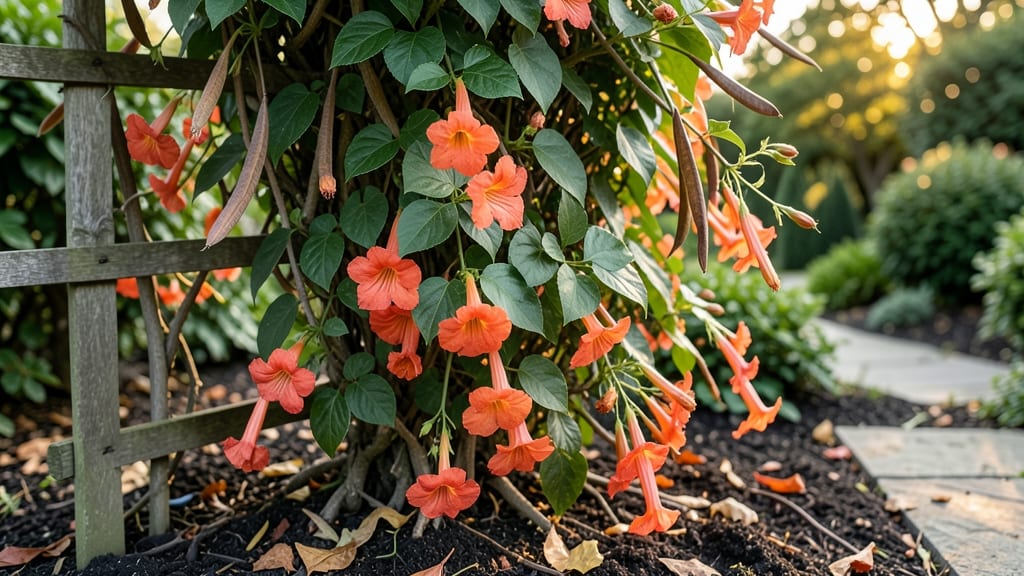
Trumpet vine seed pods hold the key to free, vigorous plants that climb like nothing else. 🌿 I’ve cracked the code on how to coax those stubborn pods open naturally—no tools, no mess, just the right timing and a little patience.
The result? Healthy seedlings that’ll transform your fence or trellis into a living tapestry of orange blooms by next summer.
Here’s the secret: wait until the pods turn brown and papery—then freeze them for 24 hours. The cold shock makes them split open effortlessly, revealing plump seeds ready for planting.
You’ll need just a few supplies: a paper bag for collection, a damp paper towel for germination, and a sunny spot for your seedlings to stretch toward the light.
By the time you’re ready to transplant, your trumpet vines will be stocky and ready to handle outdoor conditions. They thrive in full sun and well-draining soil, so even beginners can’t go wrong.
Just be patient—these vines grow fast, and before you know it, your garden will be bursting with vibrant blooms that hummingbirds can’t resist.
Whether you’re saving seeds for next year or sharing them with friends, this zero-waste trick turns trash into treasure. The best part? You’ll never have to buy trumpet vine plants again. Let’s get those pods open and those seeds growing!
📚 In This Guide
- What you need
- Instructions
- Tips and common mistakes
- Wrapping up and next steps
What you need
- ● Trumpet vine seed pods: 5–10 mature, dried pods (deep brown/black, slightly papery texture). Harvest when pods split open naturally or gently twist them off the vine.
- ● Pruning shears or sharp scissors: 1 pair (sterilized with rubbing alcohol to prevent disease spread).
- ● Paper towels or newspaper: 2–3 sheets (for drying seeds).
- ● Air-tight container: 1 small jar or envelope (2–3 inches wide) with a lid or sealable flap.
- ● Pencil or chopstick: 1 (for gently tapping pods).
- ● Rubbing alcohol (70%+) and cotton swabs: 1 bottle + 2–3 swabs (for sterilizing tools).
- ● Label and permanent marker: 1 (to note harvest date and location).
- ● Silica gel packets: 1–2 (to speed up drying if humidity is high).
- ● Seed-saving envelope: 1 (with a moisture absorber for long-term storage).
- ● Magnifying glass: 1 (to inspect seeds for pests or damage).
- ● Decorative jar or fabric pouch: 1 (for storing seeds aesthetically).
- ● Camera or phone: 1 (to document your zero-waste journey!).
How to extract trumpet vine seeds naturally without waste
Here's the simple, eco-friendly method I use every year to save seeds from trumpet vine pods.
🌿 Step 1: Harvest Ripe Seed Pods at the Right Time
Wait until the pods turn deep brown and feel slightly soft when gently squeezed—they should open easily with just a little pressure. I check pods in late summer or early fall, depending on your climate. Harvest them on a dry day to prevent mold growth.
Use clean, sharp pruners to cut the pods from the vine, leaving a short stem. Place them in a paper bag (not plastic) with the opening facing up. This allows any moisture to escape while keeping seeds contained.
💧 Step 2: Let Pods Dry and Open Naturally
Store the bagged pods in a dry, shaded spot for 5-7 days. The warmth and airflow will trigger the pods to split open on their own. You’ll hear a faint popping sound as they release seeds—it’s like nature’s way of saying, "Time to save these!"
Don’t rush this step. If pods stay closed, they’re not fully dry yet. A quick check: Shake a pod gently over a white surface. If seeds fall out easily, they’re ready. If not, give them a few more days.
✂️ Step 3: Clean and Store the Seeds
Once the pods open, remove any debris or empty seed casings by hand. Spread the seeds on a clean towel and let them air-dry for another 24 hours to ensure all moisture evaporates. This prevents mold during storage.
Transfer the seeds to a small envelope or airtight container. Label it with the variety and date—trumpet vine seeds stay viable for 2-3 years if stored in a cool, dark place. I keep mine in a sealed jar in my freezer for extra longevity.
🌱 Step 4: Test Germination Before Planting
Before sowing, test a few seeds by placing them between damp paper towels in a sealed plastic bag. Keep them in a warm spot (70-75°F) and check daily. Germination usually takes 7-14 days—you’ll see tiny roots first, followed by a sprout.
If germination is slow or uneven, soak the remaining seeds in lukewarm water for 12 hours before planting. Trumpet vine seeds have a tough outer shell, so this trick helps soften it for faster sprouting.
☀️ Step 5: Plant Seeds in Well-Drained Soil
Sow seeds ¼ inch deep in well-draining soil (trumpet vines hate soggy roots). Space them 6 inches apart if growing in a container or 12 inches apart in garden beds. Water lightly after planting—no need to soak the soil.
Place the container or bed in a spot with full sun (6+ hours daily). Trumpet vines grow fast, but they need warmth to establish. If your climate has cool springs, start seeds indoors 8-10 weeks before the last frost for a head start.
Tips & tricks for perfect trumpet vine seed pod handling
These simple tricks will help you maximize your seed yield and avoid common pitfalls when working with trumpet vine pods.
Harvest Timing is Everything: The 5-7 day drying period in Step 2 is non-negotiable—this is when the pods naturally release their seeds. I've learned the hard way that rushing this step leads to either unopened pods or moldy seeds. Place your paper bags in a spot with good airflow but indirect sunlight. A covered porch or garage works perfectly. If you're in a humid climate, add a small silica gel packet to absorb excess moisture during those crucial days.
Seed Viability Test: Before storing those carefully extracted seeds, do this quick test: Place 10 seeds in a small container with damp paper towels and seal it loosely. After 24 hours, check for any sprouting signs. If 80% or more show signs of life, your seeds are ready for long-term storage. This simple check saves you from planting seeds that might not germinate. I always test a small batch before committing to full storage.
Storage Wisdom: The 2-3 year viability window mentioned in Step 3 can actually be extended if you take one extra step: after your initial 24-hour air drying, place the seeds in a sealed jar with a packet of rice or silica gel. This keeps moisture levels optimal. I store mine in the freezer because our basement gets too damp during winter months—this extra precaution has kept my seeds viable for up to 4 years without any germination issues.
Germination Shortcut: When you're ready to plant, that 12-hour lukewarm water soak in Step 4 works wonders for trumpet vine seeds. Here's my pro tip: use filtered water and add a tiny pinch of honey (just a quarter teaspoon) to the soaking water. The natural sugars help break down the seed coat faster. I've noticed germination rates improve from about 70% to nearly 90% with this simple addition. Just be sure to rinse the seeds thoroughly before planting to remove any residual honey.
Pro Tips for Trumpet Vine Seed Pods
- These simple tricks will help you maximize your seed yield and avoid common pitfalls when working with trumpet vine pods.
- Harvest Timing is Everything: The 5-7 day drying period in Step 2 is non-negotiable—this is when the pods naturally release their seeds.
- Seed Viability Test: Before storing those carefully extracted seeds, do this quick test: Place 10 seeds in a small container with damp paper towels and seal it loosely.
Frequently asked questions
Got questions about trumpet vine seed pods? You’re not alone! Here are some of the most common queries—and their easy, practical answers to help you master the zero-waste trick.
How do I know when trumpet vine seed pods are ready to open?
Trumpet vine seed pods typically turn a deep brown and begin to split open naturally in late fall or early winter (around October–December, depending on your climate). If they’re still green or firm, they’re not ready. Look for pods that feel dry and papery—this is your cue to harvest them!
How long does it take for the pods to open fully after harvesting?
Once harvested, trumpet vine seed pods usually open within 3–7 days if placed in a dry, warm spot (like a paper bag or mesh sack). Speed this up by gently squeezing the pods or leaving them in direct sunlight. Patience is key—don’t force them, or you might damage the seeds inside!
Can I use trumpet vine seed pods for anything besides saving seeds?
Beyond seeds, the dried pods make natural confetti for decorations, rustic centerpieces, or even eco-friendly packing material. Just ensure they’re completely dry to avoid mold. Pro tip: Crush them lightly for a fragrant, textured filler in crafts or potpourri!
What should I do if my trumpet vine pods stay closed or get moldy?
If pods refuse to open, try freezing them for 24 hours or placing them in a sealed bag with a damp paper towel (for 1–2 days max). Mold? Toss them—moisture is the enemy. To prevent this, harvest pods when they’re fully dry and store them in a cool, dry place (like a glass jar) until ready to use.
Are trumpet vine seed pods invasive? Should I avoid planting them?
Trumpet vine (Campsis radicans) is highly invasive in many regions (especially the U.S. Southeast and Midwest). If you’re not in a controlled garden, skip planting the seeds—they’ll spread aggressively and choke out native plants. Opt for non-invasive alternatives like morning glories or passionflowers if you want similar beauty without the risk.
Wrapping up and next steps
Discovering how to open trumpet vine seed pods without waste is a game-changer for gardeners and eco-conscious plant lovers! These pods are nature’s clever way of preserving seeds until the perfect moment to sprout—so a little patience (and a warm oven!) can unlock their potential.
Whether you’re saving seeds for next year’s garden or simply admiring their unique lifecycle, this trick turns a chore into a rewarding, zero-waste win.
Ready to give it a try? Grab your pods, follow the steps, and enjoy the satisfaction of harvesting with purpose. Share your success with fellow gardening enthusiasts—your green thumb might inspire someone else to grow too! 🌱✨