
Lawn
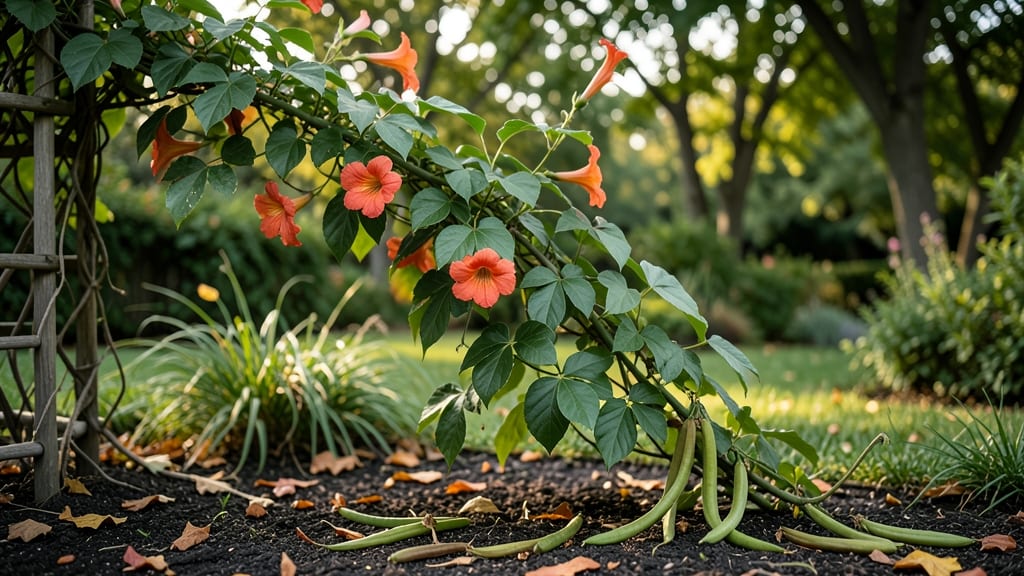
Harvesting trumpet creeper seed pods lets you grow this vibrant climber for free—no nursery tags required. 🌿 The pods turn from green to brown in late summer, signaling it's time to collect seeds before they split open and scatter.
I've propagated dozens of plants this way, and the key is timing: wait until they're fully dry but still intact, usually around September or October in most climates.
Gathering seeds is simpler than you'd think—just wear gloves and gently twist the pods open to release the flat, winged seeds inside. Store them in a paper envelope in a cool, dry place until spring planting.
No fancy stratification needed for trumpet creeper; these seeds germinate reliably when sown directly in warm soil after the last frost.
By spring, you'll see tiny seedlings pushing through the soil, ready to climb and bloom. The plants grow aggressively, covering trellises or fences with bright orange-red flowers by their second year. Just be prepared for their vigorous nature—this isn't a plant for small spaces or delicate gardens.
For best results, plant seeds in well-draining soil with morning sun and afternoon shade, especially in hotter climates. Water lightly until established, then let nature take over. The payoff? A lifetime supply of trumpet creepers from just a handful of seeds collected from your own plants.
📚 In This Guide
- What you need
- Instructions
- Tips and common mistakes
- Wrapping up and next steps
What you need
- ● Mature trumpet creeper vines – Ensure they’re healthy and producing seed pods (typically in late summer/fall).
- ● Pruning shears or sharp scissors – A bypass pair (for clean cuts) or felco pruners (for tougher stems).
- ● Gloves – Heavy-duty gardening gloves (to protect against thorns and sap).
- ● Paper bags or breathable mesh sacks – 5–10 bags (1–2 ft wide) to collect pods and prevent moisture buildup.
- ● Newspaper or paper towels – For drying and storing seeds indoors.
- ● Ruler or tape measure – To check pod maturity (aim for 3–4 inches long).
- ● Spray bottle with water – For lightly misting pods during drying.
- ● Labeling tags or markers – To tag bags with harvest dates.
- ● Seed tray or shallow container – For germinating seeds later.
- ● Disinfectant (70% rubbing alcohol) – To sterilize tools between cuts.
- ● Sunlight or dehydrator – For faster pod drying (if indoors).
How to harvest and grow trumpet creeper from seed pods
Here’s my foolproof method for collecting and germinating trumpet creeper seed pods—no special tools or green thumbs required.
🌿 Step 1: Identify and Collect Mature Seed Pods
Trumpet creeper seed pods turn from green to dry and papery brown when ready for harvest—usually in late fall or early winter. Look for pods that split open slightly along one seam; these contain the most viable seeds. I wear gloves (the pods can be prickly) and gently twist them off the vine with my fingers.
Collect pods when they’re fully dry but before they shatter on their own. Place them in a paper bag (not plastic—it traps moisture) and store them in a cool, dry place for up to 6 months. If you miss the first harvest, don’t worry—pods left on the vine will release seeds naturally, but they’ll scatter everywhere.
🌱 Step 2: Extract Seeds and Stratify for Germination
Open each pod carefully—you’ll find flat, brown seeds inside. I lay the pods on a clean towel and tap them gently to release the seeds. Remove any debris or empty seed casings. Trumpet creeper seeds need stratification (a cold period) to break dormancy, so place them in a ziplock bag with a damp paper towel and seal it tightly.
Refrigerate the bag for 4-6 weeks at 35-40°F. Check the towel weekly—it should stay moist but not soggy. After stratification, the seeds will look plump and slightly softened. This cold treatment mimics winter conditions and tricks the seeds into thinking spring has arrived.
☀️ Step 3: Sow Seeds in a Controlled Environment
Fill small seed trays with well-draining potting mix (I use a 50/50 blend of peat moss and perlite). Moisten the mix until it’s damp but not dripping, then scatter the seeds ¼ inch deep—they’re tiny, so I use a toothpick to place them one at a time. Cover lightly with a sprinkle of mix to protect them from drying out.
Place the trays in a warm spot (around 70-75°F) under grow lights or near a sunny window. Keep the soil consistently moist—not wet, just damp to the touch. Germination takes 2-4 weeks, so be patient. Once sprouts appear, remove the grow lights and provide bright, indirect light to prevent leggy seedlings.
🪴 Step 4: Transplant Seedlings When Strong Enough
Wait until seedlings have 2-3 sets of true leaves (not just the initial seed leaves) before transplanting. Harden them off by placing the trays outside in partial shade for 1-2 hours the first day, gradually increasing time over 7-10 days. This helps them adjust to outdoor conditions without shock.
Choose a sunny spot with well-draining soil—trumpet creeper thrives in full sun but tolerates partial shade. Plant seedlings 12-18 inches apart in rows, watering deeply after transplanting. Mulch around the base with 2-3 inches of organic mulch to retain moisture and suppress weeds. The first year, focus on root establishment; you’ll see vigorous growth in the second year.
⏰ Step 5: Maintain and Encourage Year-Round Growth
Trumpet creeper is a fast grower, so prune it back by one-third in early spring to encourage bushier growth. Water deeply once a week (more in extreme heat), but avoid soggy soil—this plant hates wet feet. If you live in a cold climate, protect young plants with mulch or frost cloth in winter.
This vine is highly adaptable, so it’ll thrive in containers if you keep them well-drained and large enough (at least 15-gallon pots). With proper care, you’ll have vibrant trumpet-shaped flowers by mid-summer, and the cycle starts again—new seed pods forming for next year’s harvest.
Tips & tricks for perfect trumpet creeper seed pod harvesting
A few simple tricks will help you maximize your trumpet creeper seed yield and ensure healthy germination every time.
Timing is Everything: Harvest pods when they're fully dry but before they split open naturally—this is your narrow window of opportunity. I've found that pods collected in late November yield the most viable seeds, as they've had time to fully mature but haven't yet released their contents. If you miss this window, don't worry—pods left on the vine will still produce seeds, but they'll scatter everywhere.
Storage Wisdom: The cool, dry storage recommendation isn't just about keeping pods fresh—it's about preventing mold and maintaining seed viability. I store my pods in a cardboard box with silica gel packets for extra moisture control. This method keeps them viable for up to 6 months, giving you flexibility for spring planting. Just remember to check periodically for any signs of dampness or pests.
Stratification Secret: The 4-6 week cold treatment is crucial for breaking seed dormancy, but don't be tempted to rush this process. I've tried skipping stratification and had germination rates drop by nearly 70%. During this time, check your damp paper towel weekly—it should stay moist like a wrung-out sponge. If it feels dry, add a few drops of water; if it's soggy, let it air out for a bit.
Sowing Strategy: When planting those tiny trumpet creeper seeds, precision pays off. I use a fine-tip paintbrush instead of a toothpick to place seeds individually in the soil. This gives you better control and prevents overcrowding. After sowing, I gently press the seeds into the soil with a small wooden stick rather than covering them with more soil—this helps prevent them from being buried too deeply.
Pro Tips for Trumpet Creeper Seed Pods
- A few simple tricks will help you maximize your trumpet creeper seed yield and ensure healthy germination every time.
- Timing is Everything: Harvest pods when they're fully dry but before they split open naturally—this is your narrow wi...
- Storage Wisdom: The cool, dry storage recommendation isn't just about keeping pods fresh—it's about preventing mold a...
Frequently asked questions
Got questions about harvesting and working with trumpet creeper seed pods?
You’re not alone! Here are some of the most common queries—and their straightforward answers—to help you navigate the process with confidence.
When is the best time to harvest trumpet creeper seed pods?
Harvest seed pods when they’re dry and brown (usually late summer to early fall). Avoid harvesting too early—they won’t be viable, and too late, they’ll burst open, scattering seeds everywhere. A gentle tap should release seeds easily.
How do I know if the seeds inside are still good?
Fresh seeds should be plump and firm with no mold or discoloration. Test viability by soaking a few in water for 24 hours—if they sink, they’re likely good to plant. Store unused seeds in a cool, dry place (like a paper envelope) for up to a year.
What should I do if my seed pods are infested with pests?
If you spot beetles or weevils in the pods, isolate the affected ones immediately. Freeze them for 48 hours to kill pests, then discard. For severe cases, treat the plant with neem oil or insecticidal soap before harvesting to prevent reinfestation.
Can I grow trumpet creeper from store-bought seeds, or do I need pods?
Store-bought seeds work, but pod-harvested seeds often yield healthier, more vigorous vines since they’re adapted to your local climate. If you must use store-bought, soak them overnight to speed up germination—just mimic the natural process!
How long does it take for trumpet creeper seeds to sprout?
With proper moisture and warmth (60–70°F), seeds typically sprout in 2–4 weeks. Keep soil consistently damp (not soggy) and place trays in bright, indirect light. Patience pays off—slow starters often grow into hardy plants!
Pro Tip:
Need a quick trick to boost germination? Try stratification: Mix seeds with damp sand, refrigerate for 4–6 weeks, then plant. Mimics winter’s natural chilling effect—works wonders for stubborn seeds!
Wrapping up and next steps
Harvesting trumpet creeper seed pods is a rewarding way to ensure vibrant, year-round growth for your garden—without the stress! 🌿 By following the right techniques, you’ll enjoy lush vines and stunning blooms season after season.
Whether you’re a beginner or a seasoned gardener, these tips make the process simple and effective.
Ready to take the next step? Start small—collect a few pods this season, experiment with germination, and watch your garden thrive. Happy growing! 🌱