
Trees
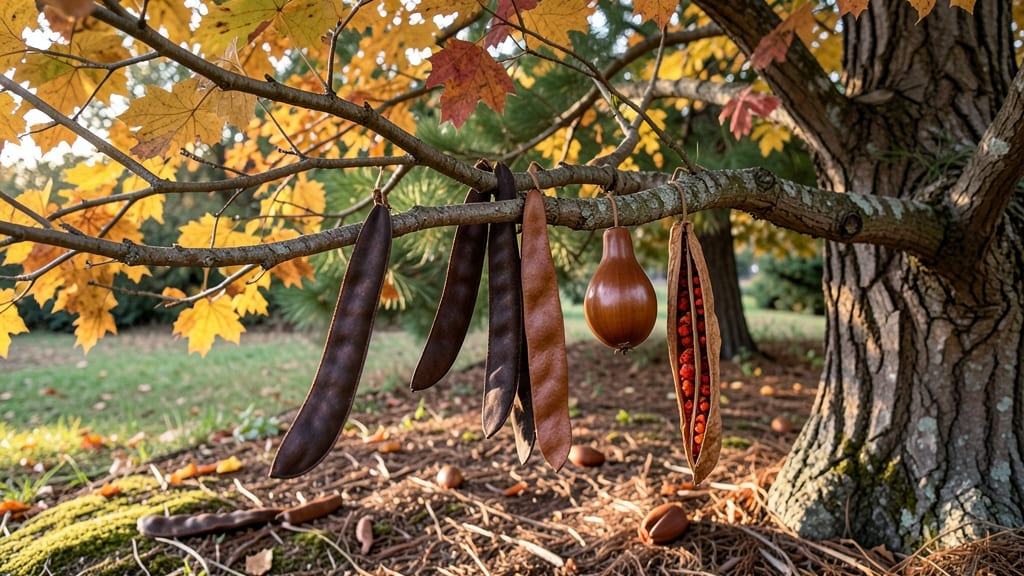
Harvesting tree seed pods in fall means free, homegrown trees—but only if you know when and how to collect them. 🌳 I’ve turned my backyard into a nursery by mastering this simple process: wait for pods to turn brown, shake them gently, and store the seeds properly.
The key is catching them at the right moment before they scatter naturally or rot on the ground.
Start with easy species like oak, maple, or sweetgum—their seeds are large and hardy, perfect for beginners. You’ll need a bucket, paper bags, and a damp paper towel for testing viability. Most seeds need 60-90 days of cold stratification (mimicking winter) to break dormancy, but some, like sycamore, germinate faster.
The payoff? Thousands of free trees for your property or to share with neighbors.
By spring, you’ll watch those tiny seeds sprout into sturdy seedlings—no nursery costs, just patience. The trickiest part is avoiding pests (like weevils) and keeping seeds moist but not soggy. With the right timing, you’ll outpace any store-bought sapling and create a legacy of shade and beauty for decades.
Works for urban lots, rural acres, or even container growing. Here’s how to do it right the first time—no green thumb required.
📚 In This Guide
- What you need
- Instructions
- Tips and common mistakes
- Wrapping up and next steps
What you need
- ● Gloves (1–2 pairs): Heavy-duty, nitrile or leather gloves to protect your hands from thorns, sap, or rough textures.
- ● Pruning shears or small handsaw (1): For safely cutting pods from branches (avoid damaging the tree!). A bypass pruner works best for delicate stems.
- ○ Buckets or mesh bags (2–3): Large enough to hold pods without crushing them (10–15 gallons each). Optional: Label bags by tree type (e.g., "Maple," "Lotus").
- ● Paper towels or newspaper (1 roll): For drying pods quickly if moisture is an issue.
- ● Notebook & pen (1): To log pod types, harvest dates, and storage locations.
- ● Spray bottle with water (1): For lightly misting pods if they’re too dry during harvest.
- ● Air-tight containers (3–5): Glass jars with lids (quart or gallon size) or zip-top bags with silica gel packets (for humidity control).
- ● Silica gel packets (2–4): To absorb moisture and prevent mold (available at craft stores or online).
- ● Permanent markers (1): For labeling containers with pod type and harvest date.
- ○ Optional: Desiccant bags (for bulk storage).
- ● Small fan (to speed up drying in humid climates).
- ● Camera (to document unique pods for identification later!).
- ● Knowledge of local tree species (or a field guide to identify seed pods).
- ● Permission to harvest (if on private or protected land).
- ● Patience! Some pods (like lotus or maple) take weeks to fully mature.
How to harvest and store tree seed pods for long-term viability
Here’s my no-fuss method for collecting seed pods at peak ripeness and storing them for years.
🌿 Step 1: Identify and Harvest Pods at the Right Stage
Timing matters most—harvest when pods are fully mature but before they split open on their own. For most hardwoods like oaks or maples, this means waiting until pods turn dry and brown (often in late fall or winter). Softwoods like pine cones should be collected when they’re still closed but brittle to the touch.
Gently twist or pluck pods from branches—don’t yank! A sharp tug can damage the tree or leave behind immature seeds. I like to work on a dry day when pods are less likely to stick to gloves. Place them in a paper bag (not plastic) to allow airflow and prevent mold.
🪴 Step 2: Clean and Dry Pods Thoroughly
Spread pods in a single layer on a clean, dry surface (like a baking sheet) in a warm, dry spot for 1-2 weeks. This mimics natural drying conditions and ensures seeds won’t rot during storage. Stir them daily to prevent moisture buildup—humidity is the enemy of long-term viability.
Once fully dry, pods should feel lightweight and brittle when squeezed. If any still feel damp or sticky, extend drying time. For stubbornly moist pods, place them in a mesh bag and hang them in a well-ventilated area for an extra week.
💧 Step 3: Separate Seeds and Store Properly
Open dried pods carefully—some, like acorns, release seeds easily, while others (like hickory) require gentle crushing. For tough pods, I use a small hammer or rolling pin on a hard surface. Wear gloves if pods are prickly!
Remove any debris or damaged seeds, then store the clean seeds in airtight containers (glass jars or sealed plastic bags with silica gel packets). Label each container with the tree species and harvest date—seeds lose viability over time, and tracking this helps with future planting success.
⏰ Step 4: Store in Cool, Dark Conditions
Place containers in a cool (35-45°F), dark location like a refrigerator or root cellar. Avoid basements with temperature fluctuations or high humidity. Seeds stored this way can remain viable for 1-5 years, depending on the species.
Check stored seeds annually for signs of mold or pests. If you notice any musty smells or discoloration, discard the batch immediately. For best results, use seeds within 2 years for optimal germination rates.
Tips & tricks for perfect tree seed pod harvesting
Here's what nobody tells you about preserving those hard-won seeds for years to come.
Timing is Everything: I learned this the hard way after trying to harvest acorns too early—they were still green and wouldn't store properly. For most hardwoods, wait until pods turn completely dry and brown, usually in late fall or winter. If you're unsure, do the "brittle test": if the pod snaps easily when bent, it's ready. This timing difference between species is why I always research the specific trees I'm harvesting.
Harvesting Technique: That gentle twist-and-pluck method isn't just about being kind to the tree—it's about getting mature seeds. A sharp tug can leave behind immature seeds or damage the branch. I've found that working on dry days prevents pods from sticking to gloves, which makes collection much cleaner. And here's a pro move: use a small pruning shear for high branches instead of climbing—safety first!
Drying Strategy: The 1-2 week drying period in Step 2 is non-negotiable for long-term storage, but I've discovered a few tricks to speed things up when needed. If you're in a hurry, try placing pods in a single layer on a baking sheet in a warm, sunny spot (like a car with windows cracked) for 3-4 days instead of weeks. Just monitor them closely—over-drying can make seeds too brittle. For stubbornly moist pods, my mesh bag trick in a well-ventilated area works wonders.
Storage Wisdom: That 35-45°F temperature range in Step 4 is perfect for refrigerator storage, but I've had great success using the crisper drawer for extra humidity control. For long-term storage beyond 2 years, I add a small packet of silica gel to my airtight containers—it absorbs any residual moisture that could cause mold. And here's something I wish I'd known sooner: write the harvest date in pencil on the container lid, not just the label. Pencil won't fade with temperature changes like ink does.
Pro Tips for Tree Seed Pods
- Here's what nobody tells you about preserving those hard-won seeds for years to come.
- Timing is Everything: I learned this the hard way after trying to harvest acorns too early—they were still green and wouldn't store properly.
- Harvesting Technique: That gentle twist-and-pluck method isn't just about being kind to the tree—it's about getting mature seeds.
Frequently asked questions
Got questions about harvesting and storing tree seed pods?
You’re not alone! Here are some common concerns—and straightforward answers—to help you gather, process, and preserve seeds with confidence.
When is the best time to collect seed pods from trees?
The ideal time depends on the tree species. For most hardwoods (like maple or oak), harvest pods when they’re dry but still intact—typically late summer to early fall. Softwoods (e.g., pine) release seeds in spring or summer. Pro tip: Shake branches over a tarp to catch pods easily, or pick them by hand when they’re fully mature but before they split open.
How do I know if seed pods are still viable for planting?
Viability drops if pods are wet, moldy, or cracked. Test seeds by placing them in a jar of water: viable seeds sink (they’re dense and full of life!), while floaters are likely dead. Store pods in a cool, dry place (like a paper bag with holes) for up to 1–2 years, or refrigerate for longer shelf life.
Can I use seed pods from any tree, or are some toxic?
Absolutely—but proceed with caution! Some pods (like those from yew or black walnut) contain toxins. Always research your tree species first. When in doubt, wear gloves and avoid ingestion. For safe options, stick to native trees like maple, birch, or fruit-bearing varieties (e.g., apple or cherry).
What’s the easiest way to remove seeds from tough seed pods?
For stubborn pods (e.g., locust or honey locust), try these tricks:
- Soak them in warm water for 1–2 hours to soften fibers.
- Gently crush pods with a hammer or rolling pin (wear gloves!).
- Use a colander to rinse seeds clean—just let water filter out the chaff.
For extremely hard pods (like acorns), crack them open with pliers or a nutcracker.
How should I store seed pods long-term to prevent mold or pests?
Prevent spoilage with these steps:
- Let pods air-dry completely (1–2 weeks) in a shaded, well-ventilated area.
- Store in paper bags or breathable fabric sacks (plastic traps moisture!).
- Add a silica gel packet or a few grains of rice to absorb excess humidity.
- Keep in a cool, dark place (like a basement or fridge) for maximum freshness.
Bonus: Label bags with the tree type and harvest date to track viability!
Wrapping up and next steps
From maple samaras to mesquite pods, harvesting tree seed pods is a rewarding way to connect with nature while ensuring a sustainable supply for gardening or wildlife support. 🌿 With the right tools, timing, and storage techniques, you can enjoy a year-round stash of viable seeds—no stress, just success!
Whether you're a beginner or a seasoned forager, every pod you collect is a step toward greener thumbs and thriving ecosystems.
Ready to take the next step? Start small—try harvesting from one tree this season, then expand your efforts. Share your findings with fellow gardeners or local conservation groups, and watch how this simple act grows into something bigger. Happy harvesting! 🌱