
Planting
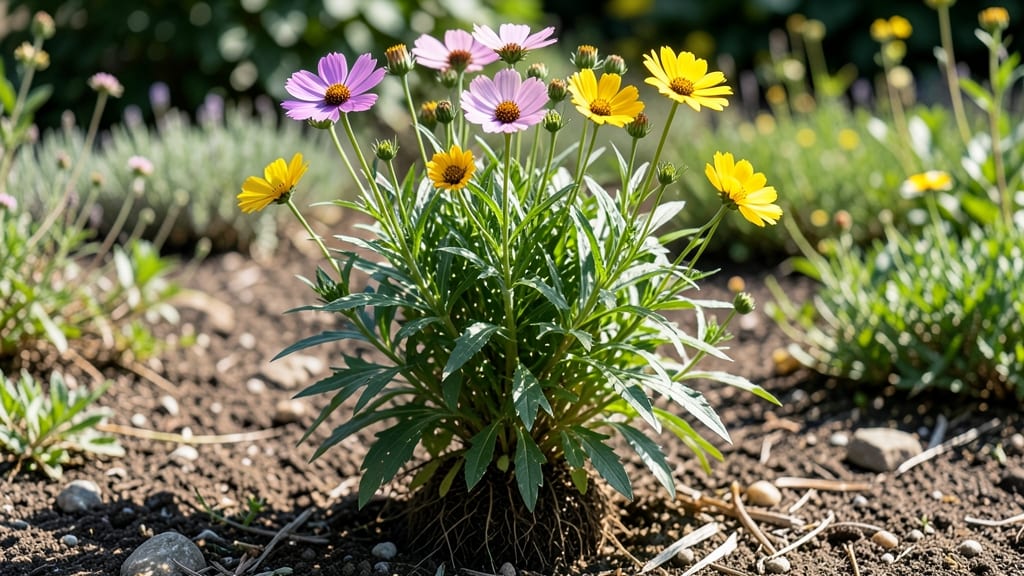
Tickseed plants (Coreopsis) burst into cheerful yellow and pink blooms that last from summer through fall—if you give them the right care. 🌻 I’ve grown these sun-loving perennials for years, and the secret to their long-lasting beauty isn’t complicated: consistent sunlight, smart watering, and occasional pruning to keep them compact and blooming.
Once established, they practically take care of themselves, which is why they’re a favorite for low-maintenance gardeners.
The key to happy tickseeds starts with 6+ hours of direct sunlight daily—they’ll wilt or stretch out if deprived. Water them once a week (more in extreme heat) and let the soil dry between waterings to avoid root rot.
Well-draining soil is a must, so amend heavy clay with compost if needed. Prune spent blooms in late summer to encourage more flowers, and cut back the entire plant in early spring to keep it tidy.
By mid-summer, you’ll be rewarded with nonstop blooms that attract butterflies and hummingbirds. The foliage stays green and sturdy, and the plants spread slowly over time, filling in garden gaps naturally.
Even in winter, the roots stay active in mild climates, so a little mulch helps them power through the cold months.
For leggy growth or sparse blooms, it’s usually a sign of too much shade or overwatering. Move the plant to sunnier spot if needed, and adjust your watering schedule. With these simple tweaks, your tickseeds will thrive for years—adding color and joy to your garden with almost no effort.
📚 In This Guide
- What you need
- Instructions
- Tips and common mistakes
- Wrapping up and next steps
What you need
- ● Tickseed seeds or nursery-grown plants – Choose from varieties like Coreopsis verticillata (threadleaf) or Coreopsis lanceolata (lanceleaf). Buy 5-10 seeds for a small garden or 2-3 plants for a pop of color.
- ● Well-draining potting mix or garden soil – Opt for a blend with perlite or sand (20-30% by volume) to prevent root rot. For containers, use a 10-12 inch pot with drainage holes.
- ● Sunlight access – A spot with 6-8 hours of full sun daily (partial shade in hot climates works too!).
- ● Watering can or hose with a gentle spray nozzle – Tickseeds hate soggy roots, so moderate watering (1 inch per week) is key.
- ○ Fertilizer (optional but helpful) – A balanced, slow-release granular fertilizer (10-10-10 or 20-20-20) applied once in spring boosts blooms.
- ● Garden gloves – Protect your hands from prickly stems (especially in Coreopsis tinctoria).
- ● Pruning shears – Deadhead spent blooms to encourage continuous flowering.
- ● Mulch (straw or shredded bark) – Helps retain moisture and suppress weeds. Apply a 2-inch layer around the base.
- ○ Support stakes (optional) – Useful for taller varieties like Coreopsis gigantea to prevent flopping.
- ● Pest control (neem oil or insecticidal soap) – Tickseeds are generally pest-resistant, but watch for aphids or spider mites.
Step-by-step instructions for growing and maintaining tickseed plants
Here’s how to keep your tickseed plants vibrant with minimal fuss—these sun-loving beauties reward patience with nonstop blooms.
🌱 Step 1: Select the Perfect Spot for Light and Drainage
Tickseed (Coreopsis spp.) thrives in full sun—at least 6-8 hours daily. I always place mine in the western exposure of my garden, where they get intense afternoon light without scorching. If your space is shadier, choose compact varieties like 'Moonbeam' that tolerate 4-6 hours of sun.
Drainage is non-negotiable. These plants despise soggy roots, so amend heavy soil with 1-2 inches of coarse sand or perlite per square foot. Dig a hole twice as wide as the root ball and mix in a handful of compost to encourage root spread. The moment you see water pooling after rain, you’ve got a problem—amend immediately.
☀️ Step 2: Water Deeply but Infrequently
Tickseed’s drought tolerance is legendary, but that doesn’t mean neglect. Water deeply once a week during the first growing season to establish roots, then taper to every 10-14 days once established. The key is saturation: push your finger 2-3 inches deep—if it’s dry, water until moisture reaches 6 inches down.
Overwatering is the fastest way to kill these plants. You’ll know you’re doing it right when the soil surface feels dry to the touch but the subsoil stays moist. Mulch with 1-2 inches of shredded bark around the base to lock in moisture and prevent weed competition. This also keeps roots cool in summer’s peak heat.
✂️ Step 3: Prune Strategically for Longer Blooms
Deadheading spent blooms isn’t just about looks—it signals the plant to produce more flowers. Pinch off faded florets with your fingers or snip with clean shears just above the next set of healthy leaves. I do this every 2-3 weeks during peak bloom (late spring through fall), and my plants reward me with continuous color.
For a bushier habit, cut back one-third of the plant’s height in early spring, right after the last frost. This encourages dense, compact growth and prevents legginess. Avoid heavy pruning in fall—let the plant go dormant naturally. If you live in Zone 8 or warmer, a light trim in late winter keeps them tidy without shocking the plant.
🪴 Step 4: Fertilize Lightly for Healthy Growth
Tickseed doesn’t need much fertilizer, but a balanced 10-10-10 granular fertilizer applied in early spring gives it a gentle boost. Scatter 1 tablespoon per plant around the base and water deeply to activate it. Skip fertilizing in fall—this encourages tender new growth that won’t survive winter.
For organic gardeners, work in 1-2 inches of compost around the root zone in early spring. This improves soil structure over time without the risk of overfeeding. Yellowing leaves? That’s your cue to cut back on fertilizer—tickseed prefers lean soil to lush, floppy growth.
⏰ Step 5: Protect in Winter and Prepare for Next Season
In Zones 5-7, tickseed goes dormant in winter. Cut back dead foliage to 2-3 inches above ground level in late fall, then mulch with 3-4 inches of straw or leaves to insulate roots. In Zones 8-10, no prep is needed—they’ll regrow from the base in spring.
Here’s the trick: mark where you planted them with small stakes or a garden flag. In early spring, remove the mulch and water lightly to wake up the roots. You’ll see fresh green shoots within 2-3 weeks—that’s your sign to start fertilizing and deadheading again.
Tips & tricks for perfect tickseed plant care
These sun-loving beauties thrive with the right approach—and I've learned the hard way what works (and what doesn't). Here's how to keep your tickseed plants blooming like crazy all season.
Light Strategy: The 6-8 hours of sunlight requirement isn't just about quantity—it's about quality. Position your plants where they get morning sun and afternoon light without harsh midday glare. I've found that western exposures work best because they avoid the scorching of southern sun while still providing enough intensity. For shadier spots, varieties like 'Moonbeam' are your best bet—they'll tolerate that 4-6 hour range without sacrificing blooms.
Soil Science: That 1-2 inch amendment of coarse sand or perlite isn't just about drainage—it's about creating the perfect air-to-soil ratio. I've seen tickseed plants struggle in heavy clay because roots can't breathe. The key is to mix this amendment into the top 6-8 inches of soil, not just around the root ball. This creates a sponge-like environment that holds moisture while preventing waterlogging. Test your soil by squeezing a handful—if it stays in a tight ball, you need more amendment.
Watering Wisdom: The once-weekly watering during establishment isn't about creating a schedule—it's about creating roots. Push your finger 2-3 inches deep and water until moisture reaches 6 inches down. This encourages deep root growth that makes tickseed so drought-tolerant later on. I've learned that surface watering leads to shallow roots that dry out quickly. Think of it like giving your plants a drink that reaches all the way to their toes rather than just wetting their feet.
Pruning Precision: That every 2-3 weeks deadheading might seem like a lot, but it's the secret to continuous blooms. The trick is to remove only the spent florets—not the entire flower head. This signals the plant to redirect energy to producing new blooms rather than setting seed. I've found that using clean shears (or even my fingers) just above a set of healthy leaves gives the cleanest cuts and prevents disease. And remember—spring pruning is your chance to shape the plant, while fall pruning should be minimal to avoid shocking the plant before dormancy.
Pro Tips for Tickseed Plant Care
- These sun-loving beauties thrive with the right approach—and I've learned the hard way what works (and what doesn't).
- Light Strategy: The 6-8 hours of sunlight requirement isn't just about quantity—it's about quality.
- Soil Science: That 1-2 inch amendment of coarse sand or perlite isn't just about drainage—it's about creating the perfect air-to-soil ratio.
Frequently asked questions
Got questions about keeping your tickseed plant happy? Here are some of the most common ones—plus quick answers to keep your Coreopsis thriving!
How often should I water my tickseed plant?
Water your tickseed plant once a week during the growing season (spring to fall), allowing the top 1-2 inches of soil to dry out between waterings. In winter or drought conditions, reduce to every 2-3 weeks. Overwatering is the #1 killer—stick your finger in the soil to check moisture levels!
Can tickseed plants grow in containers?
Tickseed thrives in containers with well-draining soil and a pot at least 12 inches wide. Choose a container with drainage holes to prevent root rot. Repot every 2-3 years or when roots outgrow the current space. Bonus: Container-grown plants bloom even more prolifically!
Why aren’t my tickseed flowers opening?
If your Coreopsis is producing buds but not blooming, it’s likely due to too much shade, over-fertilizing, or stress from extreme heat. Move it to full sun (6+ hours/day), reduce fertilizer, and ensure consistent (but not excessive) watering. Deadheading spent blooms also encourages new flowers!
Are tickseed plants deer-resistant?
Yes! Tickseed is moderately deer-resistant thanks to its slightly bitter foliage. However, hungry deer may still nibble if other food is scarce. For extra protection, plant near deer-repellent herbs like lavender or rosemary, or use a light fence around your garden beds.
How do I overwinter tickseed in cold climates?
Tickseed is perennial in USDA Zones 3-9, but in colder areas, protect it with a 2-3 inch layer of mulch (straw or shredded leaves work well). Cut back dead foliage in early spring before new growth appears. If your plant freezes, don’t worry—it’ll often regrow from the roots!
Still stumped? Drop your question in the comments—we’re happy to help your tickseed shine!
Wrapping up and next steps
Caring for your tickseed plant is a rewarding journey that brings vibrant blooms and lush foliage to your space! 🌸 With the right light, soil, water, and occasional pruning, this hardy plant thrives year-round—even as a resilient annual or perennial.
Whether you’re a beginner or a seasoned gardener, these tips ensure your tickseed stays healthy, happy, and bursting with color.
Ready to watch your garden flourish? Start by planting one today—and don’t forget to share your progress with fellow plant lovers! 🌱 For more expert advice, explore our plant care guides or join a gardening community to swap tips and inspiration.