
Lawn
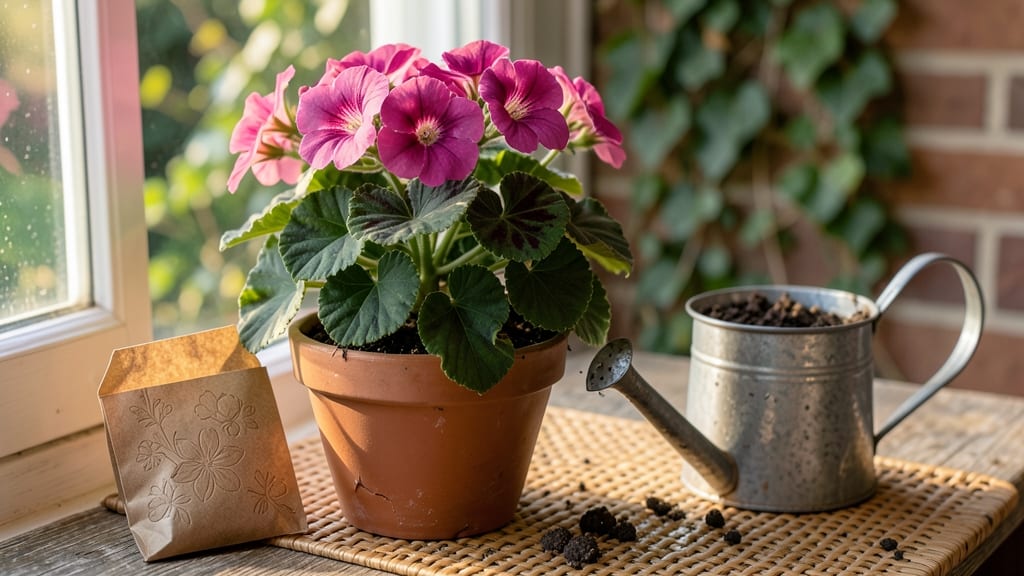
Mastering seed geranium care means fragrant, colorful blooms that last all summer—without the fuss of buying pricey nursery plants. 🌸 I've nurtured dozens of seedlings, and the secret is simple: patience during germination, bright light, and a consistent routine.
Most beginners overwater or crowd the seedlings, but with the right approach, you'll have bushy plants bursting with flowers by June.
The real magic happens in the first 4-6 weeks—when tiny sprouts push through the soil and need gentle care. Start with a well-draining mix, plant seeds just 1/8 inch deep, and keep the soil barely moist (not soggy).
A sunny windowsill or grow light is non-negotiable; weak seedlings stretch toward any available light. Once they have 2-3 true leaves, it's time to transplant them into individual pots.
By mid-summer, your geraniums will reward you with nonstop blooms if you pinch back leggy growth and feed them every 4-6 weeks with a balanced fertilizer. The key is to avoid overcrowding—space plants 8-12 inches apart—and deadhead spent flowers to encourage even more blooms.
These plants thrive in USDA zones 10-11, but with proper winter care, you can even coax them through cooler months indoors.
Here's the best part: geraniums self-seed easily, so you'll have new volunteers popping up every spring. The only real challenge is keeping them from flopping over—staking or pruning keeps them compact and flowering like crazy. Ready to grow your own? Let's get those seeds started!
📚 In This Guide
- What you need
- Instructions
- Tips and common mistakes
- Wrapping up and next steps
What you need
- ● Seed geranium seeds – Choose Pelargonium varieties (e.g., zonal, ivy, or regal). Start with 5-10 seeds for a small patch or 20-30 seeds for a fuller display.
- ● Seed-starting trays or small pots – Use biodegradable pots (3-4 inches deep) or cell packs (2-3 inches deep) for easy transplanting. 5-10 trays should suffice for beginners.
- ● Seed-starting mix – A lightweight, sterile potting mix (look for labels like "seed-starting" or "cactus/succulent mix" for drainage). 1-2 bags (1-2 cubic feet each) will cover most setups.
- ● Grow lights or sunny windowsill – Seedlings need 12-16 hours of light daily. A full-spectrum LED grow light (12-24 inches above seedlings) works wonders if natural light is limited.
- ● Misting bottle or spray nozzle – Keeps seeds moist without drowning them. A 16-ounce spray bottle is perfect.
- ● Plastic wrap or humidity dome – Creates a mini greenhouse to retain moisture. A clear plastic wrap or humidity lid for trays does the trick.
- ● Fertilizer (balanced or low-nitrogen) – Use a water-soluble fertilizer (e.g., 10-10-10 or 5-5-5) once seedlings sprout. 1 small bottle (8-16 oz) is enough to start.
- ● Trowel or small hand shovel – For transplanting seedlings into larger pots or garden beds. A miniature trowel (4-6 inches) is ideal.
- ● Larger containers or garden bed – Once seedlings are 3-4 inches tall, move them to 6-inch pots or a well-draining garden bed with 6+ hours of sunlight daily.
- ● Heating mat – Speeds up germination (especially in cool climates). A seedling heat mat (set to 70-75°F) works well.
- ● pH testing kit – Ensures your soil is 6.0-7.0 pH (geraniums prefer slightly acidic to neutral soil).
- ● Organic mulch (e.g., straw or pine needles) – Retains moisture and suppresses weeds in garden beds.
- ● Pruning shears – For pinching back leggy seedlings or deadheading spent blooms to encourage more flowers.
- ● Self-watering planters – Reduces fuss for busy gardeners (great for containers!).
- ● Label markers – Helps track varieties, especially if growing multiple types.
Step-by-Step guide to growing thriving geraniums from seed
Here's how to coax those tiny geranium seeds into bold, blooming plants that reward you with color all season long.
🌱 Step 1: Start Seeds Indoors with Warmth and Light
Sow geranium seeds in 2-3 inch deep seed trays filled with sterile seed-starting mix. Scatter seeds lightly on the surface—geranium seeds need light to germinate, so don't bury them. Press them gently into the soil with your fingertip, just enough to make contact. Moisten the soil with a fine mist until it's damp but not soggy, then cover the tray with plastic wrap to retain warmth and humidity.
Place the tray in a warm spot, ideally 70-75°F, which speeds germination significantly. A seedling heat mat works wonders here—without it, germination can take 3-4 weeks instead of the usual 10-14 days. Keep the soil consistently moist by misting daily, but avoid overwatering, which causes seeds to rot before they sprout. Once you see tiny green sprouts, remove the plastic wrap immediately to prevent fungal growth.
☀️ Step 2: Provide Bright, Indirect Light for Strong Seedlings
Geranium seedlings need 12-14 hours of bright light daily to prevent leggy growth. Place them under grow lights or in the brightest window you have, ideally a south-facing one. If you notice seedlings stretching toward the light with pale stems, they're not getting enough intensity. Adjust the lights to stay 2-3 inches above the plants—too close causes burning, too far away encourages weak stems.
Rotate the trays a quarter turn daily so seedlings grow straight instead of leaning toward the light source. You'll see sturdy, compact growth when leaves are dark green and spaced closely along the stem. Fertilize lightly with a balanced liquid fertilizer (5-5-5) at half strength when seedlings have their second set of true leaves—this jumpstarts their development without overwhelming tender roots.
🪴 Step 3: Transplant to Individual Pots for Better Growth
When seedlings reach 2-3 inches tall and have 4-5 true leaves, transplant them into 3-4 inch pots filled with well-draining potting mix. Gently loosen the roots with your fingers before placing each seedling in its own pot—geraniums resent root disturbance. Press the soil lightly around the base to secure the plant, but don't compact it too much. Water thoroughly after transplanting to help the soil settle and eliminate air pockets.
Place the pots in a sunny spot where they'll get at least 6 hours of sunlight daily. Geraniums thrive in full sun, but young plants need to acclimate gradually. If you're moving them outdoors, start with 2-3 hours of morning sun and increase exposure over 7-10 days. Watch for new growth—this signals the plant is adjusting well. Pinch back the tips of leggy seedlings to encourage bushier growth; this is the moment they start looking like the geraniums you love.
✂️ Step 4: Maintain Through the Growing Season
Once geraniums are established, water when the top inch of soil feels dry—they prefer slightly dry conditions over soggy roots. Deadhead spent blooms regularly by pinching off the flower stems just above a set of leaves. This encourages continuous blooming and prevents the plant from putting energy into seed production. I do this every 2-3 days during peak bloom time, and the plants reward me with nonstop color.
Fertilize every 4-6 weeks with a balanced fertilizer during the growing season. Geraniums are light feeders, so too much fertilizer leads to lush foliage but fewer blooms. In late summer, reduce watering slightly to prepare plants for dormancy. If you're growing geraniums as annuals, they'll keep blooming until frost. For perennials, cut back growth by half in fall and move pots to a cool, dry spot for winter storage.
Tips & tricks for growing thriving geraniums from seed
Here's what nobody tells you about growing geraniums from seed—these little details make all the difference between struggling seedlings and plants that bloom like crazy.
Lighting Strategy: If your windows aren't bright enough for the required 12-14 hours of light daily, supplement with LED grow lights on a timer. I use a simple plug-in timer set to 14 hours—this mimics summer daylight perfectly. Position lights 2-3 inches above seedlings and adjust as they grow to prevent burning. Watch for leaves turning toward the light; if they do, rotate the tray daily to encourage even growth.
Heat Mat Hack: That 70-75°F temperature range in Step 1 isn't just ideal—it's critical. Without a heat mat, your seeds might take 3-4 weeks to germinate instead of the usual 10-14 days. I place my seed trays on a basic 10-watt heat mat under my kitchen counter, and germination happens in about 12 days. The moment you see sprouts, remove the plastic wrap immediately—condensation creates the perfect environment for fungal growth, which can wipe out your seedlings overnight.
Transplanting Timing: When your seedlings reach 2-3 inches tall with 4-5 true leaves, they're ready for their first transplant. Gently loosen the roots with your fingers—geraniums hate being yanked from their soil. I use a small butter knife to carefully lift each seedling from the tray, which minimizes root damage. After transplanting into 3-4 inch pots, water thoroughly and place them in a shaded spot for 24 hours to reduce transplant shock before moving to full sun.
Deadheading Discipline: That 2-3 days between deadheadings in Step 4 isn't just a suggestion—it's a game-changer. I set a phone reminder during peak bloom time because skipping even one cycle can lead to fewer flowers. Use your thumb and forefinger to pinch stems cleanly just above a set of leaves. The plant will respond with fresh blooms within 7-10 days, and you'll have continuous color all season. This simple habit prevents geraniums from wasting energy on seed production.
Pro Tips for Seed Geranium Care
- Here's what nobody tells you about growing geraniums from seed—these little details make all the difference between s...
- Lighting Strategy: If your windows aren't bright enough for the required 12-14 hours of light daily, supplement with ...
- Heat Mat Hack: That 70-75°F temperature range in Step 1 isn't just ideal—it's critical. Without a heat mat, your seed...
Frequently asked questions
Got questions about keeping your seed geraniums happy and blooming? You’re not alone! Here are answers to the most common concerns—so you can enjoy lush, vibrant flowers without the guesswork.
How often should I water seed geraniums?
Water geraniums when the top inch of soil feels dry—usually every 2–3 days in hot weather, but less in cooler months. Overwatering is the #1 killer, so always check soil moisture before adding more. Pro tip: Use well-draining pots or soil to prevent soggy roots!
When do seed geraniums bloom, and how can I encourage more flowers?
Most seed geraniums bloom 6–8 weeks after planting, but deadheading (snipping spent blooms) keeps them flowering all season. For extra blooms, fertilize lightly with a balanced, water-soluble fertilizer every 4–6 weeks. Bonus: Pinch back leggy stems in spring to promote bushier growth!
What pests should I watch for, and how do I treat them?
Geraniums attract aphids, spider mites, and whiteflies. Start with a strong spray of water to knock off pests, then use neem oil or insecticidal soap for stubborn infestations. Preventative tip: Keep plants healthy with good airflow and regular pruning to deter pests!
Can seed geraniums survive winter outdoors?
Most seed geraniums are annuals, but hardy varieties (like cranesbill geraniums) may return if protected. For tender types, dig up pots and move them indoors near a sunny window or store seeds for next year. Winter hack: Mulch container bases to insulate roots!
Are seed geraniums toxic to pets?
Yes, geraniums contain geraniol and other compounds that can cause stomach upset or skin irritation in pets if ingested. Keep them out of reach of curious cats and dogs, or opt for pet-safe alternatives like calendula or marigolds if needed. Safety note: Watch for drooling, vomiting, or lethargy and contact a vet if symptoms appear.
Wrapping up and next steps
Caring for seed geraniums is a rewarding journey that brings vibrant color and life to your garden with minimal effort! With the right soil, sunlight, and occasional attention, these hardy plants will thrive and bloom beautifully year after year.
Whether you're a seasoned gardener or just starting out, these tips make it easy to enjoy stunning, fuss-free flowers that brighten up any space.
Now that you’re armed with the knowledge, take the next step—grab your seeds, prepare your soil, and watch your geraniums flourish! 🌸 Plant with confidence, and soon you’ll be enjoying a garden that’s as lively as it is low-maintenance.