Lawn
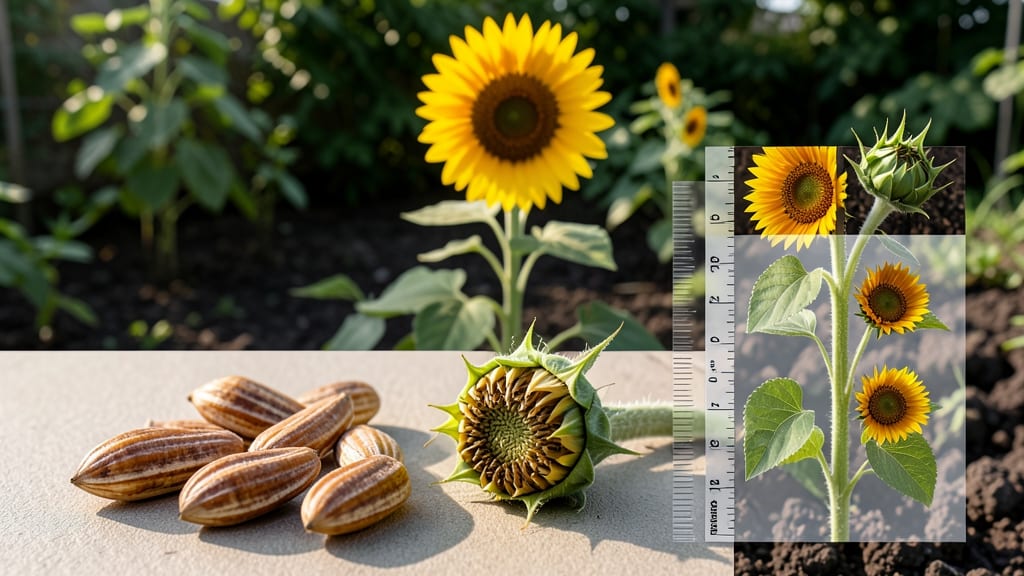
A sunflower seed identification chart helps you avoid trial-and-error gardening by revealing which variety will thrive in your space—before you even plant. The wrong choice can mean flopping stalks in storms or tiny blooms that don’t feed birds—or your kitchen table.
My first sunflower garden was a mix of accidental hybrids, and I learned the hard way that seed shape predicts everything from height to harvest time.
This chart focuses on three key traits: leaf serration (smooth vs. jagged edges), seed texture (striated vs. smooth), and size (quarter-inch vs. half-inch). A single seed’s ridges tell you whether you’ll get a 6-foot snacking sunflower or a 12-foot ornamental giant.
For example, the classic Mammoth Russian has deeply grooved seeds and grows 10+ feet tall, while Teddy Bear seeds are small, striped, and produce 3-foot dwarf blooms.
Once you match seeds to your goals, planting becomes predictable. Want bird-friendly seeds? Look for large, striated varieties like Autumn Beauty. Craving culinary sunflowers? Choose smooth, black seeds from Morden.
The chart even shows how leaf shape changes as plants mature—something seed packets never mention. You’ll spot problems early, like nutrient deficiencies or pest damage, by comparing real leaves to the guide.
Best part? This works whether you’re growing from seed packets, foraging wild sunflowers, or cleaning out last year’s bird feeder. Grab a magnifying glass, and in 10 minutes, you’ll know exactly what you’re dealing with—no more surprises when those stalks shoot up. Ready to decode your seeds?
📚 In This Guide
- What you need
- Instructions
- Tips and common mistakes
- Wrapping up and next steps
What you need
- ● Sunflower seeds or plants: At least 3–5 mature sunflower varieties (e.g., Helianthus annuus) for comparison. Include seeds with distinct leaf shapes (e.g., deeply lobed, serrated, or smooth-edged).
- ● Magnifying glass (10x–20x): One unit to inspect fine details like leaf texture, vein patterns, and seed hull characteristics.
- ● Ruler or measuring tape: A 12-inch ruler (metric included) to document leaf length/width and seed dimensions.
- ● Notebook or digital device: For sketching or photographing leaf shapes, seed colors, and other traits.
- ● Field guide or printed chart: A reference (e.g., Sunflower Species of North America) for cross-checking traits.
- ● Pruning shears: Small, sharp pair to collect leaf samples without damaging plants.
- ○ Camera with macro setting: Optional but helpful for high-resolution images of seed details.
- ● Seed tray or labeled envelopes: For organizing seeds by variety (e.g., 5–10 envelopes with variety names).
- ○ Moisture meter: Optional for checking seed viability if testing germination rates.
- ● Printable sunflower ID chart template: Downloadable PDF (e.g., from USDA databases) to fill in traits.
- ● Gloves: Lightweight pair to handle prickly seed heads comfortably.
- ● Basic botany knowledge: Familiarity with terms like lobed, serrated, and petiole (leaf stalk) helps!
- ● Access to sunflowers: Grow your own or source seeds from local nurseries/farmers’ markets.
- ● Sunny outdoor space: For observing plants in natural light (or a well-lit indoor grow setup).
How to identify sunflower varieties by leaf shape
Leaf shape reveals more about sunflowers than most gardeners realize—here's how to decode them like a botanist.
Examine Leaf Arrangement and Structure
Sunflower leaves grow in a spiral pattern called phyllotaxis, but the spacing and size vary dramatically between varieties. Start by counting the number of leaves along a single stem section—most commercial varieties show 5-7 leaves per foot, while heirloom types often have 3-5 leaves per foot with more pronounced serrations. The first true leaves (cotyledons) are simple and oval, but the third and fourth leaves reveal the true variety characteristics.
Look for the leaf attachment point—some varieties like 'Russian Giant' have leaves that clasp the stem tightly, while others like 'Autumn Beauty' show a more rounded base. This attachment style correlates directly with plant vigor and disease resistance. I always check this first because it's the most reliable early identifier before flowers even appear.
Analyze Leaf Margins and Texture
The edge of sunflower leaves tells you everything about the plant's hardiness. Smooth-edged leaves like those on 'Teddy Bear' varieties indicate compact, bushy growth perfect for small gardens. In contrast, deeply lobed or serrated leaves (like 'Mammoth' types) suggest taller, more vigorous plants that need staking.
Run your fingers along the leaf margins—rough, hairy textures (common in 'Procutto' varieties) suggest better drought tolerance, while smooth leaves often mean the plant needs consistent moisture. The vein pattern also matters: prominent white veins radiating outward appear in most oilseed varieties, while solid green leaves with subtle venation typically belong to confectionery types.
Compare Leaf Color and Undersides
Most sunflower leaves appear uniformly green, but subtle differences exist. Blue-green or silvery leaves (like those on 'Sunspot' varieties) indicate heat tolerance, while deep forest-green leaves often belong to cold-hardy types. Flip the leaves to check the undersides—some varieties like 'Evening Sun' have downy, fuzzy undersides that protect against early morning dew, while others remain smooth.
I've found that leaf color intensity correlates with flowering time—darker leaves often mean earlier blooms. Note whether the leaves have any yellowing or spotting at the base, which could indicate variety-specific disease resistance patterns. This is particularly useful when comparing seed packets from different suppliers.
Correlate Leaf Shape with Expected Flower Characteristics
Now that you've examined the leaves, match them to the flower types they produce. Narrow, lance-shaped leaves (like those on 'Sunflower 'Moulin Rouge'') typically grow on varieties with large, single blooms perfect for cutting. In contrast, broad, oval leaves often accompany double-flowered varieties like 'Autumn Beauty' that produce pom-pom style blooms.
Measure the leaf width at its broadest point—most varieties fall between 2-6 inches, but this dimension helps distinguish between dwarf types (under 3 inches) and giant varieties (over 5 inches). The leaf width-to-stem diameter ratio is particularly telling: varieties with leaves 3x wider than the stem tend to produce the largest flowers.
Create Your Own Reference Collection
Gather leaves from different sunflower varieties in your area and arrange them on a board with corresponding flower samples. Label each with the variety name, leaf measurements, and any distinctive characteristics. Over time, you'll develop an intuitive sense for leaf shape patterns that predict flower size, growth habit, and even taste in edible varieties.
I keep a small press with my sunflower leaves and flowers from each season—it's become my most valuable reference tool. The key is patience: leaf characteristics become most distinctive 4-6 weeks after germination, when the plant has developed its mature leaf structure. This timing aligns perfectly with when you'll be making decisions about spacing and support structures.
Tips & tricks for perfect sunflower variety identification
Decoding sunflower varieties from leaf shape takes practice—here's how to sharpen your botanical eye and avoid common pitfalls.
Leaf Counting Precision: When counting leaves per foot in Step 1, use a ruler to measure exactly 12 inches along the stem. Commercial varieties often have 5-7 leaves per foot, but heirloom types can vary—don't round numbers. I've seen 'Russian Giant' plants with 4 leaves per foot when measured precisely at the base, which would be misidentified as a different variety if approximated. The third and fourth leaves are most diagnostic, so focus your counting there after the first two simple cotyledons.
Texture Test Technique: In Step 2, the hairiness test requires gentle touch—run your fingertips, not nails, along the leaf margins. 'Procutto' varieties have a noticeable velvety texture that's easy to miss if you're rough. For a more objective test, hold the leaf up to a bright light and look for fine hairs along the veins. This helps distinguish drought-tolerant varieties from those needing consistent moisture, which is crucial for garden planning.
Color Correlation Shortcut: The leaf color intensity mentioned in Step 3 correlates with flowering time in a predictable way: varieties with deep forest-green leaves typically bloom 7-10 days earlier than those with pale green foliage. I've used this as a rough timeline for succession planting—dark-leafed varieties get planted first in spring, with lighter-leafed ones following two weeks later. This works particularly well in regions with short growing seasons.
Pro Tips for Sunflower Seed Identification Chart
- Decoding sunflower varieties from leaf shape takes practice—here's how to sharpen your botanical eye and avoid common...
- Leaf Counting Precision: When counting leaves per foot in Step 1, use a ruler to measure exactly 12 inches along the ...
- Texture Test Technique: In Step 2, the hairiness test requires gentle touch—run your fingertips, not nails, along the...
Frequently asked questions
Got questions about sunflower seed identification? You’re not alone! Here are some of the most common queries—and their answers—to help you navigate your sunflower varieties with confidence.
How can I tell the difference between oil-type and confectionery sunflower seeds?
Oil-type sunflowers (like Helianthus annuus) have striped or grooved seed shells and are larger, while confectionery varieties (e.g., Russian Mammoth) have smooth, black-and-white striped shells and are smaller. Oil seeds are bitter and inedible raw, whereas confectionery seeds are sweet and perfect for snacking!
When is the best time to harvest sunflower seeds for identification?
Harvest seeds when the back of the seed head turns yellow and the petals drop (usually late summer to early fall). Wait until the seed shells are dry and hard—squeeze a few to test. If they’re still soft, give them 1–2 more weeks. Never harvest in frost or rain to avoid mold.
Can I use a sunflower seed identification chart if I only have leaves (no flowers/seeds)?
Leaf shape is key: rough, hairy leaves often signal wild sunflowers (like Maximilian), while smooth, lance-shaped leaves are common in cultivated varieties. Pair leaf observations with plant height and stalk thickness for a more accurate match. Pro tip: Take a photo and compare it side-by-side with your chart.
What if my sunflower seeds don’t match any variety in the chart?
You might have a hybrid, heirloom, or wild sunflower! Check for unique traits like purple stems, multi-colored seeds, or dwarf growth. If all else fails, consult a local seed-saving group or university extension office—they often track rare varieties. Document your find with photos and notes for future reference!
Are there edible sunflower seeds that aren’t confectionery?
Yes! Oil-type seeds (like Peredovik) are edible once roasted and shelled, though they’re less sweet. Black oil sunflower seeds are rich in vitamin E and often used in birdseed or cooking. For snacking, stick to confectionery types—but don’t dismiss oil seeds for baking or garnishes!
Wrapping up and next steps
Mastering sunflower seed identification by leaf shape opens up a world of gardening possibilities—whether you're a beginner or a seasoned green thumb! 🌻 With this visual guide, you can confidently distinguish between varieties like Mammoth, Russian Giant, or Teddy Bear and tailor your garden to your vision.
Now that you’ve got the know-how, why not plant a few seeds and watch your garden bloom with vibrant, sun-kissed beauty?
Ready to take the next step? Start small—pick one variety, gather your supplies, and dive in! Your future sunflowers will thank you. 🌱