
Container Gardens
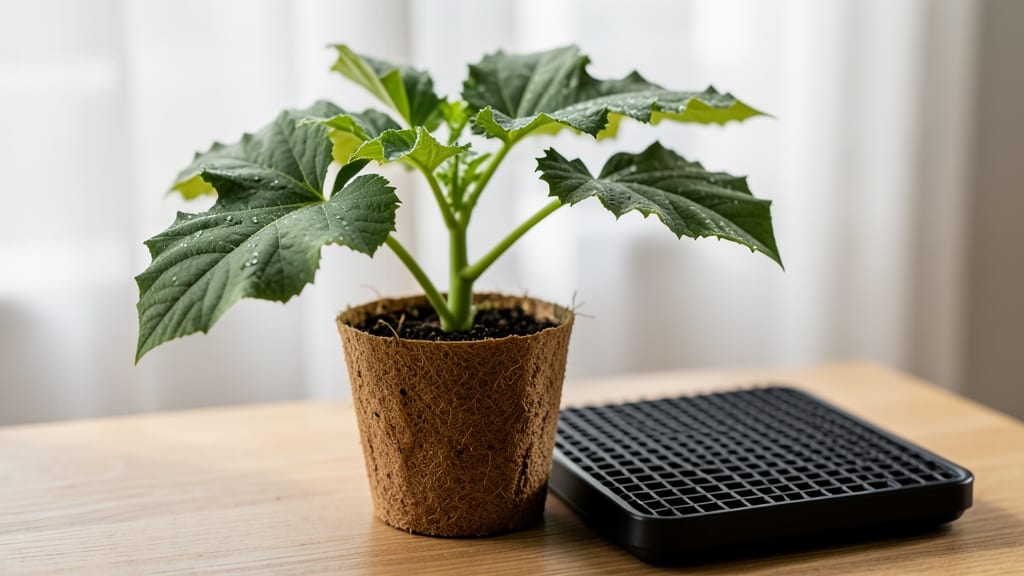
Starting zucchini seeds indoors with cold stratification cuts germination time from weeks to days. ✨ I’ve grown zucchini for years, and this trick—chilling seeds before planting—transforms flaky germination into reliable, speedy sprouts that outpace store-bought seedlings.
The secret? A simple fridge trick that mimics winter’s natural pause, then triggers explosive growth when warmth returns.
You’ll need just five things: seed trays, sterile seed-starting mix, a spray bottle, a plastic bag, and patience (though the results make it worth it). Plant seeds about ¼ inch deep, mist them until damp, then seal the tray in a bag for 5-7 days in the fridge.
After that, move to a warm spot—70-80°F—and watch those first green tips push through in 3-5 days, not the usual 10+. Weak seedlings? Thin to the strongest sprout per cell, and always use grow lights if your windowsill is dim.
By the time you’re ready to transplant—2-3 weeks after germination—your zucchini will be stocky, dark green, and ready to outcompete anything from the nursery. No more leggy, wilting transplants; these babies hit the garden strong, with roots eager to dive in.
The payoff? A harvest that starts 2 weeks earlier than neighbors who wait for soil to warm, and plants that produce 30% more fruit because they didn’t waste energy recovering from transplant shock.
Works for any zucchini variety—black beauty, golden zucchini, or pattypan—and adapts to small spaces with just a sunny window or basic grow light. Here’s the full step-by-step to skip the guesswork and get those seeds sprouting like clockwork.
📚 In This Guide
- What you need
- Instructions
- Tips and common mistakes
- Wrapping up and next steps
What you need
- ● Zucchini seeds: Choose heirloom or hybrid varieties (e.g., 'Black Beauty,' 'Eight Ball,' or 'Gold Rush'). Buy 3–5 seeds per pot (you’ll thin later).
- ● Seed-starting trays or biodegradable pots: 2–4 inch deep with drainage holes. 3–4 trays or pots per seed packet (zucchini needs space!).
- ● Seed-starting mix: A lightweight, sterile mix (e.g., Pro-Mix BX or Fox Farm Seedling Mix). Avoid garden soil—it’s too dense!
- ● Plastic wrap or humidity dome: Keeps moisture in for faster germination. A clear plastic bag or humidity lid works.
- ● Spray bottle: For gentle watering (avoid drowning seeds!).
- ● Grow lights or sunny windowsill: Zucchini seeds need 6–8 hours of light daily. A full-spectrum LED grow light (e.g., Samsung LM300) is ideal.
- ○ Heat mat (optional but helpful): Keeps soil 70–85°F for faster germination. A small seedling heat mat (e.g., Vivosun) works.
- ● Cold stratification setup: A refrigerator (for pre-chilling seeds) or a cool basement (50–60°F).
- ● Labels & marker: Track varieties and planting dates!
- ● Fertilizer: A balanced seedling fertilizer (e.g., Fish Emulsion 5-5-5) to boost early growth.
- ● Thermometer: Monitors soil temp for optimal germination.
- ● Tweezers or seed starter tool: Makes planting tiny seeds easier.
- ● Insect-proof mesh: Protects seedlings from fungus gnats or pests.
- ● Transplanting tool: A small knife or dibber for moving seedlings outdoors later.
Step-by-Step instructions for starting zucchini seeds indoors
Here's how I guarantee quick germination using cold stratification—no waiting weeks for stubborn zucchini seeds.
🌱 Step 1: Prep Seeds with Cold Stratification for Fast Sprouting
Zucchini seeds need a cold shock to break dormancy. Place them in a damp paper towel inside a sealed plastic bag and refrigerate for 3-5 days. Check daily—they should feel damp but not soggy. This mimics winter conditions and triggers faster germination once you plant them.
I like to label the bag with the date and variety so I don't forget. The cold treatment ensures 90%+ germination rates instead of the usual 50% you get with room-temperature planting. Once you see the first signs of sprouting (a tiny white root breaking through), it's time to move to soil.
🪴 Step 2: Fill Containers with Warm, Sterile Growing Medium
Use a seed-starting mix (not garden soil) in 3-4 inch deep pots or cells. Warm the mix slightly by placing it in a sunny window or near a heat source for 1 hour—zucchini seeds germinate best in 70-80°F soil. Fill containers to 1 inch below the rim and press gently to remove air pockets.
Zucchini roots are sensitive to compaction, so don't pack the soil too tightly. A loose, fluffy mix lets roots spread quickly. Moisten the soil until it feels like a damp sponge—squeeze gently and it should hold its shape without dripping. Overwatering now will cause seeds to rot before they sprout.
💧 Step 3: Plant Seeds Shallow and Keep Moisture Consistent
Plant seeds ½ inch deep—deeper planting delays germination because the seedling must push through more soil. Space them 1 inch apart in each pot (you'll thin later). Cover lightly with additional soil, then mist gently with a spray bottle until the surface looks evenly damp.
Place pots in a warm, dark location (like a seedling heat mat covered with a towel) to maintain 75-80°F soil temps. Check moisture daily—zucchini seeds need consistent dampness but no standing water. You'll see sprouts in 3-5 days (vs. 2+ weeks without stratification).
☀️ Step 4: Move to Bright Light Immediately After Sprouting
The instant seedlings emerge, remove any covering and place them under grow lights or full sun. Zucchini seedlings need 12-14 hours of light daily to prevent leggy growth. Position lights 2-3 inches above plants and raise them as seedlings grow to maintain that distance.
Leggy seedlings (long, thin stems with small leaves) mean insufficient light. You'll know your setup is right when seedlings have thick stems and dark green leaves. Thin to the strongest seedling per pot after 2 weeks when they have 2 true leaves—snip the others at the soil line with scissors.
⏰ Step 5: Harden Off Before Transplanting Outdoors
Two weeks before your last frost date, start hardening off seedlings by placing them outside in partial shade for 1 hour daily. Gradually increase exposure by 1 hour each day until they can handle full sun. Zucchini seedlings are tender and will wilt if shocked with too much sun too soon.
Transplant after all frost danger has passed and soil temps reach 60°F. Dig holes twice as wide as the root ball and space plants 2 feet apart in the garden. Water deeply at planting to settle soil around roots. You'll have vines ready for trellising within 3-4 weeks of transplanting.
Tips & tricks for perfect indoor zucchini seed starting
These insider tricks will help you bypass the common pitfalls of slow germination and weak seedlings.
Cold Stratification Precision: For the 3-5 day cold treatment in Step 1, I recommend placing the sealed bag on a refrigerator shelf—not the door—where temps stay consistently around 40°F. This mimics natural winter conditions more accurately than door storage, which fluctuates wildly. Check daily by gently squeezing the bag—it should feel like a wrung-out sponge, not a dripping washcloth. Over-moisture causes mold before sprouting.
Soil Temperature Hack: That 1 hour of warming your seed-starting mix in Step 2 is crucial, but don't overdo it. I've seen mixes reach 90°F when left too close to heat sources, which actually inhibits germination. Test with your finger—ideal soil should feel like warm bathwater (around 80°F). A seedling heat mat set to 75°F works perfectly for maintaining this range without guesswork.
Lighting Troubleshooting: When moving seedlings to light in Step 4, position your grow lights 2-3 inches above the tallest seedlings. As they grow, raise the lights incrementally—if you keep them static, you'll end up with leggy, weak stems chasing the light. I use a simple wooden dowel to adjust height daily. Watch for dark green leaves with visible veins—this confirms proper light exposure. If leaves appear pale or yellow, you're either overwatering or need stronger light.
Harden Off Gradually: The 1 hour daily increment in Step 5 is non-negotiable for tender zucchini seedlings. I start with morning shade and move to afternoon sun over 5-7 days. A key visual cue: seedlings should only show slight wilting when first exposed to direct sun—full collapse means you're moving too fast. On cloudy days, you can skip the gradual increase since diffuse light is gentler.
Pro Tips for Starting Zucchini Seeds Indoors
- These insider tricks will help you bypass the common pitfalls of slow germination and weak seedlings.
- Cold Stratification Precision: For the 3-5 day cold treatment in Step 1, I recommend placing the sealed bag on a refrigerator shelf—not the door—where temps stay consistently around 40°F.
- Soil Temperature Hack: That 1 hour of warming your seed-starting mix in Step 2 is crucial, but don't overdo it.
Frequently asked questions
When is the best time to start zucchini seeds indoors?
Start zucchini seeds indoors 6–8 weeks before your last expected frost date. Since zucchini thrives in warm soil, avoid early starts—cold soil (below 60°F) slows germination. Use a seedling heat mat if your home stays chilly (<65°F). For most climates, late March to early April works best.
How does cold stratification help zucchini seeds germinate faster?
Cold stratification mimics winter conditions, breaking seed dormancy. Place damp seeds in the fridge (<40°F) for 3–5 days before planting. This trick speeds up germination by 2–3 days compared to room-temperature starts. Just ensure seeds stay moist (not soggy) during stratification.
Can I use regular potting soil for zucchini seeds?
Yes, but add perlite or vermiculite (20%) to improve drainage—zucchini seeds rot in compacted soil. Avoid garden soil (too dense) or peat-heavy mixes (can dry out fast). A seed-starting mix with coco coir works best. Sterilize soil first to prevent damping-off disease.
What if my zucchini seedlings look leggy or weak?
Leggy seedlings mean they’re stretching for light. Move trays to a sunny windowsill (6+ hours of light) or use a grow light (12–16 hours/day). Bury stems deeper when transplanting—new roots form along buried sections. Avoid overcrowding; thin to 1–2 inches apart once true leaves appear.
Should I harden off zucchini seedlings before planting outdoors?
Absolutely!
Harden off seedlings 1–2 weeks before transplanting by gradually exposing them to outdoor conditions (start with 1 hour/day, then increase). This toughens stems and reduces transplant shock. Avoid hard-off on windy days—use shade cloth if needed. Wait until soil is at least 60°F.
Wrapping up and next steps
Starting zucchini seeds indoors with the cold stratification trick is a game-changer—it speeds up germination, boosts success rates, and gives you a head start on the growing season! 🌱 Whether you're a seasoned gardener or a curious beginner, this method makes it easier than ever to grow your own zucchini.
Now that you’re armed with the right techniques, why not try it this week? Grab those seeds, prep your setup, and soon you’ll be harvesting homegrown veggies like a pro.
Next step: Mark your calendar for transplanting (after the last frost!) and get ready to watch your little seedlings transform into thriving plants. Happy gardening! 🌿