
Plants
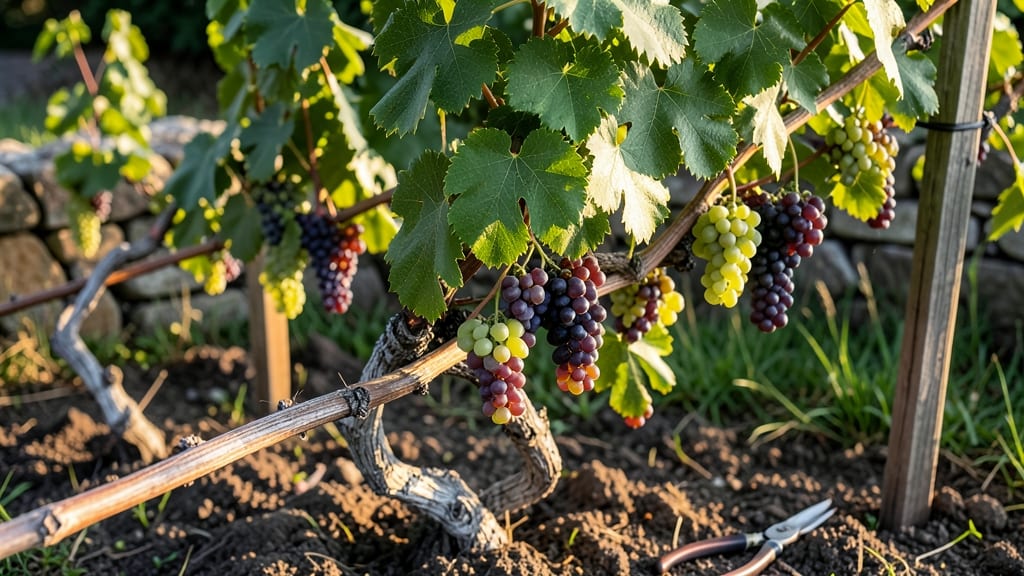
Growing Somerset seedless grapes means sweet, juicy clusters that thrive even in cooler climates—no more soggy, seedy store-bought grapes. 🌱 I planted my first vine three years ago after struggling with heat-sensitive varieties, and now it’s the star of my backyard, producing reliable harvests every fall.
The secret isn’t fancy equipment but matching this cold-hardy vine to the right site and care routine.
These grapes love full sun—at least 6 hours daily—but they’re tougher than most, handling temperatures down to 15°F without protection.
Well-draining soil rich in organic matter (think compost or aged manure) keeps roots happy, while a sturdy trellis or arbor gives vines room to climb and air to circulate. Water deeply once a week, but cut back in late summer to sweeten the fruit.
Pruning in late winter is key: remove dead wood first, then thin out crowded canes to improve airflow. By summer, you’ll see lush green leaves and those signature dark purple-black grapes forming—each bite is seedless, crisp, and bursting with flavor.
The best part? These vines get more productive each year with proper care.
Watch for powdery mildew in humid summers (neem oil helps) and Japanese beetles (handpick them early). Harvest when grapes detach easily from the stem—usually late August to September—and enjoy fresh or make jam. With patience, you’ll have grapes so sweet, neighbors will ask for cuttings.
📚 In This Guide
- What you need
- Instructions
- Tips and common mistakes
- Wrapping up and next steps
What you need
- ● Somerset Seedless grape vine: 1-2 bare-root plants (dormant season) or potted vines (spring/summer). Choose certified disease-resistant varieties from reputable nurseries.
- ● Growing location: Sunlight: 6+ hours of direct sun daily (south-facing walls or trellises ideal).
- ● Space: 10–15 feet wide for mature vines (or 8–10 feet for espalier training).
- ● Climate: USDA Zones 5–9 (cold-hardy to -15°F/-26°C).
- ● Soil: Well-draining, slightly acidic to neutral (pH 6.0–7.0). Amend heavy clay with compost or sand (1–2 inches mixed into top 12 inches of soil).
- ● Trellis or support system: Arbor or pergola: 8–10 feet tall (for standard vines).
- ● T-posts + wire: 4–6 posts (6 feet tall) with 3–4 horizontal wires (spaced 18–24 inches apart).
- ○ Espalier panels: Optional for small spaces (use sturdy wooden frames).
- ● Mulch: 2–3 inches of organic mulch (straw, wood chips, or pine needles) to retain moisture and regulate soil temp.
- ● Hand trowel or transplant spade (for digging holes).
- ● Grafting knife or pruning shears (sterilized with rubbing alcohol).
- ● Garden hose or watering can (with a drip irrigation nozzle for gentle watering).
- ● Soil pH test kit (to adjust acidity if needed).
- ● Fertilizer: Balanced fertilizer (10-10-10) at planting (follow label rates).
- ● Compost or aged manure (1–2 gallons mixed into planting hole).
- ● Pruning twine or zip ties (for training young vines).
- ● Drip irrigation system (automates watering and saves time).
- ● Frost cloth or row covers (for early/late-season protection).
- ● Vine borer traps (to monitor pests early).
- ● Garden journal (track pruning, harvest dates, and vine health).
- ● Grapevine fan leaves (for shade during hot afternoons in young vines).
Step-by-step instructions for planting and cultivating Somerset seedless grape vines
Here’s how to establish cold-hardy Somerset seedless grapevines for bountiful, reliable harvests every season.
🌱 Step 1: Select and Prepare the Planting Site
Somerset seedless grapes thrive in full sun (6-8 hours daily) and well-draining soil with a pH of 6.0-7.0. Choose a location sheltered from strong winds, as their vines are delicate when young. I always test soil drainage by digging a 12-inch deep hole—if water pools after 2 hours, amend with 2-3 inches of compost to improve structure.
For cold climates, plant vines against a south-facing wall or fence to maximize winter sun exposure. The wall absorbs heat during the day and radiates it back at night, protecting tender canes from late frosts. If planting in containers, use 5-gallon pots with drainage holes and a grapevine-specific potting mix—regular garden soil compacts too much.
🪴 Step 2: Plant Bare-Root Vines at the Right Time and Depth
Plant bare-root vines in early spring (2-4 weeks before last frost) or late fall (6-8 weeks before first frost) for best establishment. Soak roots in lukewarm water for 2-3 hours before planting to rehydrate them—dry roots struggle to take hold. Dig a trench wide enough to spread roots horizontally without bending them.
Set the vine so the graft union (swollen area near the base) sits 2-3 inches below soil level. This protects it from winter heaving and encourages strong root growth. Backfill with native soil mixed with 1 part compost, tamping lightly to remove air pockets. Water deeply until soil is moist 6 inches down, then mulch with 3-4 inches of wood chips to retain moisture and suppress weeds.
☀️ Step 3: Train and Prune for Cold Hardiness and Productivity
In their first year, prune new vines to 4-6 buds to encourage bushy growth. Somerset seedless grapes benefit from a 4-arm kniffen cordon system—select 4 strong canes and spread them evenly along the trellis. Use soft ties (not wire) to avoid damaging bark as vines thicken. I always prune in late winter (dormant season) to remove dead wood and thin crowded shoots to 1 bud per cane.
In colder zones (below Zone 5), wrap main trunks with burlap or grapevine-specific insulation after the first hard frost. For extra protection, mound 6-8 inches of soil or straw around the base to shield roots. Remove the mound in early spring once temperatures stabilize above 40°F to prevent rot.
💧 Step 4: Water and Fertilize for Consistent Yields
Water deeply once weekly during the first growing season, aiming for 1-1.5 inches of moisture per week. Somerset seedless grapes are drought-tolerant once established, but young vines need consistent moisture to develop strong roots. I check soil moisture by pushing a finger 2 inches deep—if dry, water slowly at the base to avoid wetting leaves (which spreads fungal diseases).
Fertilize in early spring with a balanced 10-10-10 formula, applying ½ pound per 100 square feet. Avoid high-nitrogen fertilizers after flowering, as they promote leafy growth at the expense of fruit. Instead, switch to a low-nitrogen, high-phosphorus (5-10-10) blend to support fruit development. I also side-dress with composted manure in late summer to replenish organic matter.
✂️ Step 5: Harvest and Winterize for Next Year’s Growth
Harvest Somerset seedless grapes when they’re firm, deep purple, and easily detach from the vine—usually late August to early September in most climates. Cut clusters with 4-6 inches of stem to encourage faster healing. I always leave 1-2 clusters unharvested as a guide for next year’s ripening time. Remove all fruit from the vine by mid-October to redirect energy into root and cane development.
Prepare for winter by pruning canes back to 2-3 buds and applying a dormant oil spray to control overwintering pests. In Zone 4 or colder, bury the entire vine in 12 inches of soil or straw for added insulation. Remove the cover in early spring once soil thaws, then prune again to remove any winter-damaged wood. This two-step pruning ensures vigorous regrowth and maximizes fruit production.
Tips & tricks for perfect Somerset seedless grape vine cultivation
These hard-won insights will help you avoid common pitfalls and maximize your grapevine's cold-hardiness and productivity.
Site Selection Wisdom: When testing soil drainage in that 12-inch deep hole, pay attention to how quickly water drains—not just whether it pools. Sandy soils may drain too fast (water disappears in under 30 minutes), while clay soils may take longer than 2 hours. For marginal cases, mix in 1 part perlite to 2 parts compost to strike the perfect balance. The south-facing wall trick works wonders, but ensure it's not too close—vines need 3-4 feet of clearance to avoid overheating in summer.
Root Rehydration Technique: That 2-3 hour soak for bare-root vines is non-negotiable, but here's the secret: use lukewarm water (70-75°F) with a splash of seaweed extract (1 tsp per gallon) to boost root growth hormones. Cold water shocks the roots while hot water can damage delicate tissues. After soaking, gently trim any mushy or blackened roots with clean pruners—healthy roots should be firm and cream-colored.
Winter Protection Strategy: For Zone 4 growers, the 12-inch soil mound is excellent, but I've found adding a 1-inch layer of bubble wrap around the trunk before mounding provides an extra 5-10°F of protection against extreme cold snaps. Remove the bubble wrap in early spring before the soil thaws completely to prevent moisture buildup. In windy areas, consider a windbreak made of straw bales on the north side of the vine—this can add 10°F of protection during winter.
Harvest Timing Secret: Those unharvested clusters you're supposed to leave? Use them as your personal ripening calendar. When they reach the same deep purple color and firmness as your main harvest, you'll know exactly when to expect grapes next year. For containers, harvest slightly earlier than in-ground vines—they tend to ripen 3-5 days sooner due to the warmer root zone. Always harvest on a dry morning to prevent fungal issues.
Pro Tips for Somerset Seedless Grape Vine
- These hard-won insights will help you avoid common pitfalls and maximize your grapevine's cold-hardiness and productivity.
- Site Selection Wisdom: When testing soil drainage in that 12-inch deep hole, pay attention to how quickly water drains—not just whether it pools.
- Root Rehydration Technique: That 2-3 hour soak for bare-root vines is non-negotiable, but here's the secret: use lukewarm water (70-75°F) with a splash of seaweed extract (1 tsp per gallon) to boost root growth hormones.
Frequently asked questions
Got questions about growing your Somerset Seedless grape vine? You’re not alone!
Here are answers to the most common queries—from planting to harvest—so you can grow confidently and troubleshoot like a pro.
How cold-hardy is the Somerset Seedless grape vine, and can it survive winter?
The Somerset Seedless is one of the most cold-hardy table grape varieties, surviving down to -15°F (-26°C) with proper winter protection. In colder zones (5-8), mulch heavily with straw or leaves and wrap the vine in burlap. Prune canes back to 4-6 buds in late winter for extra resilience. Learn more about winterizing.
When is the best time to plant a Somerset Seedless grape vine?
Plant in early spring (after frost danger passes) or fall (6-8 weeks before first frost) for the best root establishment. Avoid planting in summer heat, which stresses young vines. Choose a sunny spot with well-draining soil—amend clay soil with compost to prevent waterlogging. Pro tip: Soak roots in water for 1-2 hours before planting to reduce transplant shock!
How long does it take for a Somerset Seedless grape vine to bear fruit?
With patience, you’ll see your first harvest in 2-3 years! Young vines focus on root and cane growth, but proper pruning (keeping 4-8 buds per cane) and balanced fertilization (high potassium) speed up fruiting. In ideal conditions, established vines yield 5-10 lbs per vine—enough for fresh eating, jams, or sharing!
What pests or diseases should I watch for, and how do I prevent them?
Common threats include:
- Japanese beetles: Handpick or use neem oil early in the season.
- Powdery mildew: Space vines for airflow and spray with baking soda solution (1 tbsp baking soda + 1 quart water + a drop of soap) preventatively.
- Birds: Cover clusters with netting when grapes ripen (they’re irresistible!)
Can I grow Somerset Seedless grapes in containers, or do they need a trellis?
While they thrive best in the ground, you can grow them in large containers (15+ gallons) with a sturdy trellis for support. Use a well-draining potting mix and fertilize monthly during growing season. Trellis tip: Train vines vertically to maximize sunlight and airflow—this also makes harvesting easier! For ground planting, a 4-foot-tall trellis works perfectly.
Are Somerset Seedless grapes good for wine, or just eating fresh?
Primarily grown for fresh eating (thick skin, sweet, and seedless), these grapes have low acidity and mild flavor, making them less ideal for wine than varieties like Concord. However, they’re fantastic for jams, juices, or freezing! For wine grapes, consider hybrids like Valiant or Frontenac—but don’t let that stop you from enjoying your vine’s delicious harvest.
Wrapping up and next steps
Growing a Somerset Seedless grape vine is a rewarding journey that brings sweet, reliable harvests even in cooler climates! With the right care—from selecting cold-hardy rootstock to mastering pruning and pest management—you’ll enjoy juicy, seedless grapes year after year. 🍇
Ready to take the next step? Start by ordering your vine from a trusted nursery or propagating from cuttings. Then, mark your calendar for planting in early spring and prepare to savor the fruits of your labor—literally! 🌱