
Propagation
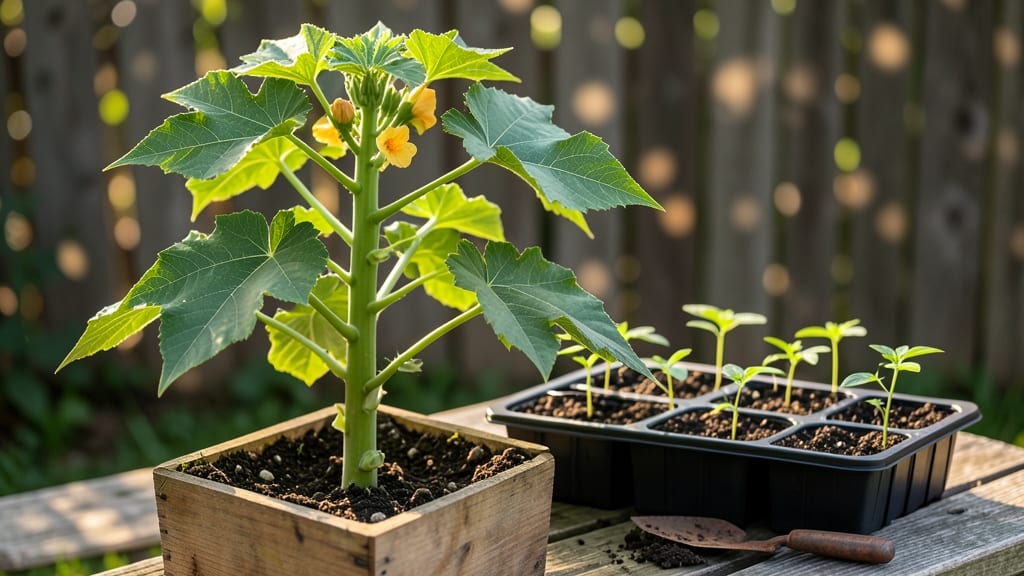
Starting seeds in July isn’t just possible—it’s a fast way to snag fall harvests or vibrant late-season blooms. 🌱 I’ve grown everything from bush beans to zinnias this way, and the key is picking plants that thrive in heat while racing toward cooler weather.
These varieties mature quickly, so you bypass the usual spring-starting wait. The secret lies in fast-maturing crops that tolerate summer heat: think bush beans (50 days), radishes (25 days), or sunflowers (60 days). Soil prep matters—amend with compost to help roots establish fast in warm conditions.
Most need full sun (6+ hours) and consistent moisture, but not soggy soil. By mid-fall, you’ll be harvesting crisp radishes, tender greens, or cutting flowers for bouquets. The plants that make it through July’s heat become your garden’s late-season superstars, outlasting anything planted earlier.
Works in zones 5-10, though adjust timing for early frosts. Here’s the full list of winners—plus how to keep them from bolting before harvest.
📚 In This Guide
- What you need
- Instructions
- Tips and common mistakes
- Wrapping up and next steps
What you need
- ● Seeds: Fast-growing annuals: basil, cilantro, radishes, beans, zucchini, or sunflowers (choose 3–5 varieties).
- ● Hardy annuals: cosmos, marigolds, or snapdragons (1–2 packets per type).
- ● Containers: Seed trays (10–20 cell packs) or biodegradable pots (2–3 inches deep).
- ● Growing Medium: Seed-starting mix (sterile, lightweight blend—1–2 bags, ~1–2 cubic feet).
- ● Watering Tools: Spray bottle (1, for gentle watering).
- ● Watering can (1, with a fine rose attachment).
- ● Light Source: Grow lights: LED or fluorescent (12–16 inches above trays, 1–2 units).
- ● OR Sunny windowsill (south-facing, 6+ hours/day).
- ○ Heat Mat (Optional): For cool climates (1, 70–80°F setting).
- ● Basic Tools: Small hand trowel (1, for transplanting).
- ● Plant labels (20+, or a marker + toothpicks).
- ● Scissors (1, for cutting seed trays or pots).
- ● Fertilizer: Water-soluble, balanced (5-5-5 or 10-10-10—1 small bottle).
- ○ Humidity Dome (Optional): Clear plastic lid (1, to retain moisture).
- ● Outdoor Prep: Garden soil (1–2 bags, amended with compost).
- ○ Mulch (optional, for moisture retention).
Step-by-step guide for starting fast-growing seeds in July
Here's my go-to method for launching quick-turnaround crops when summer heat is peaking.
🌱 Step 1: Select Heat-Tolerant Varieties for Fast Harvests
Focus on succession crops that mature in 30-60 days—radishes, bush beans, turnips, and lettuce varieties labeled "heat-tolerant." I always check seed packets for days to maturity and prioritize anything under 50 days. These varieties thrive in late summer when temperatures dip slightly at night, and they'll give you harvests before frost.
Skip delicate greens like spinach or peppers—they bolt or struggle in July's heat. Instead, opt for black-seeded simpson lettuce or 'Cherry Belle' radishes, which handle warmth better than most. Plant these in partial shade if your climate regularly hits 90°F+ during the day, or use shade cloth to protect seedlings from scorching.
☀️ Step 2: Prepare Soil and Plant in Late Afternoon
Work with moistened soil—July heat dries garden beds quickly, so water deeply the day before planting. I mix in 2 inches of compost to improve moisture retention and add a handful of aged manure for quick nutrient boost. The goal is loose, crumbly soil that holds moisture without becoming compacted.
Plant seeds twice as deep as their diameter—this prevents them from drying out too fast. For example, radish seeds (which are tiny) go in just ½ inch deep, while bush bean seeds need 1 inch of coverage. I use a hand trowel to make small furrows, drop seeds every 2 inches, then cover lightly with soil. Water gently with a fine-mist spray to avoid displacing seeds.
💧 Step 3: Maintain Even Moisture Without Overwatering
Water daily at dawn for the first 7-10 days—this keeps soil consistently damp but not soggy. Use a soaker hose or drip irrigation to deliver water at the base; overhead watering in midday heat causes evaporation and fungal issues. You'll know moisture is right when the soil 1 inch down feels damp to touch, not wet or dry.
Mulch immediately after planting with 2-3 inches of straw or shredded leaves to lock in moisture and cool the soil. This is critical in July—without mulch, the top inch of soil can dry out in under 2 hours on sunny days. I avoid synthetic mulches because they trap too much heat; organic options break down and improve soil structure over time.
✂️ Step 4: Thin Seedlings for Stronger Growth
Once seedlings have 2-3 true leaves (not the initial seed leaves), thin them to 3 inches apart for radishes and 4-6 inches apart for bush beans. Use scissors to snip unwanted seedlings at soil level—this prevents disturbing roots of nearby plants. I harvest the thinned seedlings immediately (they're edible!) and add them to salads for a quick, fresh snack.
Thinning might seem counterintuitive, but crowded plants compete for nutrients and water, leading to weak, leggy growth. After thinning, water again to settle the soil around remaining seedlings. You'll see bolder, sturdier stems within 3-5 days—that's your sign the plants are on track for fast growth.
🌿 Step 5: Watch for Pests and Bolting
July's heat accelerates pest activity, so I inspect plants every other day for aphids, flea beetles, or slugs. A neem oil spray (mixed weekly) deters most pests without harming beneficial insects. For slugs, set out beer traps (small containers filled with beer buried to the rim)—they work faster than bait in hot weather.
If temperatures stay above 85°F for days, watch for bolting (premature flowering) in greens like lettuce. To delay this, move containers to shadier spots or use row covers during the hottest part of the day. Harvest outer leaves first to encourage continued growth—this gives you 2-3 weeks of extra production before the plant bolts completely.
Tips & tricks for fast-growing summer seeds
Here's what I've learned from years of battling July's heat to get quick harvests—these tricks cut down on wasted effort and maximize your garden's potential.
Seed Selection Strategy: When choosing varieties, prioritize those labeled "fast-maturing" or "heat-tolerant" on the seed packet. The 30-50 day range is your sweet spot for July planting—anything beyond that risks bolting before fall frost. I always cross-reference with my local frost date calendar to calculate backward. For example, if your first frost is October 15, aim for varieties that mature by October 1—this gives you a 2-3 week buffer for unexpected heatwaves.
Soil Prep for Speed: The key to fast germination in July is pre-moistening your soil 24 hours before planting. I use a moisture meter to check that the top 4 inches are damp—not soggy—but consistently moist. This head start prevents seeds from drying out during the critical first 48 hours when they need consistent moisture to sprout. Pro tip: Mix in 1 tablespoon of Epsom salt per square foot for magnesium boost—it helps seedlings develop faster and handle heat stress better.
Planting Timing Hack: Late afternoon planting (between 4-6 PM) gives seeds a fighting chance against midday heat. The soil retains more moisture from morning watering, and the cooler evening temperatures reduce stress on newly planted seeds. I always plant in the shade of taller plants or use a temporary shade cloth until seeds germinate—this can cut germination time by 30% in extreme heat. For container gardens, place pots on reflective surfaces like light-colored bricks to keep roots cooler.
Pest Prevention: July's heat brings pests out early, so I start my neem oil spray preventively—not just when I see damage. Mix 1 teaspoon of neem oil with 1 quart of water and ½ teaspoon of mild soap (like Castile soap) as an emulsifier. Spray plants every 5 days starting the day after planting. This creates a protective barrier that deters aphids and flea beetles before they become a problem. For slugs, I set out beer traps the night before planting—they work best when placed in areas where you've seen slug activity previously.
Pro Tips for Seeds To Start In July
- Here's what I've learned from years of battling July's heat to get quick harvests—these tricks cut down on wasted effort and maximize your garden's potential.
- Seed Selection Strategy: When choosing varieties, prioritize those labeled "fast-maturing" or "heat-tolerant" on the seed packet.
- Soil Prep for Speed: The key to fast germination in July is pre-moistening your soil 24 hours before planting.
Frequently asked questions
Got questions about starting seeds in July? You’re not alone—timing, soil prep, and variety choices can feel tricky! Here’s a quick breakdown of what gardeners ask most often, plus expert tips to set you up for success.
Can I still grow vegetables from seed in July?
July is perfect for fast-growing cool-season crops like bush beans, radishes, turnips, and spinach. These thrive in warm soil but mature quickly before fall frost. Just avoid heat-sensitive plants like lettuce—opt for heat-tolerant varieties instead.
How long do I have to harvest before frost?
Use your average first frost date (check local resources!) to estimate. For example:
- Radishes: 20–30 days
- Bush beans: 50–60 days
- Spinach: 30–40 days (choose slow-bolting types)
Sow seeds 8–10 weeks before frost for a reliable harvest. Pro tip: Extend the season with row covers or cold frames!
What if my soil is too hot for seeds?
Hot soil can prevent germination or even cook seeds. Try these fixes:
- Water soil deeply 2–3 days before sowing to cool it down.
- Use shade cloth (30–50%) over seed beds.
- Plant in late afternoon when temps dip slightly.
- Try container gardening with fresh potting mix for better control.
If all else fails, start indoors and transplant seedlings!
Are there any flowers I can still sow in July?
Yes! Fast-blooming annuals like zinnia, cosmos, and sunflower love July heat. For perennials, try black-eyed Susan, coneflower, or asters—they’ll establish roots now and bloom next year. Just keep soil moist (not soggy) until seeds sprout.
Why aren’t my seeds sprouting after 2 weeks?
Common culprits:
- Too deep: Most seeds need light or shallow burial (check seed packet!).
- Inconsistent moisture: Keep soil evenly damp (not waterlogged).
- Wrong temps: Some seeds (like peas) need cooler soil—try a seedling mat.
- Old seeds: Test germination by soaking a few in water; if none sprout, buy fresh!
If all else fails, re-sow a few seeds—sometimes it’s just bad luck!
Wrapping up and next steps
July is your chance to kickstart a thriving garden with fast-growing seeds that’ll reward you with bold flavors and vibrant blooms before winter sets in! 🌱 From crisp lettuces to fiery peppers, these hardy annuals prove that late-summer starts can still deliver big harvests.
Whether you’re a seasoned gardener or just dipping your toes into green thumbs, now’s the perfect time to get planting—your future meals (and Instagram-worthy greens!) will thank you.
Ready to take the next step? Grab your gloves, sketch a quick planting map, and start small—even a windowsill or balcony can host a mini harvest. Check out our seed-starting checklist to turn your July dreams into a lush, edible reality!