
Landscaping
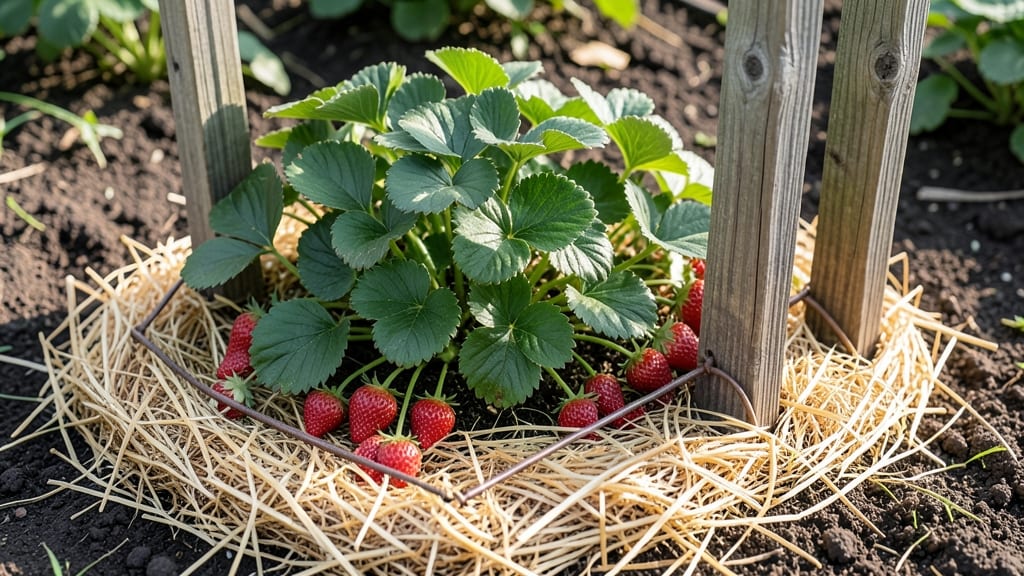
Using seedless straw mulch stops weeds by smothering sunlight to soil while keeping moisture locked in, decomposing gradually to feed plants without spreading unwanted seeds or grasses. This makes it perfect for organic gardens and delicate flower beds.
Seedless straw mulch works because it creates a physical barrier that blocks sunlight—weeds need light to grow, so this cuts off their energy source. 🌱 The material also retains moisture near plant roots, reducing evaporation and keeping soil consistently damp.
Unlike regular straw, it won’t sprout invasive grasses or seeds, making it safer for sensitive areas like vegetable gardens or ornamental beds.
This mulch breaks down over time, adding organic matter to the soil and improving its structure without creating a thick, impenetrable layer like some other mulches.
I’ve found it particularly effective in areas where I want to minimize maintenance—it suppresses weeds for months while still allowing water and air to reach the soil below.
💡 In This Article
- How Seedless Straw Mulch Stops Weeds and Preserves Soil
- Best Uses for Seedless Straw in Gardens and Landscapes
How seedless straw mulch stops weeds and preserves soil
The core mechanism behind seedless straw mulch’s weed suppression is light deprivation. Weeds rely on sunlight for photosynthesis, and by creating a 2-4 inch thick layer over soil, this mulch blocks 90-95% of light penetration.
Studies show that even 50% light reduction can inhibit weed seed germination by up to 70%. The straw’s golden-brown color may seem counterintuitive, but its density and thickness are what matter most—it’s not about reflecting light but physically preventing it from reaching weed seeds.
Moisture retention is another key factor. Seedless straw absorbs and holds water 3-5 times its weight, creating a reservoir near plant roots. This reduces soil evaporation by up to 60% compared to bare soil, which is especially valuable in arid climates where water conservation is critical.
The straw’s fibrous structure allows excess water to drain while keeping the root zone consistently moist—a stark contrast to wood chips, which can become waterlogged and suffocate roots.
Unlike traditional straw, seedless varieties undergo a special processing method that removes seed heads and contaminants. This eliminates the risk of invasive grasses like quackgrass or crabgrass sprouting in your garden.
The material decomposes at a moderate rate—taking 6-12 months to break down completely—releasing nutrients like nitrogen, potassium, and organic carbon as it decomposes. This gradual enrichment contrasts with fast-decomposing mulches like grass clippings, which can create nitrogen competition with plants.
Microbial activity plays a subtle but important role. The straw provides habitat for beneficial soil microbes that break down organic matter, while its porous structure allows 15-20% air penetration to roots. This balance prevents anaerobic conditions that would harm plant health.
The mulch’s neutral pH (6.5-7.5) makes it safe for most plants, unlike some wood-based mulches that can acidify soil over time.
One often-overlooked benefit is its temperature regulation. During summer, seedless straw can reduce soil temperature by 10-15°F compared to exposed soil, protecting tender roots. In winter, it provides 5-10°F insulation against frost heave. This thermal protection extends the growing season in marginal climates, where temperature fluctuations can stress plants.
For comparison, traditional straw contains 500-1,000 weed seeds per pound, while seedless versions contain zero. This makes the difference between a garden that stays pristine versus one that becomes overrun with volunteer wheatgrass or foxtail.
The seedless version’s consistency in performance is what makes it a gardener’s secret weapon for low-maintenance landscapes.
The real magic happens in the first 30 days after application when weed suppression is most effective. After that, you’ll need to replenish the layer as it decomposes, but the long-term benefits for soil health make it worth the minimal effort. 🌱