
Lawn
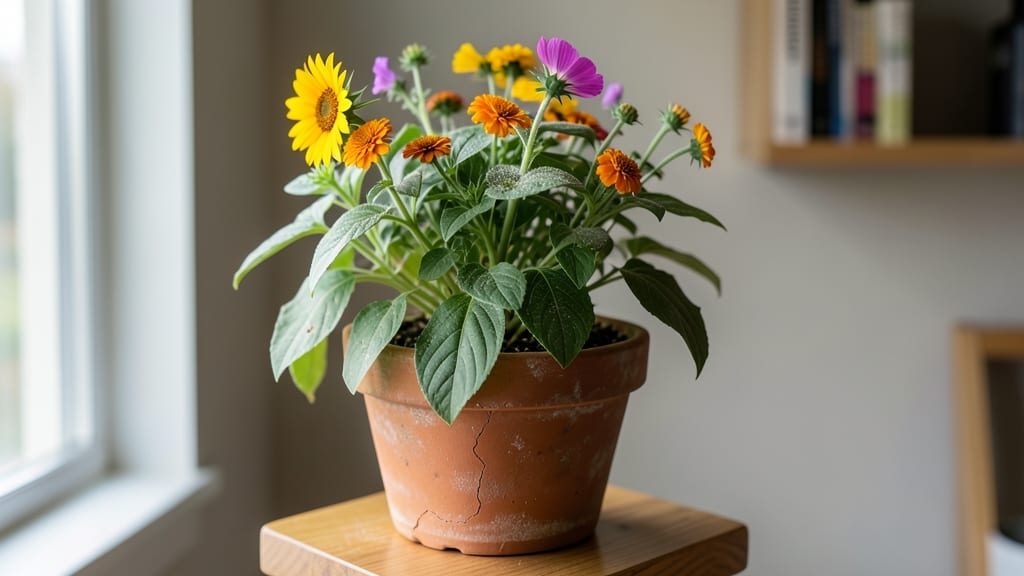
Seed gifts for gardeners aren’t just seeds—they’re tiny promises of next summer’s blooms and harvests, wrapped in creativity. 🌸 I’ve curated collections that turn gardening into an experience, from heirloom tomato seeds in vintage tins to wildflower mixes in hand-painted envelopes.
These aren’t your standard seed packets; they’re conversation starters for green thumbs and beginners alike.
The magic lies in the details: lavender-scented seed paper that doubles as plant markers, miniature terrariums with pre-sprouted herbs, or seasonal seed bombs disguised as decorative stones.
Each gift balances beauty and function—think of the joy of unwrapping a sunflower seed assortment labeled with the recipient’s name, or a pollinator-friendly wildflower mix that doubles as a garden centerpiece. The packaging becomes part of the gift.
What you’ll get isn’t just seeds—it’s a story to grow. Imagine a herb garden starter kit with basil, thyme, and rosemary seeds tucked into a wooden box shaped like a tiny greenhouse, or a romantic flower collection with roses, peonies, and snapdragons in a velvet pouch.
These gifts make garden planning feel like an adventure, not a chore.
Perfect for birthdays, holidays, or just because—these seed gifts spark excitement for the growing season ahead. Whether you’re shopping for a fellow plant parent or treating yourself, the key is making it personal, unexpected, and impossible to resist. Let’s turn seeds into something truly special.
📚 In This Guide
- What you need
- Instructions
- Tips and common mistakes
- Wrapping up and next steps
What you need
- ● Seeds: 5–10 packets of heirloom, organic, or non-GMO seeds (e.g., sunflowers, marigolds, basil, or cherry tomatoes). Aim for 5–10 varieties to offer variety.
- ● Seeds in small, resealable packets (e.g., 1" x 2" kraft paper or biodegradable envelopes). Pro tip: 💡 Add a custom label with the seed name and planting tips!
- ● Packaging: 1–3 gift boxes, kraft bags, or wooden crates (sizes vary: small for herb seeds, larger for flower/veggie mixes).
- ○ Decorative tissue paper or shredded paper (optional but adds charm!).
- ● Extras for Presentation: A handwritten note or printed planting guide (include care tips, sunlight needs, and harvest times).
- ● Twine or ribbon (for tying seed packets or securing boxes).
- ○ Mini garden markers or seedling pots (optional: 3–5 small pots or biodegradable seed starters).
- ● A label maker or calligraphy pen for personalized seed tags.
- ● Dried flowers or pressed leaves to tuck into packages for a rustic touch.
- ● Mini gardening tools (e.g., a tiny trowel or gloves) for a "garden starter kit" vibe.
- ● Seed-saving envelopes (if you want to include instructions on saving seeds).
How to create memorable seed gifts for gardeners
Here's how to turn simple seeds into heartfelt gifts that bloom with appreciation.
🌱 Step 1: Select Seeds That Spark Joy
Choose seeds that reflect the recipient's gardening style or personality. I always opt for a mix of heirloom flowers and culinary herbs—something beautiful and something useful. For example, pair sweet alyssum seeds (for pollinators) with basil seeds (for kitchen use). Check seed packets for germination rates—higher percentages mean fewer surprises for the recipient.
Include a small handwritten note with each seed packet explaining why you chose that variety. For instance, "These sunflower seeds remind me of our summer trips to the beach!" This personal touch elevates a simple packet into a meaningful gift. Avoid generic mixes unless you’re targeting beginners—experienced gardeners appreciate specific, high-quality seeds.
🪴 Step 2: Choose Packaging That Protects and Delights
Skip flimsy envelopes—kraft paper seed packets or mini wooden boxes make seeds feel special. I love using recycled seed paper embedded with wildflower seeds for an eco-friendly touch. For herbs, small glass jars with a ribbon seal add a rustic charm. Label each package clearly with the seed type, planting instructions, and your name—this prevents mix-ups and shows thoughtfulness.
Add a sprinkle of dried lavender or a cinnamon stick inside the packaging for a sensory surprise. The scent makes the gift feel complete and adds a subtle fragrance that gardeners will love. If you’re crafty, include a mini trowel or seedling marker as a bonus—it’s a practical gift that pairs perfectly with the seeds.
☀️ Step 3: Include a Planting Guide for Success
Every seed gift needs a simple planting guide to ensure the recipient’s success. Include a one-page sheet with key details like sunlight needs, soil type, and planting depth for each seed variety. For example, write, "Plant marigold seeds ¼ inch deep in full sun, 6 inches apart." Use bold text or icons to highlight critical info—this makes it easy to scan.
Add a hand-drawn sketch of what the mature plant will look like. Even a rough doodle helps gardeners visualize the end result. I also include a timeline—like "Blooms in 8-10 weeks"—so they know what to expect. For herbs, note when to harvest (e.g., "Pick basil leaves in the morning for peak flavor"). This shows you’ve thought ahead and care about their gardening journey.
💧 Step 4: Bundle With Extras for a Complete Gift
Turn a seed packet into a full gardening starter kit by adding compost, biodegradable pots, or a packet of organic fertilizer. I like including a small bag of seed-starting mix with a note like, "Mix this with your garden soil for faster germination!" For a cozy touch, add a mini grow light or a seedling heat mat—these are unexpected luxuries that make the gift feel premium.
Include a handwritten card with planting tips or a funny gardening quote. For example, "Remember: Even the best gardeners kill a few plants. It’s how we learn!" This lighthearted note makes the gift feel personal and relatable. If you’re gifting to a beginner, add a beginner-friendly plant list with low-maintenance options like sunflowers or snapdragons.
⏰ Step 5: Time It Right for Maximum Impact
Send seed gifts 6-8 weeks before the last frost date in the recipient’s region. This gives them time to start indoors or direct-sow before spring. Check local frost dates online or ask the recipient where they garden. For warm-season crops (like tomatoes or peppers), time the gift for late winter so they can start early indoors.
If you’re gifting perennial seeds (like lavender or asparagus), time it for early spring—these take longer to establish. For annuals (like zinnias or cosmos), a late winter/early spring gift ensures they bloom all summer. Include a note like, "These cosmos seeds will keep blooming until frost—perfect for your sunny garden!" This shows you’ve considered their growing season.
Tips & tricks for thoughtful seed gifts
These little details make all the difference between a forgettable gift and one that sparks joy for years to come.
Seed Selection Strategy: For experienced gardeners, focus on heirloom varieties with high germination rates—these are the seeds that will truly impress. I've found that pairing sunflower seeds with basil seeds creates a perfect balance of beauty and utility. The sunflowers will bring visual impact, while the basil offers immediate kitchen rewards. Don't forget to include a brief note explaining why you chose each variety—this personal connection is what transforms seeds into meaningful gifts.
Packaging Presentation: The packaging should feel like an experience, not just a container. I recommend using recycled seed paper for wildflower mixes—it's eco-friendly and lets you embed seeds directly into the paper itself. For herb seeds, small glass jars with ribbon seals add a touch of elegance. The key is to make the packaging as special as the seeds inside. Add a sprinkle of dried lavender or a cinnamon stick for a subtle sensory surprise that elevates the entire gift.
Planting Guide Essentials: Your planting guide should include more than just basic instructions—it needs to inspire confidence. Include a simple timeline showing when to expect germination and blooming (like "8-10 weeks for marigolds"). Add hand-drawn sketches of mature plants to help gardeners visualize their future garden. For herbs, note the best harvest times—this practical detail shows you've thought about their entire gardening journey, not just the planting process.
Seasonal Timing: The 6-8 week window before last frost is your golden opportunity to create anticipation. For warm-season crops like tomatoes or peppers, time your gift for late winter so they can start indoors early. Perennial seeds like lavender need to be gifted earlier in the season since they take longer to establish. Always include a note with the ideal planting window—this shows you've considered their specific growing conditions and makes the gift feel perfectly tailored.
Pro Tips for Seed Gifts For Gardeners
- These little details make all the difference between a forgettable gift and one that sparks joy for years to come.
- Seed Selection Strategy: For experienced gardeners, focus on heirloom varieties with high germination rates—these are the seeds that will truly impress.
- Packaging Presentation: The packaging should feel like an experience, not just a container.
Frequently asked questions
Got questions about seed gifts for gardeners? You’re not alone!
Whether you’re gifting or receiving, timing, variety, and care can spark curiosity. Here are some common queries—and simple answers—to help you navigate seed gifts like a pro.
What’s the best time to give seed gifts?
Timing depends on the seeds! For spring bloomers (like marigolds or zinnias), gift them in late winter or early spring so recipients can start indoors or direct-sow after the last frost. Herbs (basil, cilantro) thrive with spring or summer gifts, while cool-season veggies (kale, spinach) are perfect for fall. Always check the seed packet’s planting zone for local guidance!
Can I send seed gifts through the mail?
Seed gifts are lightweight and durable, making them ideal for mailing. Use a sturdy envelope or small box with a breathable material (like tissue paper) to protect them. Avoid extreme temperatures—ship in mild weather—and consider adding a handwritten note with care instructions (e.g., “Plant after frost!”). Pro tip: Flatten packets to save space!
What if the seeds are old or past their expiration?
Most seeds stay viable for 1–5 years, but germination rates drop over time. If unsure, test a few seeds in damp paper towels for 5–7 days—if they sprout, they’re good! For gifts, choose heirloom or fresh seeds (often labeled with a year) or pair them with a seed-starting kit to extend their usefulness. Bonus: Some companies sell “everlasting” seeds like tomatoes or peppers, which last longer!
Are there seed gift alternatives for non-gardeners?
No problem! Swap seeds for pre-sprouted seed kits (like microgreens or sprouting lentils) or succulent/air plant gifts—they’re low-maintenance and perfect for beginners. Another idea: customized seed paper (embedded with wildflower seeds) for eco-friendly bookmarks or cards. Herb bundles (like mint or thyme) also make great gifts for indoor planters!
What if the seeds don’t grow after planting?
First, check the soil, water, and sunlight—most failures stem from these! Seeds need consistent moisture (not soggy) and warmth (some need light to germinate). If still stuck, try soaking seeds overnight or scratching the shell lightly. Don’t give up! Some seeds (like poppies) need cold stratification—plant them in fall for spring blooms. Pro move: Include a troubleshooting guide with your gift!
Wrapping up and next steps
Seed gifts for gardeners are more than just a thoughtful gesture—they’re a spark of inspiration to grow beauty, flavor, or even sustainability, one tiny packet at a time. Whether you’re gifting heirloom tomatoes, fragrant lavender, or native wildflowers, these gifts connect people to nature and encourage hands-on creativity. 🌱
Ready to share the joy? Start by picking seeds that align with the recipient’s passion—whether it’s edible gardens, pollinator-friendly blooms, or low-maintenance greens. Then, pair them with a handwritten note or a simple care guide to make the gift even more special.
Your green-thumbed friends (or future gardeners!) will thank you for planting the seeds of joy—literally.