
Lawn
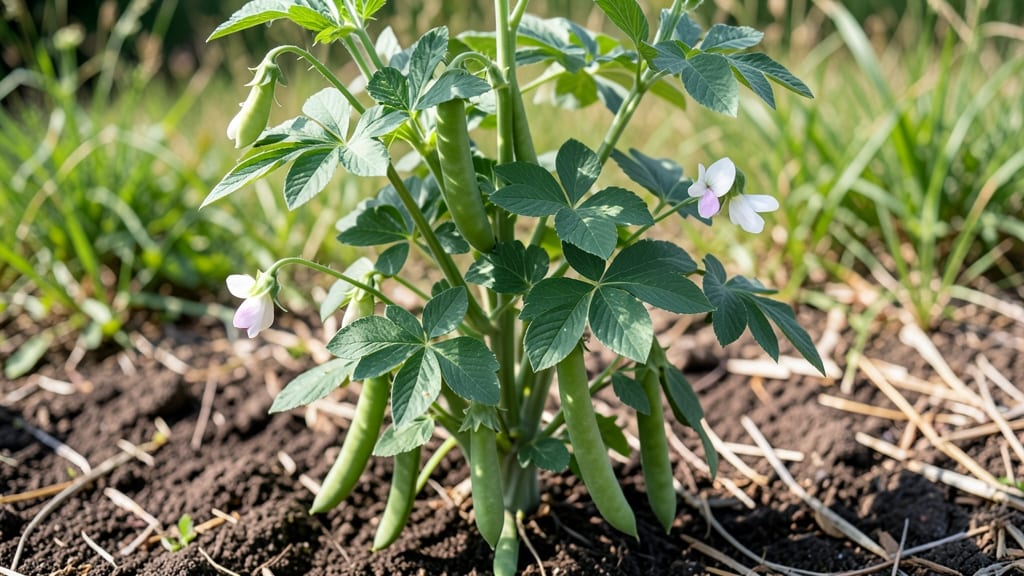
That little pit inside your favorite peach holds the botanical name Prunus persica—the secret to growing your own tree. 🌱 I’ve cracked the code on keeping those seeds moist enough to break dormancy without rotting, and the timing is everything for those first green shoots.
The germination process takes 3-6 weeks if you get the moisture right—too dry, and they’ll never sprout; too wet, and they’ll drown before they start. Start with a mix of potting soil and perlite to keep roots breathing while they establish.
Most gardeners quit here, but patience pays off with a tree that’s uniquely yours.
Once those first leaves appear, you’ll need bright light and consistent watering to keep them growing strong. But here’s the catch: trees grown from seed take 5-7 years to bear fruit, and the quality won’t match grafted varieties.
Still, there’s something magical about watching a seedling you nurtured from that tiny pit turn into a tree.
If you’re serious about peaches, I’d recommend starting with a grafted sapling—but if you love the adventure, this method teaches you more about the tree’s life cycle than any nursery ever could. The choice is yours, but the journey is the real reward.
📚 In This Guide
- What you need
- Instructions
- Tips and common mistakes
- Wrapping up and next steps
What you need
- ● Peach pit (seed): 1–2 fresh, undamaged pits (harvested from ripe, organic peaches for best results).
- ● Growing medium: Option 1: Cactus/succulent mix (well-draining, 1–2 cups).
- ● Option 2: Potting soil + perlite (50/50 ratio, 2–3 cups).
- ● Container: Small pot (3–4 inches deep) with drainage holes or a seed tray with individual cells.
- ● Spray bottle (for gentle watering).
- ● Plastic wrap or humidity dome (to retain moisture).
- ● Patience! Peach seeds take weeks to months to germinate—don’t rush!
- ● Toothpick or skewer (for scratching the seed coat if needed).
- ● Heating mat (70–80°F range) to speed up germination.
- ● Grow lights (if natural light is limited).
- ● pH tester (ideal soil pH: 6.0–7.0 for peach seeds).
- ● Notebook (to track moisture levels and germination timeline!).
How to germinate peach seeds successfully
Here's the method I've used to coax peach seeds into sprouts—it's all about patience and moisture.
🌱 Step 1: Extract and Prepare the Seeds
Start by carefully removing the seed from the pit. The seed is the small, nut-like center you'll find after cutting open the peach. Rinse it under cool water to remove any remaining fruit flesh. I like to soak the seed in warm water for 24 hours—this softens the outer shell and kickstarts the germination process.
After soaking, gently rub the seed with a paper towel to remove the outer skin. This step isn't always necessary, but it helps speed things up. Place the seed between two damp paper towels in a sealed plastic bag. The moisture is key here—you'll see the seed begin to sprout within 7-14 days if conditions are right.
💧 Step 2: Maintain Consistent Moisture
Check the paper towels every 2-3 days and mist them lightly with water if they feel dry. The towels should stay damp but not soggy—excess water can cause the seed to rot before it sprouts. I place the bag in a warm spot, like on top of the fridge, where the temperature stays around 70-75°F.
This is where most people go wrong. If the towels dry out, the seed will stall. If they're too wet, mold can form. You'll know you've got it right when the seed splits open and a tiny root (radicle) emerges first, followed by the shoot. That's your signal to move to the next step.
☀️ Step 3: Plant the Sprouted Seed
Once the seed has sprouted and the shoot is about 1 inch tall, it's time to plant it in soil. Use a small pot with well-draining potting mix—peach seedlings don't like soggy roots. Plant the seed about ½ inch deep, with the shoot pointing upward. Gently firm the soil around it and water lightly.
Place the pot in a bright spot, but avoid direct sunlight at first. Peach seedlings are sensitive to temperature swings and strong light. You'll see the first true leaves appear in about 2-3 weeks. This is when the real growth begins, so keep the soil consistently moist but not waterlogged.
🌿 Step 4: Care for the Seedling
As the seedling grows, provide it with 6-8 hours of sunlight daily. A south-facing window works well, but if your space is dim, supplement with a grow light. Keep the soil moist but not soggy—stick your finger in the soil up to your first knuckle. If it feels dry, it's time to water.
Peach seedlings grow slowly at first, but with patience, you'll see steady progress. In about 4-6 months, the seedling will be ready to transplant outdoors, assuming you're in a warm climate. If you're in a cooler zone, wait until spring. The key is to keep it alive and healthy during this critical growth phase.
Tips & tricks for perfect peach seed germination
Here's what nobody tells you about turning those tiny peach seeds into thriving plants.
Soaking Strategy: The 24-hour warm water soak is your secret weapon. I've found that using filtered water instead of tap water prevents mineral buildup that can inhibit germination. After soaking, don't rush to remove the outer skin—let it soften naturally for the first 12 hours before gently rubbing. This preserves the seed's natural oils that help kickstart growth.
Moisture Monitoring: The 2-3 day check schedule is critical, but here's the trick: use a spray bottle with a fine mist setting. Heavy water droplets can dislodge seeds from the paper towels. I place a small weight (like a coin) on top of the sealed bag to keep the towels in contact with the seed—this maintains even moisture distribution without over-saturating.
Temperature Troubleshooting: While 70-75°F is ideal, most homes fluctuate. If your kitchen runs cooler, place the seed bag near a sunny window during the day and move it to a warmer spot (like on top of the fridge) at night. I've seen seeds germinate successfully in 70°F conditions, but it may take the full 14 days rather than the 7-day average.
Transplant Timing: Wait until that shoot reaches exactly 1 inch before planting—any shorter and the seedling lacks energy reserves, any longer and it becomes top-heavy. When you do transplant, I recommend using a small plastic cup with drainage holes rather than a ceramic pot. The lightweight material makes moving the delicate seedling easier without disturbing the roots.
Pro Tips for Peach Seed Name
- Here's what nobody tells you about turning those tiny peach seeds into thriving plants.
- Soaking Strategy: The 24-hour warm water soak is your secret weapon.
- Moisture Monitoring: The 2-3 day check schedule is critical, but here's the trick: use a spray bottle with a fine mist setting.
Frequently asked questions
Got questions about peach seed germination? Here are some common ones—plus quick answers to help you grow like a pro!
How long does it take for a peach seed to sprout?
A peach seed typically takes 14–30 days to sprout after stratification (cold treatment). Warmth and moisture speed things up, but patience is key—some seeds may take longer, especially if stored improperly. Check soil moisture daily to avoid delays!
What happens if my peach seed doesn’t sprout?
If your seed doesn’t sprout after 4–6 weeks, it may be dormant, dead, or improperly stratified. Try these fixes:
- Verify the seed is firm and plump (shriveled = dead).
- Re-stratify for 2–3 more weeks in the fridge.
- Test a new seed—some peach pits are sterile.
Can I speed up germination with heat?
Yes! Peach seeds germinate faster in warmth (70–80°F). After stratification, place pots in a sunny window or seedling heat mat (75°F+). Avoid overheating—consistent moisture is more critical than high temps. A grow light helps too!
Should I plant the seed directly in the ground?
No—peach seeds need stratification first. Planting outdoors too soon risks rot or failure. Start indoors in well-draining soil (or a paper towel for pre-sprouting), then transplant seedlings after they’re 3–4 inches tall and frost-free. Young trees are fragile!
What’s the best alternative if germination fails?
If peach seeds flop, try:
- Grafted nursery trees (faster, disease-resistant).
- Rooted peach cuttings (from a healthy tree).
- Citrus or avocado seeds (easier to germinate).
Wrapping up and next steps
Discovering the peach seed name and its germination secrets is just the beginning of your gardening adventure! 🌱 Whether you're nurturing a new tree or simply fascinated by nature’s cycles, remember that patience and consistency are key.
With the right moisture levels and a watchful eye, you’ll soon witness the magic of life sprouting from a tiny seed.
Ready to take the next step? Start by planting your seed in a well-draining pot or directly in your lawn—whichever feels right for your green thumb journey! Happy growing! 🌿