
Planting
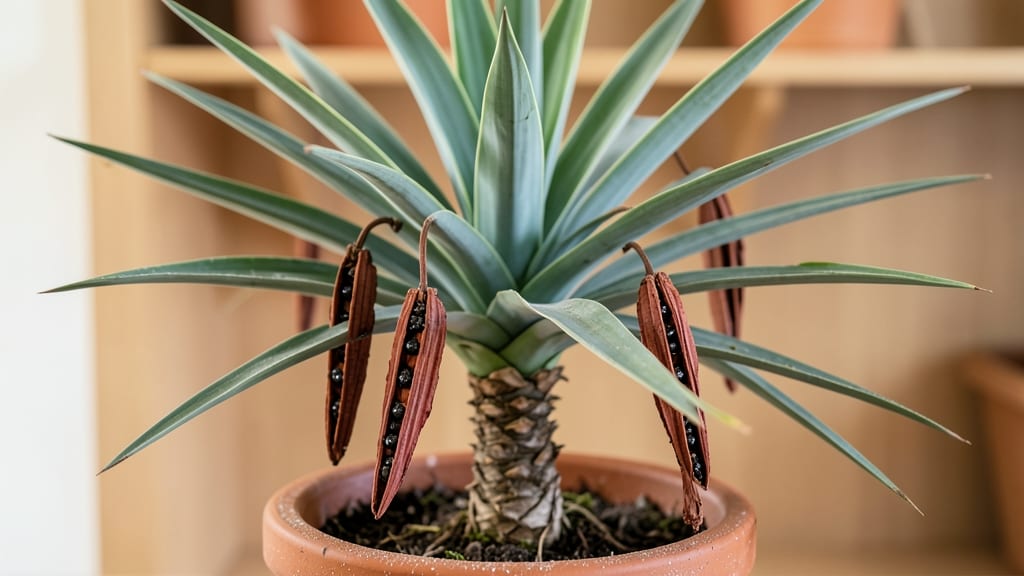
Your red yucca plant seed pods hold the key to next season’s striking red blooms—if you harvest them at the right time. 🌱 I’ve learned the hard way that waiting too long means seeds scatter, while picking too early leaves them undeveloped.
The secret lies in timing: collect pods when they turn papery brown but before they split open, usually in late summer or early fall.
Once you’ve gathered them, crack open the pods to reveal tiny black seeds that look like specks of coal. These little powerhouses need stratification—a cold period—to break dormancy, which mimics winter’s natural cycle.
I use a damp paper towel in a sealed bag in the fridge for 4-6 weeks, checking occasionally to keep them moist but not soggy.
Germination takes patience—4-12 weeks—but the results are worth it. Start seeds indoors in well-draining cactus mix under bright light, and avoid overwatering. The first true leaves will signal success, and by spring, you’ll have sturdy seedlings ready for transplanting outdoors.
Red yucca thrives in hot, dry climates and handles neglect like a pro, making it perfect for low-maintenance gardens. Just remember: these plants grow slowly, so give them space and time to establish before expecting blooms.
With the right care, your harvested seeds will reward you with bold, architectural flowers for years to come.
📚 In This Guide
- What you need
- Instructions
- Tips and common mistakes
- Wrapping up and next steps
What you need
- ● Red yucca plant (mature, healthy, and producing seed pods)
- ● Sharp pruning shears or garden scissors (sterilized to prevent disease)
- ● Brown paper bags or breathable mesh sacks (1-2 per pod, for air circulation)
- ● Permanent marker or labels (to mark pods with harvest date)
- ○ Gloves (optional but recommended) (to protect hands from thorns)
- ● Drying tray or flat surface (elevated, clean, and dry)
- ○ Small fan or dehumidifier (optional) (speeds up drying in humid climates)
- ● Seed pod storage container (airtight jar or envelope for long-term storage)
- ● Humidity monitor (to track drying conditions)
- ● Magnifying glass (for inspecting seed viability)
- ● Plant journal or notebook (to log harvest details)
Step-by-step guide to harvesting red yucca seed pods
Here's how to collect and store red yucca seed pods for reliable germination next spring.
🌱 Step 1: Identify and Select Mature Seed Pods
Wait until seed pods turn completely brown and begin splitting open naturally—this usually happens 4-6 weeks after flowering. The pods should feel dry and papery to the touch, with seeds rattling inside when shaken gently. Avoid harvesting green or partially dried pods, as they won't contain viable seeds.
Look for pods that have opened slightly at the seams. These seeds are ready for collection, while fully closed pods may still need time to mature. I like to harvest on a dry morning when dew isn't present—this prevents moisture from sticking to the seeds and causing premature mold.
✂️ Step 2: Carefully Remove Pods from the Plant
Use clean, sharp pruning shears to snip the entire seed pod from its stem, leaving about ½ inch of stem attached. This prevents damaging the plant's growth points while ensuring you capture all seeds. Place each pod in a paper bag immediately—this keeps seeds contained and prevents them from scattering.
Don't pull pods off by hand, as this can tear the plant tissue and leave unsightly wounds. If a pod resists cutting cleanly, it may still be too green. Let it mature a few more days before attempting removal again.
🪴 Step 3: Dry and Extract the Seeds
Spread the collected pods in a single layer on a dry, well-ventilated surface for 3-5 days. I use a mesh screen or a piece of window screen to allow air circulation on all sides. The goal is to dry them completely—seeds should rattle freely when the pods are shaken.
Once fully dry, gently crush each pod between your fingers over a clean, white surface (like a sheet of paper). Red yucca seeds are small and black, often covered in a fine dust. You'll see them pop out easily once the pods are completely desiccated. Discard any empty pod fragments.
💧 Step 4: Store Seeds for Optimal Germination
Transfer the extracted seeds to a small envelope or airtight container lined with silica gel packets. Store them in a cool, dark place—your refrigerator's crisper drawer works perfectly. Red yucca seeds remain viable for 1-2 years when stored properly, though germination rates drop after the first year.
Label your container with the collection date and variety (if applicable). I also include a note about any special growing conditions I observed that year—like particularly drought-tolerant plants or those that bloomed early. This helps me replicate success in future seasons.
☀️ Step 5: Prepare for Spring Planting
In early spring, remove seeds from storage and soak them in warm water for 24 hours to soften the hard seed coat. This mimics natural rainfall and significantly improves germination rates. After soaking, plant seeds ¼ inch deep in well-draining soil mix, spacing them 6 inches apart.
Keep the soil consistently moist but never soggy until germination occurs, which typically takes 2-4 weeks. Young red yucca seedlings are delicate, so avoid disturbing them until they develop their first set of true leaves. This is the moment that matters—patience now ensures strong, healthy plants for years to come.
Tips & tricks for perfect red yucca seed pod harvesting
These small details make all the difference when collecting and storing red yucca seeds for next season's flourishing plants.
Timing Secret: The 4-6 week window after flowering is critical for harvesting mature pods. I've learned the hard way that harvesting too early means immature seeds, while waiting too long risks losing seeds to wildlife or weather. Mark your calendar when you first spot flowers—this gives you a precise target date for collection. A small notebook by your plants helps track progress visually.
Tool Tip: Invest in a pair of sharp pruning shears specifically for your red yucca harvest—they'll last seasons and make the job cleaner than kitchen scissors. The ½-inch stem attachment is non-negotiable; it preserves the plant's energy while ensuring you capture every seed. I keep my shears in a small tool caddy near my garden shed for easy access during harvest season.
Drying Strategy: That 3-5 day drying period on a mesh screen isn't just about time—it's about airflow. I position my screen in a spot where morning sun can warm the pods while afternoon breezes carry away moisture. If you're in a humid climate, consider using a small fan on low setting to circulate air without disturbing the delicate seeds.
Storage Wisdom: The refrigerator's crisper drawer creates the perfect cool, dark environment for seed storage, but here's the pro move: I add a small packet of uncooked rice to my seed containers. The rice absorbs any residual moisture better than silica gel alone, keeping seeds viable for that full 1-2 year window. Labeling with both date and variety is non-negotiable—trust me, you'll forget!
Pro Tips for Red Yucca Plant Seed Pods
- These small details make all the difference when collecting and storing red yucca seeds for next season's flourishing plants.
- Timing Secret: The 4-6 week window after flowering is critical for harvesting mature pods.
- Tool Tip: Invest in a pair of sharp pruning shears specifically for your red yucca harvest—they'll last seasons and make the job cleaner than kitchen scissors.
Frequently asked questions
Got questions about red yucca seed pods?
You’re not alone! Here are answers to the most common queries—from harvesting to troubleshooting—to help you master next season’s blooms.
When is the best time to harvest red yucca seed pods?
The ideal time is late fall or early winter (after the pods turn brown and dry but before they split open). Harvesting too early means immature seeds; waiting too long risks losing them to birds or wind. Aim for October–December in most climates for peak viability.
How long does it take for red yucca seeds to germinate?
Germination can take 2–6 weeks under ideal conditions (warm soil, consistent moisture). For faster results, soak seeds in warm water for 24 hours before planting. Patience is key—some seeds may take up to 3 months to sprout, especially in cooler weather.
Can I collect seeds from red yucca pods that have already split open?
Yes, but act quickly! Once pods crack, remove seeds within 1–2 days to avoid mold or insect damage. Store them in a paper envelope (not plastic) in a cool, dry place until planting. If seeds look shriveled or discolored, they’re likely non-viable.
What can I do if my red yucca plants aren’t producing seed pods?
Several factors may be at play:
- Lack of pollinators: Hand-pollinate flowers with a soft brush to encourage pod formation.
- Improper care: Ensure full sun (6+ hours/day) and well-draining soil.
- Aging plants: Mature red yuccas (3+ years old) produce more pods.
- Over-fertilizing: Too much nitrogen promotes foliage over flowers.
Are red yucca seed pods toxic to pets or wildlife?
Red yucca (Hesperaloe parviflora) is non-toxic to pets and wildlife, but the pods aren’t typically eaten. However, ingesting large quantities of any plant material can cause mild stomach upset. If you’re concerned, consult your vet or a local wildlife expert for guidance.
Wrapping up and next steps
Harvesting red yucca plant seed pods is a rewarding way to ensure next season’s vibrant blooms! With the right timing, tools, and patience, you’ll unlock the secret to propagating these striking desert plants.
Whether you’re a seasoned gardener or just starting, every seed pod holds the potential for future growth—so don’t hesitate to give it a try.
Ready to take the next step? Mark your calendar for late summer or early fall harvests, gather your supplies, and start planning your propagation project. Your garden—and those bold red flowers—will thank you! 🌱✨