
Lawn
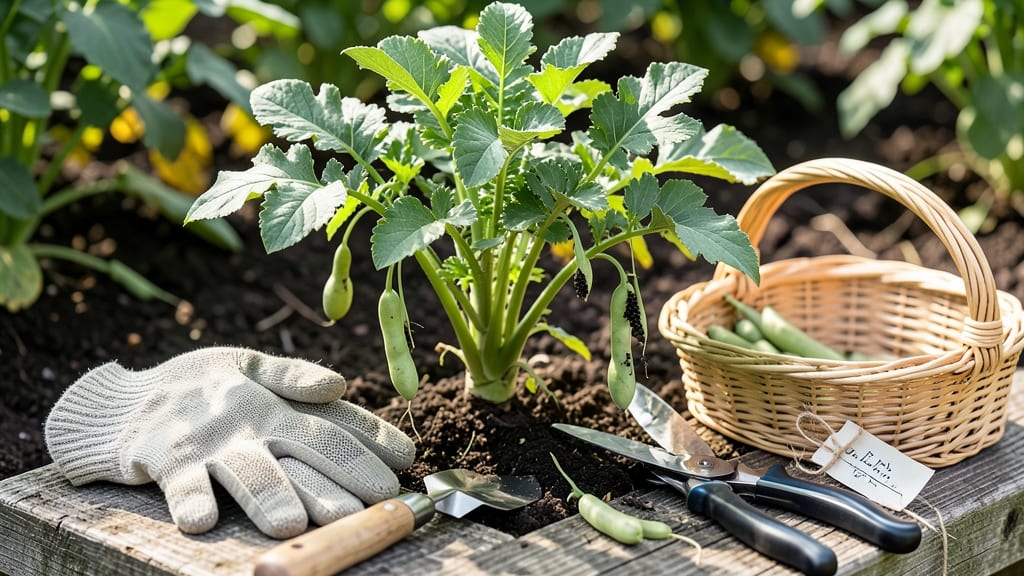
Harvesting radish seed pods before they twist means next year’s garden starts with the best possible start. 🌱 The secret to saving seeds isn’t complicated—it’s about timing, gentle handling, and knowing when those pods are ready to give up their treasures.
I’ve learned the hard way that waiting too long turns crisp, viable seeds into brittle dust, so I now watch for the right moment: when pods turn from green to a papery brown and split open just a little.
You’ll need just a few things: clean trays for drying, paper bags for storage, and a pair of sharp scissors or pruners. The process takes about 2-3 weeks from harvest to storage, and the best part? You’ll end up with seeds that sprout faster and stronger than store-bought varieties.
Radishes saved from your own garden grow true to type, meaning the bright reds stay true and the heat tolerance carries over year after year.
Once you’ve dried the seeds completely, store them in a cool, dark place where they’ll stay viable for 3-5 years. The first time I saved seeds this way, I ended up with a garden so productive, my neighbors asked where I bought the “super radishes.”
No magic—just patience and knowing when to harvest those pods before they twist and lose their potential.
Whether you’re growing in containers or a full garden bed, this method works the same. The key is consistency: check pods every few days in late summer, and don’t rush the drying process.
A little effort now means a head start on next season’s harvest—and fewer trips to the seed catalog come spring.
📚 In This Guide
- What you need
- Instructions
- Tips and common mistakes
- Wrapping up and next steps
What you need
- ● Mature radish plants: Choose healthy, fully bloomed radishes with well-developed seed pods (typically 45–60 days after planting). Aim for at least 10–15 plants if saving seeds for next year.
- ● Pruning shears or sharp scissors: A clean, sterilized pair (rubbing alcohol wipe) to avoid spreading disease. Opt for bypass-style shears for precision cuts.
- ● Paper bags or breathable mesh bags: 1–2 bags per plant, labeled with the radish variety and harvest date (e.g., "Cherry Belle – 2024"). Avoid plastic to prevent mold.
- ● Twist-ties or rubber bands: 50+ pieces to secure seed pods without crushing them.
- ● Drying tray or screen: A flat, elevated surface (e.g., a wire cooling rack) to air-dry pods for 2–3 weeks in a cool, dark, well-ventilated space (60–70°F).
- ● Seed catalog or notebook: To log radish varieties, germination rates, and notes on pod resistance (e.g., "Daikon pods twisted easily—avoid next year").
- ● Fine-mesh sieve: For separating seeds from dried pods after harvesting.
- ● Humidity pack (silica gel): Place 1–2 packs in the drying area to reduce moisture if your climate is damp.
- ● Glove liners or nitrile gloves: To protect hands from itchy radish hairs (common in wild radishes).
How to harvest radish seed pods without the twist
Here's how to save radish seeds for next year—no stubborn pods or wasted effort.
🌱 Step 1: Grow Radishes to Maturity for Seed Production
Start by planting radishes specifically for seed production, not for eating. Choose varieties like 'French Breakfast' or 'Cherry Belle' that thrive in your climate. Sow seeds directly in well-draining soil, spacing them 1 inch apart in rows 12 inches apart. Keep the soil moist but not soggy—radishes need consistent moisture to grow well.
Let the radishes mature fully on the plant. You'll know they're ready for seed pods when the leaves yellow and die back naturally. This typically happens 60-70 days after planting. Don't harvest the roots—leave them in the ground to allow the plant to focus on producing seed pods.
🌿 Step 2: Identify and Select Healthy Seed Pods
Once the plants have bolted and flowers appear, watch for seed pods to form. The pods should be firm, dry, and turn from green to a brownish color. Avoid pods that are still green or soft—they won't contain mature seeds. Gently twist a few pods to test their readiness; if the seed pod comes off easily, it's ready for harvest.
Select pods from the healthiest plants, avoiding any that look shriveled, moldy, or damaged by pests. The best pods will be plump and slightly papery to the touch. Harvest them on a dry day to prevent moisture from causing rot or mold during storage.
✂️ Step 3: Harvest and Dry Seed Pods Properly
Use clean scissors or pruners to snip the seed pods from the stems. Avoid pulling or twisting the pods directly from the plant—this can damage the stem and reduce future seed production. Place the harvested pods in a single layer on a tray lined with paper towels or parchment paper.
Let the pods dry in a warm, well-ventilated area for 1-2 weeks. The pods are fully dry when they rattle when shaken and the seeds inside are loose. Avoid direct sunlight, which can overheat and damage the seeds. Once dry, gently open the pods and remove the seeds, discarding any debris or chaff.
🪴 Step 4: Store Seeds for Next Year’s Planting
Store the dried seeds in a cool, dark place in an airtight container, such as a small glass jar or envelope. Label the container with the radish variety and the harvest date. Radish seeds remain viable for 2-3 years when stored properly, though germination rates may decline after the first year.
Before planting saved seeds, conduct a simple germination test by placing a few seeds between damp paper towels. Check for sprouting in 3-5 days. If fewer than half sprout, consider purchasing fresh seeds for better results. Properly stored seeds should yield strong, healthy plants for your next growing season.
Tips & tricks for perfect radish seed pod harvesting
Saving radish seeds doesn't have to be frustrating—these simple strategies will help you avoid those stubborn pods and get the best seeds for next year.
Variety Matters: Not all radishes produce great seed pods. Stick with varieties specifically bred for seed production like 'French Breakfast' or 'Cherry Belle'. These varieties consistently produce firm, healthy pods that yield quality seeds. I've found that round radishes tend to produce more reliable seed pods than long varieties.
Timing is Everything: The 60-70 day maturity window is crucial. Don't harvest the roots—they won't produce seed pods if you pull them early. Watch for the leaves to yellow and die back completely before attempting to harvest pods. This natural senescence process is what triggers seed production in radishes.
Drying Strategy: When drying your seed pods for 1-2 weeks, place them in a location with good airflow but avoid direct sunlight. I've had the best results using a mesh screen or cheesecloth over a box fan—this creates gentle airflow without risking overheating. The pods are ready when they rattle like maracas when shaken.
Storage Wisdom: For long-term viability, store your seeds in an airtight container with a desiccant packet. I like to add a small packet of silica gel to my seed jars to absorb any moisture. The coolest, darkest place in my kitchen (usually the back of the pantry) keeps seeds viable for up to 3 years—though I always test germination before planting saved seeds.
Pro Tips for Radish Seed Pod
- Saving radish seeds doesn't have to be frustrating—these simple strategies will help you avoid those stubborn pods and get the best seeds for next year.
- Variety Matters: Not all radishes produce great seed pods.
- Timing is Everything: The 60-70 day maturity window is crucial.
Frequently asked questions
Got questions about saving radish seed pods for next season? We’ve got answers!
Here are some of the most common queries gardeners have when it comes to harvesting, storing, and replanting these twisty little pods.
1. Why do radish seed pods twist before they’re ready to harvest?
Radish seed pods twist as a natural defense mechanism to prevent self-seeding. This "pod shattering" happens when the pods dry out—often before they’re fully mature. To save seeds, harvest pods while still green and slightly plump (but before they twist). Let them dry indoors for 1–2 weeks before cracking them open.
2. How do I know when radish seed pods are fully mature for seed saving?
Look for dry, brown pods that rattle when shaken (a sign of mature seeds inside). However, radishes rarely produce viable seeds in cool climates—opt for longer-season varieties (like 'French Breakfast') if seed saving is your goal. If pods twist too early, try harvesting earlier next time!
3. Can I store radish seed pods in the fridge or freezer?
Nope! Radish seeds lose viability quickly in cold, moist conditions. Instead, store dried pods in a cool, dark, and dry place (like a paper envelope in a seed jar) for up to 2–3 years. For extra longevity, keep them in a silica gel packet to absorb moisture. →
4. What’s the best alternative if my radish pods twist before I can harvest seeds?
If seed saving fails, try these tricks:
- Buy fresh seeds from a reputable supplier (like Johnny’s Selected Seeds).
- Grow radishes for greens—they’re edible and don’t require seed pods!
- Plant a different brassica (like turnips or daikon) that’s easier to save seeds from.
5. Why did my radish plants bolt (go to seed) so fast?
Radishes bolt due to heat, drought, or overcrowding. To delay bolting next season:
- Plant in cool weather (spring or fall).
- Use shade cloth in hot climates.
- Avoid over-fertilizing with nitrogen (it encourages leafy growth, not pods).
Wrapping up and next steps
Harvesting radish seed pods is your ticket to next year’s vibrant blooms—just with a little patience and the right technique! By following twist-resistant methods, you’ll preserve seed quality while avoiding the frustration of broken pods. Now’s your chance to turn today’s harvest into tomorrow’s garden magic.
🌱 Ready to Grow?
Start by saving a few pods and storing them in a cool, dry place. Then, mark your calendar for next spring—your future radish patch (and pollinators!) will thank you. Happy gardening! 🌿