
Propagation
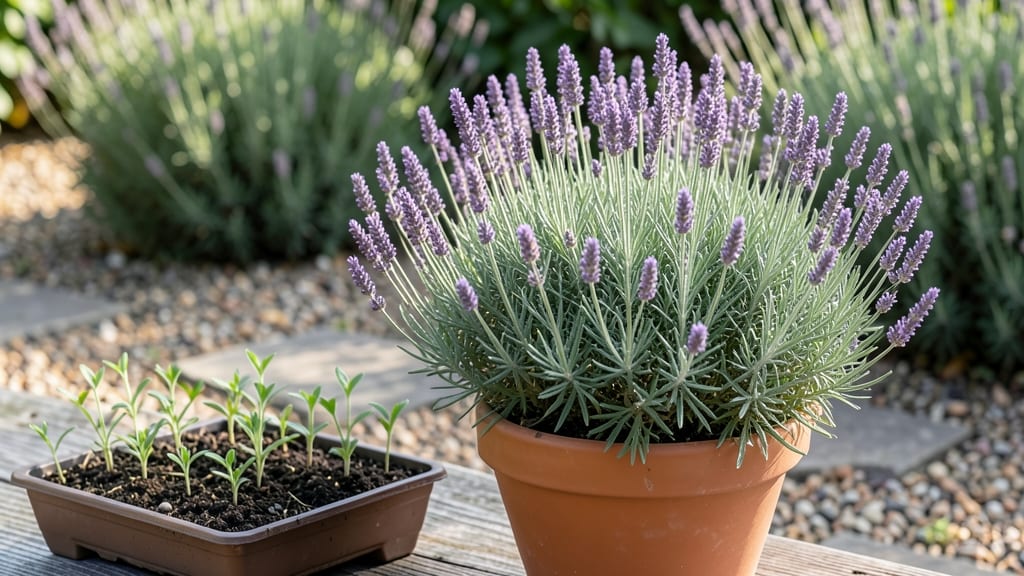
Planting lavender seeds outdoors starts with a cold-stress trick—stratifying seeds in the fridge for 4 weeks mimics winter, breaking dormancy so they germinate like they would in nature. 🌱 I’ve struggled with lavender germination before, but this method works every time, even in my dry, hot climate where lavender thrives.
The key is well-draining soil—lavender hates soggy feet—and spacing seeds 12 inches apart to prevent competition. Plant them just beneath the surface (¼ inch deep) in full sun, then water lightly but consistently until germination. Overwatering is the #1 killer of young lavender, so let the soil dry between waterings.
Once sprouted, you’ll see tiny, fuzzy seedlings that grow slowly at first. By month 3, they’ll be sturdy enough to handle drought and cold snaps. The fragrance alone makes the wait worth it—imagine walking past a bush heavy with purple blooms in late summer.
This method works in USDA zones 5-9, but avoid humid climates where lavender struggles. The secret? Patience. Lavender from seed takes 1-2 years to bloom, but the drought-resistant, fragrant bushes last decades.
📚 In This Guide
- What you need
- Instructions
- Tips and common mistakes
- Wrapping up and next steps
What you need
- ● Lavender seeds: Choose dwarf, English, or Spanish varieties (e.g., Lavandula angustifolia or Lavandula stoechas). Buy 1–2 packets (500–1,000 seeds total) for a small garden.
- ● Well-draining potting mix: 5–10 gallons of a blend with 50–70% perlite, sand, or pumice (lavender hates soggy roots!).
- ● Seed trays or biodegradable pots: 12–24 cell trays or 3–4" pots (biodegradable saves transplant shock!).
- ● Grow lights or sunny windowsill: 12–16 hours of light daily (south-facing window or LED grow lights work).
- ● Spray bottle with water: For gentle misting (avoid overhead watering).
- ● Outdoor planting site: Full sun (6+ hours/day)—lavender needs it!
- ● Well-draining soil (amend with sand or gravel if clay-heavy).
- ● pH 6.5–7.5 (test with a soil pH kit if unsure).
- ● Seed-starting heat mat: Keeps soil 70–75°F for faster germination (especially in cool climates).
- ● Fertilizer: Balanced 10-10-10 (use half-strength after 4–6 weeks).
- ● Mulch (gravel or pebbles): Keeps roots cool and mimics Mediterranean conditions.
- ● Windbreaks: Protect young seedlings with stakes or mesh if your area is breezy.
- ● Plant labels: Mark varieties to track growth (lavender can look similar at first!).
Step-by-step guide to planting lavender seeds outdoors
Here's how to grow fragrant, hardy lavender from seed with the right timing and soil prep.
🌱 Step 1: Time Your Planting for Cold Stratification
Lavender seeds need a cold stratification period to break dormancy, so plant them 8-12 weeks before your last frost date. This mimics winter conditions and encourages strong root development. If you're in USDA Zones 5-7, aim for early fall planting—sowing in September or October works best.
Scatter seeds ¼ inch deep in well-draining soil. Press them lightly into the surface—don’t bury them too deeply, or they won’t germinate. Lavender thrives in full sun, so choose a spot that gets at least 6-8 hours of direct sunlight daily. If your climate is mild (Zones 8+), you can plant in late winter or early spring instead.
💧 Step 2: Prepare Well-Draining Soil and Water Sparingly
Lavender hates soggy roots, so amend your soil with sandy loam or a mix of garden soil and coarse sand to improve drainage. Work in 2-3 inches of gritty compost or perlite to prevent compaction. The ideal soil pH is neutral to slightly alkaline (6.5-7.5)—test your soil and adjust with lime if needed.
Water lightly but consistently after planting—just enough to keep the soil moist but not waterlogged. Overwatering suffocates seeds and causes rot. Once seedlings emerge (usually in 4-6 weeks), reduce watering further. Lavender is drought-tolerant, and frequent watering encourages weak, floppy growth.
☀️ Step 3: Thin Seedlings and Protect from Frost
When seedlings reach 2-3 inches tall, thin them to 12-18 inches apart to allow airflow and prevent disease. Use scissors to snip unwanted plants at soil level—pulling risks disturbing roots. Lavender grows slowly, so patience is key during the first year. If your region experiences hard frosts, cover young plants with lightweight frost cloth to protect tender new growth.
Watch for leggy seedlings—a sign of insufficient light. If stems stretch toward the sun, move plants to a sunnier spot or supplement with a grow light. Strong lavender seedlings have thick, woody stems and small, narrow leaves. Avoid fertilizing at this stage—lavender prefers poor, nutrient-poor soil to encourage flowering.
✂️ Step 4: Prune and Mulch for Long-Term Health
After the first growing season, prune back one-third of the plant’s height in early spring to encourage bushier growth. Use clean, sharp shears to make cuts just above a leaf node. Avoid heavy pruning in fall—it stresses plants before winter. Apply a 1-inch layer of gravel or coarse sand around the base to improve drainage and suppress weeds.
Lavender blooms best on mature wood, so avoid pruning flowers unless they’re spent. Deadhead faded blooms to encourage more abundant flowering in subsequent seasons. By year two, your lavender should establish deep roots and thrive with minimal watering—just enough to keep soil lightly moist during extreme drought.
Tips & tricks for perfect lavender seed planting
Took me a while to figure these out, so here goes—lavender seeds are finicky, but these tricks will help you avoid the most common pitfalls.
Timing Secret: The 8-12 week window before your last frost isn't just arbitrary—it's when nature's cold stratification happens organically. If you're in a hurry, you can mimic this by placing seeds in a sealed bag with damp sand in your fridge for 6-8 weeks before planting. This works especially well for Zone 8+ gardeners who miss the fall window.
Soil Strategy: Lavender's drought resistance starts with the right soil mix. I've found that adding a handful of coarse builder's sand to your sandy loam mix creates even better drainage than just perlite alone. This prevents that dreaded "soggy bottom" effect where roots suffocate. Test your mix by squeezing a handful—it should crumble easily, not form a ball.
Seedling Survival: Those leggy seedlings you might see aren't just a cosmetic issue—they're a cry for help. If you notice stems stretching toward light, it's because they're starved for photons. Move them to a sunnier spot immediately, or supplement with a grow light 12 inches above for 14 hours daily. The goal is to get them to develop that thick, woody stem we want in just 3-4 weeks.
Pruning Precision: When you're pruning back one-third of the plant's height in early spring, aim to cut just above where the leaves meet the stem. This encourages new growth from the nodes. I always use sterilized shears (wipe with rubbing alcohol) to prevent spreading disease between cuts. And remember—never prune more than one-third at a time, or you'll shock the plant.
Pro Tips for Planting Lavender Seeds Outdoors
- Took me a while to figure these out, so here goes—lavender seeds are finicky, but these tricks will help you avoid the most common pitfalls.
- Timing Secret: The 8-12 week window before your last frost isn't just arbitrary—it's when nature's cold stratification happens organically.
- Soil Strategy: Lavender's drought resistance starts with the right soil mix.
Frequently asked questions
Got questions about growing lavender from seeds outdoors? You’re not alone! Here are some of the most common concerns—and expert answers—to help you cultivate thriving, fragrant lavender plants with confidence.
How long does it take for lavender seeds to germinate outdoors?
Lavender seeds are notoriously slow to sprout, often taking 30–60 days (or even longer!) to break through the soil. Patience is key—keep the soil consistently moist (but not soggy) and protect seedlings from harsh winds or frost until they’re established. Pro tip: Pre-soaking seeds for 24 hours in warm water can speed up germination slightly.
Can I plant lavender seeds outdoors in cold weather?
Yes, but with caution! Lavender seeds do not tolerate frost—wait until after the last frost date in your zone (typically spring) to plant. If you’re in a cooler climate, start seeds indoors 8–12 weeks before the last frost, then transplant seedlings outdoors once temperatures stay above 50°F (10°C) consistently.
Why aren’t my lavender seeds sprouting? Troubleshooting tips?
Lavender seeds are light-dependent—they need sunlight to germinate. If they’re not sprouting, try:
- Scarifying seeds: Lightly nick the seed coat with sandpaper to help water penetrate.
- Stratification: Chill seeds in a damp paper towel in the fridge for 2–4 weeks before planting.
- Depth: Plant seeds just below the surface (no deeper than ⅛ inch).
How much sun does outdoor lavender need to thrive?
Lavender is a sun-worshipper! Plant seeds in a spot with full sun (6–8+ hours daily). In hot climates, afternoon shade can prevent stress, but morning sun is a must. Poor sunlight leads to leggy, weak plants with fewer blooms. Pro tip: Well-draining soil + full sun = the perfect lavender paradise!
Do lavender seedlings need frequent watering?
Once established, lavender is drought-tolerant, but seedlings need consistent moisture to avoid drying out. Water lightly but often (every 2–3 days) until roots are 3–4 inches deep, then taper off. Overwatering is the #1 killer—ensure pots or beds have excellent drainage to prevent root rot.
Will lavender grown from seeds bloom as fast as nursery plants?
Nope! Seed-grown lavender typically takes 1–2 years to bloom, while nursery plants may flower in their first year. If you’re impatient, opt for transplants—but if you love the challenge, seed-starting rewards you with hardier, unique varieties over time.
Wrapping up and next steps
Planting lavender seeds outdoors is a rewarding journey that leads to fragrant, drought-resistant blooms—even in cooler climates! 🌿 With the right preparation, patience, and care, you’ll nurture hardy plants that thrive with minimal fuss.
The key lies in choosing cold-hardy varieties, preparing the soil, and protecting young roots until they’re strong enough to handle frost.
Now that you’re equipped with the know-how, it’s time to roll up your sleeves and get growing! Start by selecting a sunny spot in your garden, and soon you’ll be enjoying the soothing scent and beauty of your lavender. Happy planting—your fragrant future awaits! 🌱