
Propagation
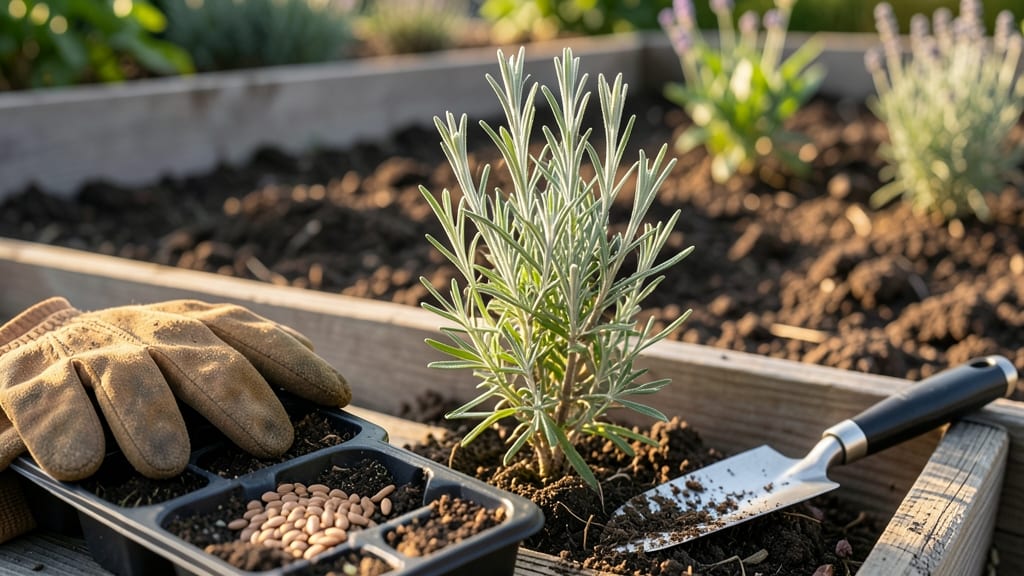
Growing lavender from seed outdoors means fragrant, drought-tolerant bushes that thrive in your garden for years—if you start right. 🌱 I learned the hard way that lavender seeds need patience and perfect conditions, but once they establish, they reward you with purple spikes that last all summer.
The key is mimicking their natural Mediterranean habitat: dry soil, full sun, and a little winter chill to toughen those stems.
You'll need well-draining soil (mix in sand or perlite), a sunny spot with at least 6 hours of direct light daily, and a patient heart—lavender seeds can take 3-4 weeks to germinate.
Start seeds indoors in early spring, then transplant after the last frost when seedlings are 3-4 inches tall. The secret? Never overwater—lavender hates soggy roots and will sulk if you coddle it too much.
By summer, you'll have sturdy young plants with silvery foliage that smells like Provence. The first blooms might be modest, but each year they'll get stronger. Mature lavender handles drought once established, repels pests naturally, and even attracts bees.
Prune lightly after flowering to keep the shape neat and encourage next year's blooms.
Works best in zones 5-9, though hardy varieties like English lavender push into zone 4. For colder climates, plant in a sheltered spot or mulch heavily in winter. The payoff? A fragrant, low-maintenance plant that outperforms nursery-bought lavender every time. Let's get those seeds started!
📚 In This Guide
- What you need
- Instructions
- Tips and common mistakes
- Wrapping up and next steps
What you need
- ● Lavender seeds: Opt for Lavandula angustifolia (English lavender) or Lavandula x intermedia (hybrid lavender) for best outdoor results. Buy 1–2 packets (100–500 seeds) from a reputable seed supplier.
- ● Seed-starting trays or pots: 4–6" deep containers with drainage holes (biodegradable pots work too!). Use 12–24 cell trays for precision.
- ● Seed-starting mix: A lightweight, sterile mix (e.g., 50% peat moss + 50% perlite or vermiculite). Avoid garden soil—it’s too dense!
- ● Grow lights or sunny windowsill: Lavender seeds need 12–16 hours of light daily. A LED grow light (10,000–20,000 lux) is ideal for indoor starts.
- ● Misting bottle or spray nozzle: Keep seeds consistently moist without drowning them.
- ● Plastic wrap or humidity dome: Creates a mini greenhouse to retain moisture during germination.
- ○ Heat mat (optional but helpful): Germination speeds up at 70–75°F (21–24°C). A seedling heat mat is a game-changer!
- ● Well-draining soil: Lavender hates soggy roots! Amend clay soil with sand or gravel (aim for 60% sand in the mix). Test pH—ideal range is 6.0–7.5.
- ● Sunny location: Choose a spot with full sun (6+ hours daily). South-facing or west-facing areas are perfect.
- ● Hardiness zone check: Most lavender thrives in Zones 5–9. If you’re in Zone 4 or colder, opt for Lavandula stoechas (Spanish lavender) for hardiness.
- ○ Mulch (optional): Use gravel or pebbles around plants to improve drainage and suppress weeds.
- ● Stakes or cages (for support): Tall varieties (like Lavandula x intermedia) may need 3–4 ft stakes as they mature.
- ● ✨ Cold stratification: For better germination, refrigerate seeds in moist paper towels for 2–4 weeks before planting.
- ● 🌡️ Patience is key: Lavender seeds can take 2–4 weeks (or longer!) to sprout—don’t give up!
- ● 🔥 Hardening off: Acclimate seedlings to outdoor temps 1–2 weeks before transplanting to avoid shock.
Step-by-Step instructions for growing lavender from seed outdoors
Here's how to cultivate hardy lavender plants that thrive through seasons with minimal fuss.
🌱 Step 1: Prepare Seed Trays for Cold Stratification
Fill a shallow tray with well-draining seed-starting mix (lavender hates soggy roots). I press the soil firmly to remove air pockets—this ensures even moisture without compaction. Moisten lightly until damp to the touch but not dripping. Lavender seeds need cold treatment to break dormancy, so I place the tray outside in a sheltered spot during winter.
Sprinkle seeds evenly across the surface—don't cover them. The seeds need light to germinate, and burying them too deep prevents emergence. Mist gently with water until the soil looks uniformly damp. Place a clear lid or plastic wrap over the tray to retain moisture while allowing airflow. This mimics natural winter conditions that trigger germination.
💧 Step 2: Stratify Seeds Over Winter Months
Leave the tray outside through winter, checking monthly for moisture. The soil should stay consistently damp but never waterlogged. Lavender thrives in poor soil, so avoid fertilizing during this phase—too much nitrogen encourages leafy growth at the expense of flowering stems. Watch for first green shoots in late winter or early spring, signaling successful stratification.
If your winter is mild, you might need to extend stratification by moving the tray to a cooler garage or unheated shed. The key is maintaining consistent 40-50°F soil temperatures for at least 6-8 weeks. Once sprouts appear, remove the cover immediately to prevent damping-off. Thin seedlings to 2 inches apart to reduce competition.
☀️ Step 3: Harden Off and Transplant Young Seedlings
When seedlings develop 2-3 sets of true leaves (not just the initial seed leaves), it's time to harden them off. Move the tray to a shaded outdoor spot for 1 hour daily, gradually increasing exposure over 2 weeks. Lavender is drought-tolerant but needs time to adjust to direct sun. You'll notice stems thickening and leaves developing a silvery hue—this indicates they're ready for full sun.
Transplant to their permanent location in well-drained soil with full sun exposure (6+ hours daily). Space plants 18-24 inches apart to allow airflow and prevent fungal issues. The first year focuses on root establishment, so avoid heavy pruning. Water deeply only when the soil feels bone-dry to the touch—lavender roots are shallow and hate excess moisture.
✂️ Step 4: Maintain Through First Growing Season
Lavender blooms best on woody stems, so resist the urge to prune in the first year. Focus instead on watering deeply every 2-3 weeks once established. You'll see new growth appear in late spring, followed by purple flower spikes in summer. Deadhead spent blooms to encourage a second flush of flowers, but leave some seed heads for natural propagation.
In fall, give plants a light trim to shape but avoid cutting into old wood. Mulch lightly with gravel or coarse sand to improve drainage. By year two, your lavender will develop the aromatic, cold-hardened stems that make it so prized. The key is patience—lavender grown from seed takes 2-3 years to reach full maturity and flowering potential.
Tips & tricks for growing hardy lavender plants
These essential tips will help you avoid common pitfalls and maximize your lavender's resilience through seasons.
Soil Preparation Secret: The well-draining mix in Step 1 is non-negotiable—lavender roots rot in soggy conditions. I add 20% perlite or coarse sand to commercial seed-starting mix to replicate its natural rocky Mediterranean habitat. This prevents waterlogging while allowing roots to breathe. For extra insurance, consider using a terracotta pot with drainage holes instead of plastic trays, as terracotta wicks away excess moisture.
Cold Stratification Hack: If you're worried about inconsistent winter temperatures, create a DIY cold frame using a clear plastic storage box with ventilation holes. Place your seed tray inside and position it on a north-facing porch or under a tree. This maintains the 40-50°F soil temperature while protecting seeds from freezing. The clear lid in Step 1 helps trap humidity, but ensure airflow prevents fungal growth—open it daily for 5 minutes during mild spells.
Seedling Rescue Strategy: When those first green shoots appear in Step 2, resist the urge to remove the cover immediately. Instead, gradually lift it for 15-minute intervals over 3 days before full removal. This hardens off seedlings faster than the 2-week process in Step 3. Watch for damping-off (blackened stems at soil level)—this fungal disease thrives in overly moist conditions. If you see it, remove affected seedlings and sprinkle cinnamon (not cloves) around healthy plants as a natural fungicide.
Transplanting Timing: The 2-3 sets of true leaves in Step 3 is your cue, but don't rush—wait until mornings stay above 50°F consistently for 5 days. I test this by placing a thermometer near the soil surface. Transplant on a cloudy day to reduce stress, and water deeply before moving to minimize root disturbance. The silvery hue you'll see is nature's way of saying "I'm ready for full sun!"—this indicates the waxy cuticle has developed properly.
Pro Tips for Growing Lavender From Seed Outdoors
- These essential tips will help you avoid common pitfalls and maximize your lavender's resilience through seasons.
- Soil Preparation Secret: The well-draining mix in Step 1 is non-negotiable—lavender roots rot in soggy conditions.
- Cold Stratification Hack: If you're worried about inconsistent winter temperatures, create a DIY cold frame using a clear plastic storage box with ventilation holes.
Frequently asked questions
Got questions about growing lavender from seed? You’re not alone!
Here are answers to the most common queries—from timing and soil to troubleshooting—so you can cultivate thriving lavender plants with confidence.
How long does it take for lavender seeds to germinate?
Lavender seeds can take anywhere from 2 to 6 weeks to germinate, depending on temperature and moisture. For best results, keep the soil consistently moist (but not soggy) and maintain a steady temperature around 70–75°F (21–24°C). Patience is key—some varieties may take even longer!
Can I grow lavender from seed in cold climates?
Lavender is hardy and thrives in cooler regions (USDA Zones 5–9). Start seeds indoors 8–10 weeks before the last frost, then transplant seedlings outdoors after the soil warms. For extra protection, choose cold-hardy varieties like Lavandula angustifolia or Lavandula × intermedia.
Why aren’t my lavender seeds sprouting?
Lavender seeds often need stratification (a cold period) to break dormancy. Try chilling moist seeds in the fridge for 4–6 weeks before planting. Other issues? Check soil drainage—lavender hates soggy roots—and ensure seeds aren’t buried too deep (just 1/8 inch below soil).
Do I need to buy special soil for lavender?
Lavender prefers well-draining, alkaline soil with a pH of 6.5–7.5. Mix regular potting soil with perlite or coarse sand (50/50 ratio) to improve drainage. Avoid heavy clay soils—amend with compost or gravel if needed. A raised bed works great for outdoor planting!
What’s the best time of year to plant lavender seeds outdoors?
For outdoor planting, aim for early spring (after the last frost) or late summer/early fall. Seeds sown in spring benefit from warm soil, while fall plantings establish roots before winter. Avoid planting in hot summer months—seeds may dry out or struggle to germinate.
Can I grow lavender from cuttings instead of seeds?
Yes! While slower, propagating from cuttings ensures genetic consistency. Take 3–4 inch cuttings from healthy stems, remove lower leaves, dip in rooting hormone, and plant in moist, well-draining soil. Keep humid until roots form (4–6 weeks). Cuttings often yield stronger plants than seeds.
Still stumped? Drop your question below—we’re happy to help your lavender garden flourish!
Wrapping up and next steps
Growing lavender from seed outdoors is a rewarding journey that yields fragrant, cold-hardy plants perfect for gardens and landscapes. With patience, proper care, and the right conditions, you’ll enjoy year-round blooms and sturdy stems that thrive in cooler climates.
Start small, stay consistent, and soon your garden will be filled with the soothing aroma and beauty of lavender!
Ready to take the next step? Pick your favorite lavender variety—like English, French, or Spanish—and begin your seeds indoors this fall. Happy growing! 🌱✨