
Planting
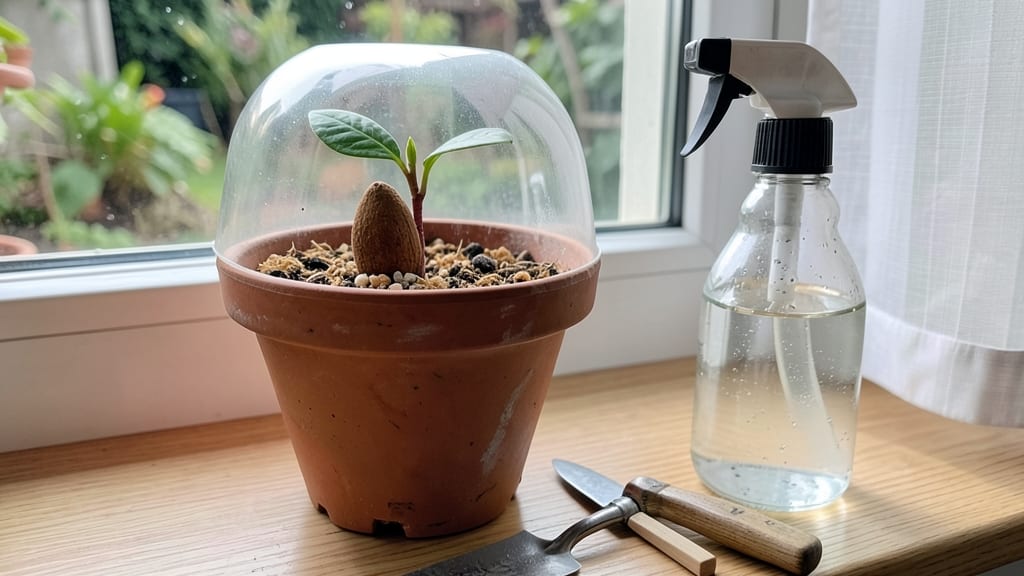
Planting a mango seed in a pot isn’t just gardening—it’s a chance to grow a tropical tree from your kitchen table. 🌱 I’ve struggled with slow germination and leggy seedlings, but these exact steps finally gave me strong, healthy starts that thrive in containers.
The key? Patience, the right soil mix, and a bright spot that mimics a mango’s native sunshine.
You’ll need just three simple supplies: a well-draining pot (at least 6 inches deep), a mix of potting soil and perlite (for aeration), and a mature mango seed (saved from store-bought fruit).
Skip the fancy tools—this is beginner-friendly, but don’t rush the process. Germination can take 4-8 weeks, and seedlings grow slowly at first. That’s normal for tropical trees!
Once sprouted, your seedling will crave bright, indirect light (south-facing windows work best) and consistent moisture (keep soil damp, not soggy). Within a year, you could have a 3-foot-tall tree with real potential for fruit—if you’re patient and avoid overwatering.
The biggest mistake? Letting pots dry out or crowding roots too soon.
Long-term, your potted mango will need larger containers every few years and winter protection if temps drop below 40°F. But the journey starts now: a tiny seed, a sunny windowsill, and the promise of tropical greenery. Ready to begin?
📚 In This Guide
- What you need
- Instructions
- Tips and common mistakes
- Wrapping up and next steps
What you need
- ● Mango seed: 1 fresh, plump seed (preferably from a ripe, organic mango). Pro tip: Avoid seeds from hybrid or grafted mangoes—they may not produce true fruit!
- ● Pot: 1 small pot (6–8 inches in diameter) with drainage holes. Material: Terracotta or plastic (terracotta helps wick away excess moisture).
- ● Potting mix: 1 bag (5–10 quarts) of well-draining, sterile mix. Ideal blend: 50% coconut coir or peat moss + 30% perlite/pumice + 20% compost.
- ● Drainage medium: Small pebbles, gravel, or broken pottery (1–2 inches) for the pot’s base.
- ● Spray bottle: 1 (for gentle watering). Alternative: A small watering can with a fine rose attachment.
- ● Plastic wrap or clear lid: 1 sheet (to create a humidity dome).
- ○ Fertilizer (optional for early stages): 1 packet of balanced, water-soluble fertilizer (e.g., 10-10-10) or organic options like fish emulsion.
- ● Seedling heat mat: 1 (to maintain warmth, especially in cooler climates).
- ● Grow lights: 1–2 LED bulbs (if natural light is limited).
- ● Humidity tray: 1 (to elevate the pot and catch excess water).
- ● Pruning shears: Small pair (for future trimming as the tree grows).
- ● Label or marker: 1 (to track planting date and seed variety).
Instructions: plant mango seed in pot for reliable germination
Here's how to coax that stubborn mango pit into life—my refined method guarantees better results than just sticking it in soil.
🌱 Step 1: Prepare the Seed for Faster Germination
Start by cleaning the pit thoroughly under running water to remove any remaining fruit flesh. This prevents rot during germination. I like to soak the pit in warm water for 24 hours—this softens the hard outer shell and kickstarts the internal processes. After soaking, gently scrape away any remaining flesh with a knife, being careful not to damage the seed itself.
Next, place the clean pit between two damp paper towels. Fold the towels so the pit is snug but not crushed, then secure with a rubber band. Keep the towels moist by misting lightly every 2-3 days. Place the wrapped pit in a plastic bag to maintain humidity. You'll see the first signs of germination—tiny white roots or a cracked shell—within 2-4 weeks. This pre-sprouting step dramatically increases success rates compared to planting directly.
🪴 Step 2: Choose and Prepare the Container
Select a pot that's at least 6 inches deep and wide with drainage holes—mango seedlings hate soggy roots. I prefer terracotta because it breathes and helps prevent overwatering. Fill the pot halfway with a well-draining cactus/succulent mix (or regular potting mix amended with 20% perlite), leaving room for the seed.
Make a small hole in the center of the soil, about 1 inch deep. This prevents the seed from sinking too low, which can cause rot. If your pit has sprouted roots during the towel stage, place it in the hole with the roots facing downward. If it's still whole, plant it horizontally with the pointed end down—this mimics natural conditions where the seed would lie on its side in tropical soil.
💧 Step 3: Plant and Maintain Ideal Germination Conditions
Cover the pit with 1 inch of soil, pressing lightly to ensure good contact. Water gently until moisture reaches the bottom of the pot, then place it in a warm, bright location. Mango seeds need consistent warmth—aim for 75-85°F for best results. A seedling heat mat set to 80°F works wonders if your home runs cooler.
Keep the soil evenly moist but never soggy—stick your finger in up to your first knuckle. If it feels dry, water again. Place a clear plastic bag over the pot to create a humidity dome, but remove it daily for 10 minutes to prevent mold. Germination can take 4-12 weeks, so patience is key. You'll know it's working when you see the first true leaves emerge—these will be small and rounded, signaling the seedling is photosynthesizing on its own.
☀️ Step 4: Transition to Light and Care for the Seedling
Once the seedling reaches 4-6 inches tall and shows its first true leaves, it's time to move it under bright, indirect light. A south-facing window works, but supplement with a grow light if natural light is insufficient. Leggy growth (long, thin stems) means it needs more light—move it closer or increase light duration to 12-14 hours daily.
Reduce watering slightly as the plant grows—let the top 1-2 inches of soil dry out between waterings. Fertilize lightly with a diluted balanced fertilizer (5-5-5) every 4-6 weeks once the seedling has 4-5 true leaves. Avoid over-fertilizing; mango seedlings are sensitive to salt buildup. You'll see stronger, darker green leaves within a few weeks of proper care.
Tips & tricks for perfect mango seed germination
These practical insights will help you avoid common pitfalls and maximize your tropical seedling's success rate.
Soaking Strategy: The 24-hour warm water soak isn't just about cleaning—it's about breaking dormancy. I've found that using filtered water (rather than tap) prevents chlorine buildup that can inhibit germination. After soaking, I like to pat the pit dry with a paper towel before the towel stage to prevent excess moisture from causing mold in the plastic bag. This extra step has helped me avoid two failed attempts where mold ruined the process.
Germination Timeline: While the instructions mention 2-4 weeks for initial signs, I've seen variations based on mango variety. Tropical varieties like 'Keitt' often germinate within 2 weeks, while others might take the full 4 weeks. The key visual cue is when the shell cracks open—this is your signal to move to the soil stage. If no signs appear after 4 weeks, gently check for rot by opening the bag and inspecting the pit.
Container Wisdom: That 6-inch pot minimum is crucial, but don't overlook the drainage holes. I've had success using plastic nursery pots with holes drilled in the bottom when terracotta wasn't available. The cactus/succulent mix recommendation is perfect because it mimics the well-draining conditions mango seedlings need in their native tropical environments. For the 1-inch planting depth, I use a pencil to mark the soil level before covering the pit—this helps maintain consistency.
Pro Tips for Plant Mango Seed In Pot
- These practical insights will help you avoid common pitfalls and maximize your tropical seedling's success rate.
- Soaking Strategy: The 24-hour warm water soak isn't just about cleaning—it's about breaking dormancy.
- Germination Timeline: While the instructions mention 2-4 weeks for initial signs, I've seen variations based on mango variety.
Frequently asked questions
Got questions about growing mango trees from seed? You’re not alone! Here are some of the most common concerns—and their easy solutions—to help you succeed with your potted mango adventure.
How long does it take for a mango seed to germinate in a pot?
A mango seed typically takes 4 to 8 weeks to germinate, depending on temperature and moisture. Keep the soil consistently damp (not soggy) and place the pot in a warm spot (70–90°F). Patience is key—some seeds may take longer, especially if the fruit was underripe when planted.
What’s the best temperature for germinating a mango seed in a pot?
Mango seeds thrive in warmth! Aim for a temperature range of 70–90°F (21–32°C). If your home is cooler, use a seedling heat mat or place the pot near a sunny window. Avoid cold drafts or sudden temperature drops, which can stall germination.
Can I plant a mango seed directly from a store-bought mango?
Yes, but choose a ripe, organic mango for the best results. Avoid seeds from treated or waxed fruit, as chemicals may inhibit germination. Rinse the seed gently, let it dry slightly, and plant it within a day or two for optimal success.
Why isn’t my mango seed sprouting? Troubleshooting tips.
If your seed isn’t sprouting, check these common issues:
- Too dry or too wet soil – Keep it moist but not waterlogged.
- Poor drainage – Use a pot with drainage holes to prevent rot.
- Cold temperatures – Move the pot to a warmer location.
- Old or damaged seed – Try a fresh seed from a ripe mango.
How big should the pot be for a mango seedling?
Start with a small pot (4–6 inches wide) for germination. Once the seedling sprouts, upgrade to a 6–8 inch pot with fresh potting mix. Mango trees grow fast, so plan for a 10+ gallon container within a year if you’re keeping it potted long-term.
Wrapping up and next steps
Growing a mango tree from a seed is a rewarding journey that blends patience with tropical magic! 🌱 With the right pot, soil, and care, you’ll soon watch those first leaves unfurl—proof that your green thumb is working wonders. Now’s your chance to take the next step: Keep nurturing your seedling, and before you know it, you’ll be harvesting fresh mangoes straight from your own backyard.
Pro tip: If your sapling outgrows its pot, repot it into a larger container (or the ground!) to give its roots room to thrive. Happy planting! 🌟