
Planting
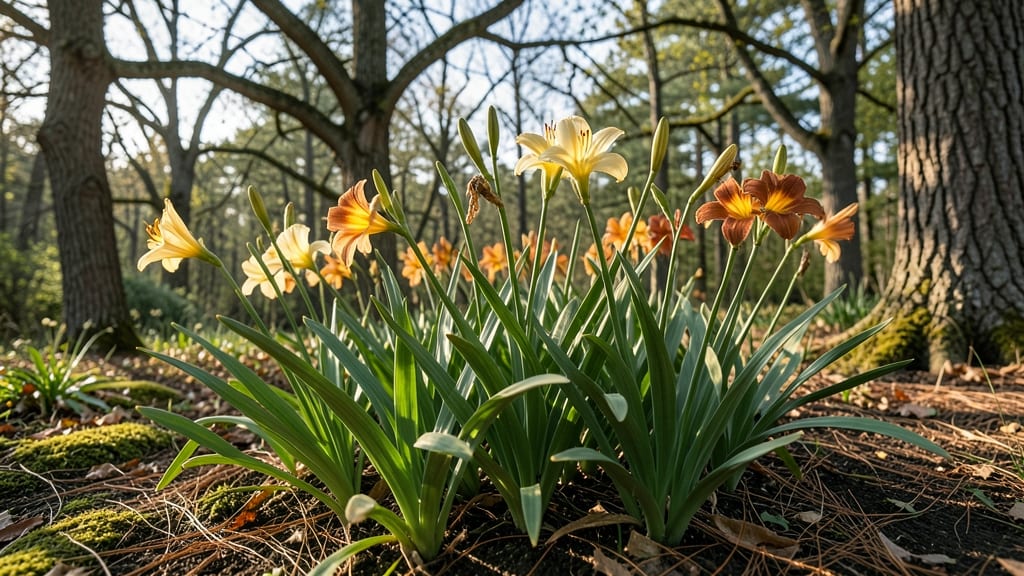
Spring is the perfect time to plant perennials that thrive with minimal effort. These 10 resilient perennial seeds will return year after year, offering beauty, pollinator support, and garden productivity with virtually no replanting required.
Black-Eyed Susan Seeds for Drought-Tolerant Color
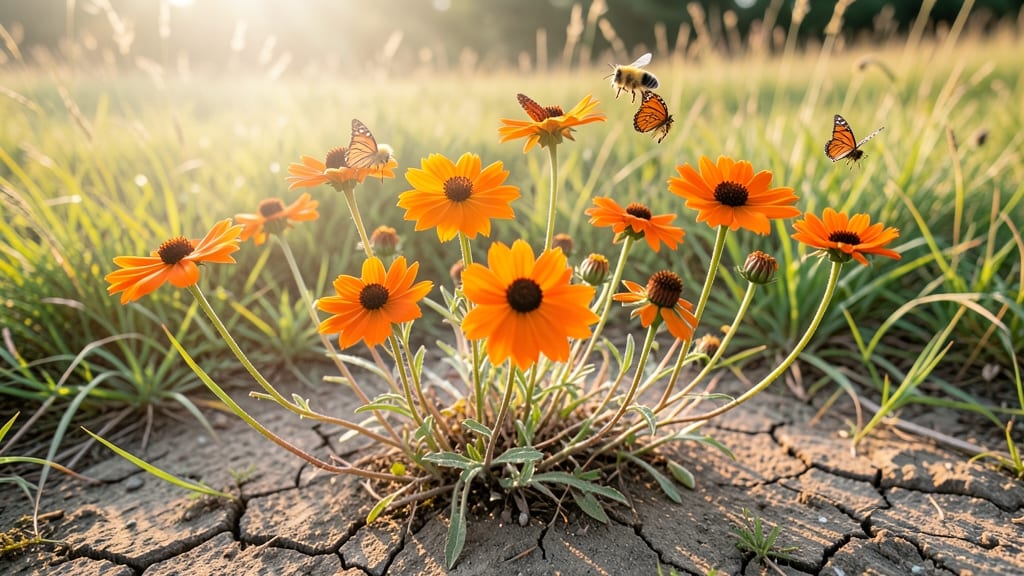
Looking for a no-fuss perennial that turns your garden into a pollinator paradise without demanding constant water? Black-eyed Susan seeds are your answer—these cheerful orange blooms thrive in dry conditions and even poor soil while keeping your garden vibrant for years.
Plant these seeds in full sun (6+ hours daily) and water lightly until established—once rooted, they’ll handle drought like a pro. Their late-summer to fall blooms provide nectar for bees, butterflies, and hummingbirds, making them a must-have for wildlife-friendly spaces. Plus, they self-seed easily, so you’ll get free flowers for seasons to come!
Perfect for urban gardens, sunny borders, or drought-prone areas, Black-eyed Susans bring effortless color with almost zero maintenance. 🌻
Lavender Seeds for Fragrant Pollinator Gardens
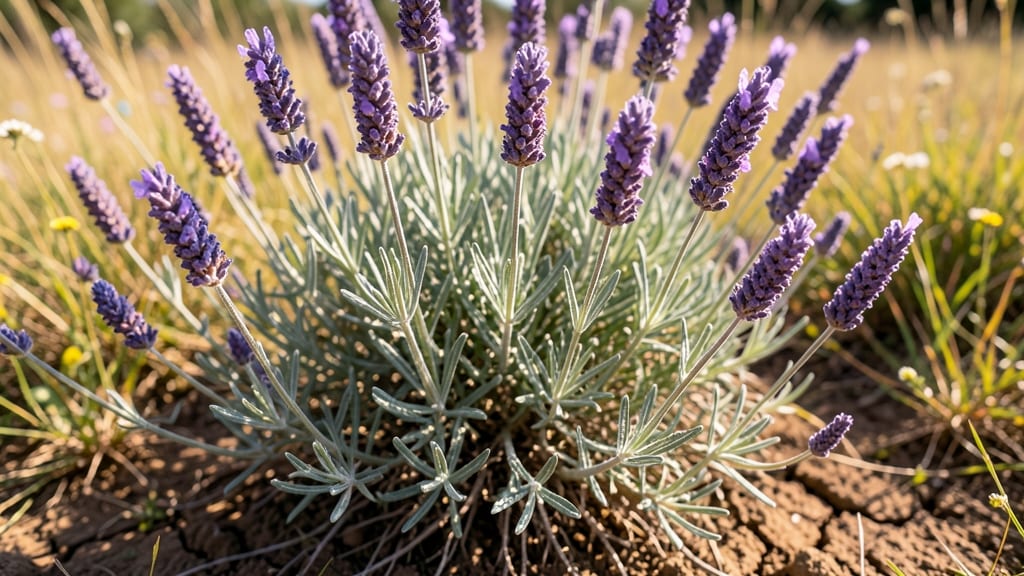
Transform your garden into a fragrant sanctuary with lavender seeds—a drought-resistant powerhouse that does double duty as both a pest repellent and pollinator magnet. Unlike other perennials, lavender’s aromatic oils naturally deter aphids, flea beetles, and even mosquitoes while filling the air with a soothing, floral scent.
Plant seeds in well-draining soil with 6-8 hours of full sun daily, spacing them 12-18 inches apart. Once established, lavender thrives on neglect—water only when the soil is completely dry, and prune lightly after blooming to encourage bushier growth. The purple spikes will return year after year, attracting bees and butterflies while adding a touch of Mediterranean charm to borders, containers, or rock gardens.
Perfect for urban gardeners with limited water access or those seeking low-maintenance beauty, lavender’s dual benefits make it a must-have for any spring planting list. 🌿
Russian Sage Seeds for Long-Blooming Purple Spikes
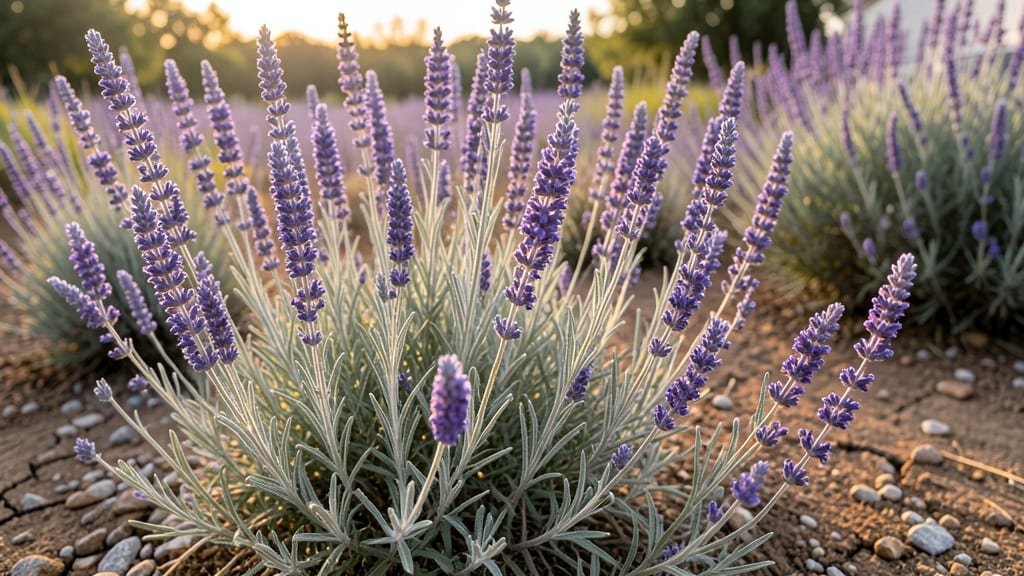
If you crave year-round color without the fuss of annuals, Russian sage delivers months of purple blooms from summer straight through fall—no deadheading required. This heat-loving perennial thrives where other plants wilt, making it perfect for hot, sunny spots that need low-maintenance drama.
Sow seeds in full sun locations (6+ hours daily) and watch them establish roots quickly in well-draining soil—they tolerate poor conditions once mature. Prune back stems in early spring to encourage bushier growth, but otherwise, this plant handles drought, deer, and even urban pollution like a champ. The silvery foliage adds texture year-round, even when not in bloom.
Ideal for urban gardeners, pollinator enthusiasts, and busy homeowners, Russian sage turns neglected corners into fragrant, buzzing havens with almost zero effort. 🌻
Coneflower Seeds for Wildlife-Friendly Gardens
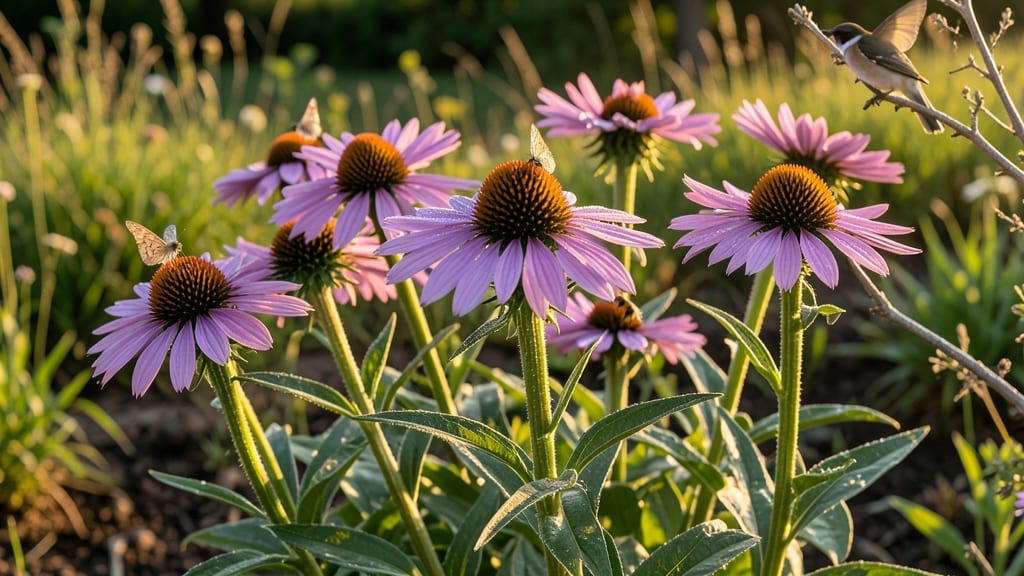
Transform your garden into a buzzing hub for pollinators with coneflower seeds—a native powerhouse that feeds butterflies, birds, and bees while standing strong against deer and disease. Unlike many perennials, coneflowers thrive in USDA zones 3-9, making them one of the most adaptable choices for nearly any climate.
Plant seeds in well-draining soil with full sun to partial shade, spacing them 12-18 inches apart for optimal airflow. The nectar-rich blooms attract monarchs and hummingbirds, while the disease-resistant foliage keeps your garden healthy. Deadhead spent blooms to encourage year-round color and seed production for wildlife.
Perfect for beginners and wildlife enthusiasts, coneflowers turn gardens into thriving ecosystems with minimal effort. 🌻
Catmint Seeds for Long-Lasting Blue Blooms
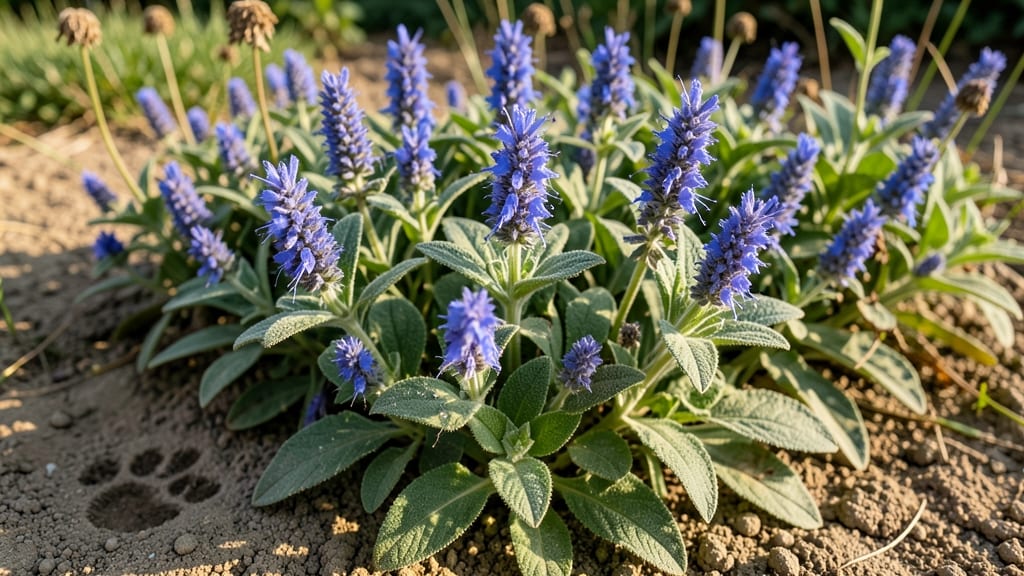
If you're tired of replanting annuals or dealing with cats digging up your garden, catmint is the solution you've been waiting for. This drought-proof perennial produces stunning blue flowers from spring until frost while keeping feline visitors at bay—no catnip here!
Plant seeds in well-draining soil with full sun exposure (6+ hours daily), and watch the silvery foliage and lavender-blue blooms take over. Unlike its cat-attracting cousin, catmint's strong mint scent repels cats naturally. Deadhead spent flowers to encourage even more blooms, and enjoy year-round color with minimal effort.
This low-maintenance beauty thrives in USDA zones 3-9, making it perfect for gardeners in nearly every region. Urban gardeners and pet owners will love how it deters pests while adding pollinator-friendly charm to borders and containers. 🌿
Yarrow Seeds for Cut Flower Arrangements
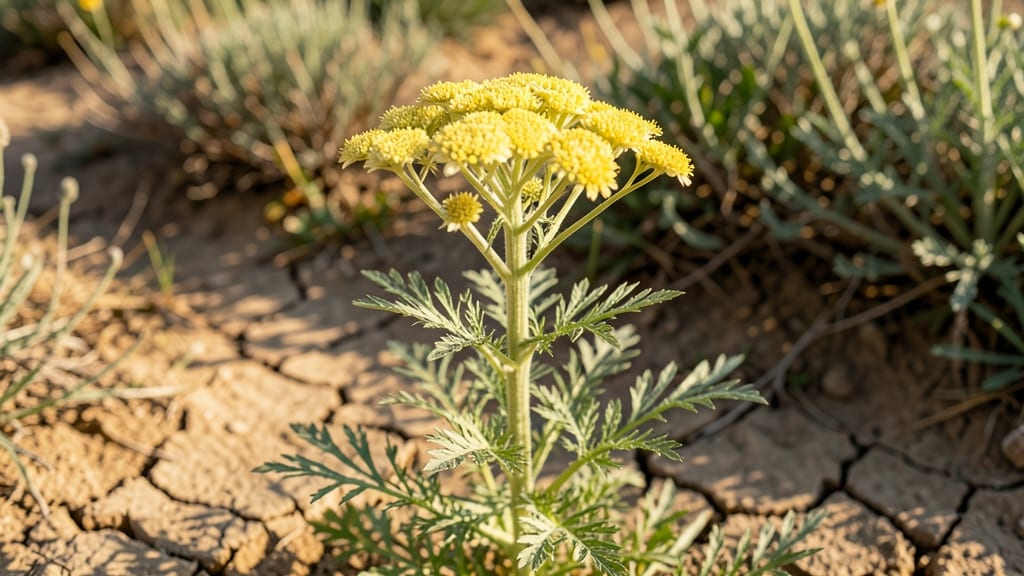
Looking to extend the life of your cut flower arrangements without sacrificing garden space? Yarrow delivers 10+ days of vase life with its flat-topped clusters that hold their shape beautifully. This hardy perennial thrives in poor soil and dry conditions, making it ideal for sunny borders or neglected corners of your garden.
Yarrow’s delicate, fern-like foliage adds texture to bouquets, while its flowers come in shades of white, pink, and yellow. Plant seeds in full sun for the best blooms, and deadhead spent flowers to encourage continuous blooming from early summer through fall. It’s a low-maintenance workhorse that rewards you with long-lasting cut flowers year after year.
Perfect for beginner gardeners and urban container growers, yarrow is a versatile choice that brings both beauty and practicality to your garden. 🌻
Salvia Nemorosa Seeds for Vibrant Red Spikes
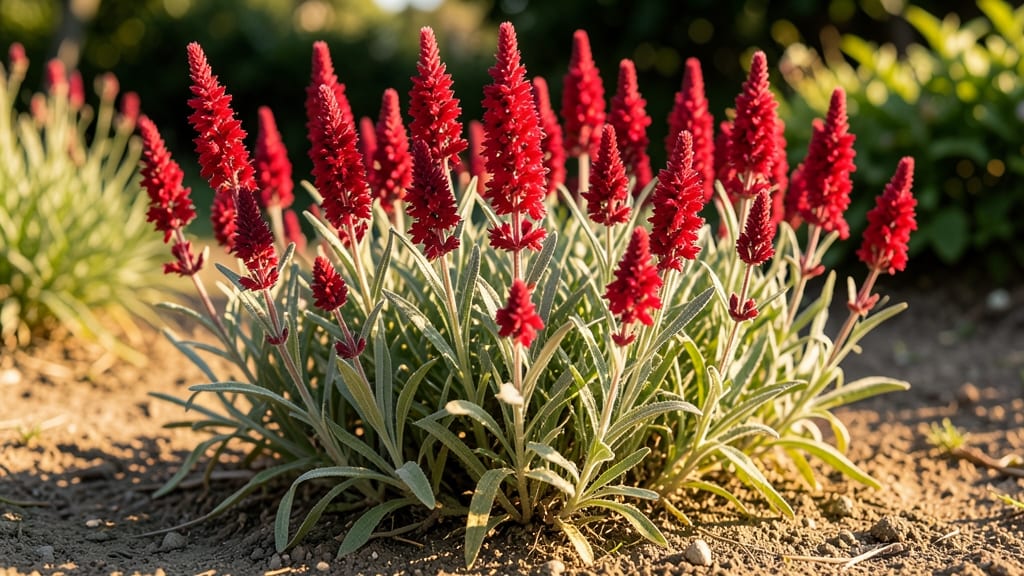
Want a heat-loving perennial that turns heads with bold red blooms from early summer straight through fall? Salvia nemorosa delivers the drama you crave while demanding almost no effort once established.
This cottage garden superstar thrives in full sun and well-drained soil, producing vibrant red spikes that hummingbirds and bees adore. Plant seeds in spring after the last frost, spacing them 18-24 inches apart for that classic cottage garden look. Deadhead spent blooms to encourage more flowers, and watch it spread over time—no replanting needed!
Perfect for gardeners who love bold colors with minimal fuss, this salvia brings year-round interest when paired with ornamental grasses. 🌻
Goldenrod Seeds for Late-Season Pollinator Support
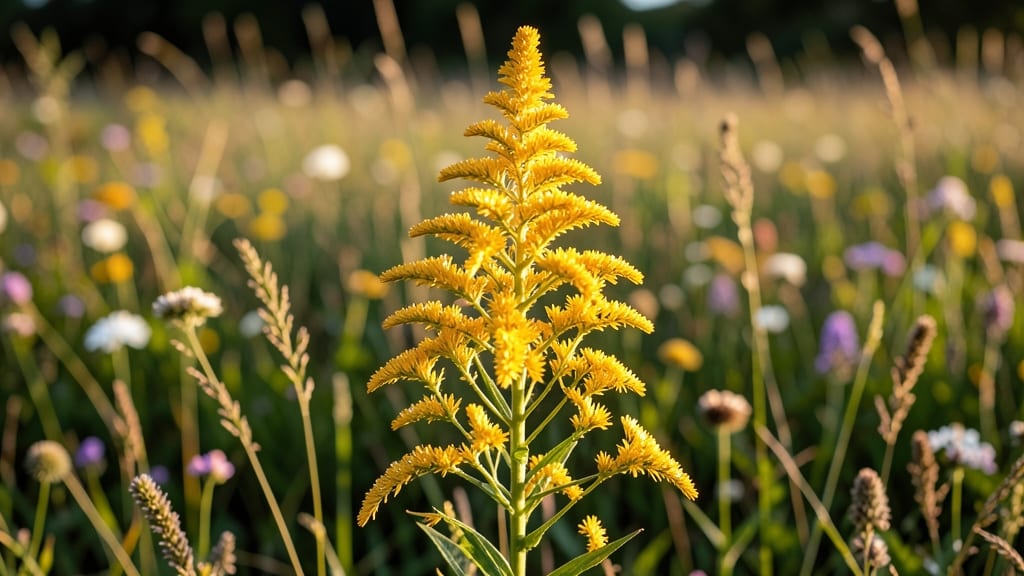
If you've ever blamed goldenrod for your seasonal allergies, you're not alone—but this sun-loving perennial is actually a pollinator's superfood. While ragweed (the real culprit) lurks nearby, goldenrod blooms from late summer through fall, providing critical nectar for bees and butterflies when other flowers fade.
Goldenrod thrives in poor, dry soils where many perennials struggle, making it perfect for sunny edges, meadows, or even neglected corners of your garden. Plant seeds in spring after the last frost, spacing them 12-18 inches apart for full, airy clusters. Once established, it spreads easily through self-seeding, creating natural drifts that hum with activity.
This low-maintenance workhorse is ideal for urban gardeners with rocky soil or native plant enthusiasts looking to extend the pollinator season. Just avoid cutting back until late winter—those dried stems provide winter shelter for beneficial insects. 🌻
Bee Balm Seeds for Hummingbird Attraction
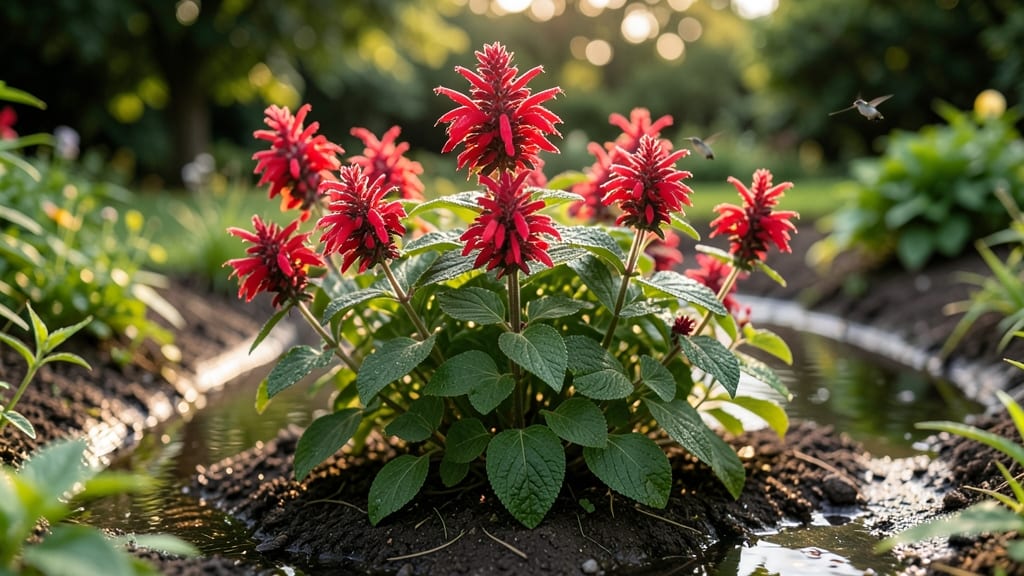
Want to turn your garden into a hummingbird hotspot? Bee balm (Monarda didyma) is your secret weapon—its bright red tubular flowers are irresistible to these tiny, acrobatic visitors. Unlike many perennials, bee balm thrives in moist, well-drained soil, making it ideal for garden edges, rain gardens, or near water features where other plants might struggle.
Plant seeds in spring after the last frost, spacing them 18-24 inches apart in full sun to partial shade. Deadhead spent blooms to encourage continuous flowering from mid-summer to fall, and watch as hummingbirds hover just inches from your fingertips. This native perennial also attracts bees and butterflies, doubling its pollinator appeal while resisting deer and rabbits naturally.
Perfect for wildlife gardeners and urban plot owners with moist soil, bee balm adds bold color and movement to any space. Just be sure to divide clumps every 3-4 years to prevent overcrowding. 🌻
Daylily Seeds for Shade-Tolerant Beauty

Tired of perennials that demand full sun or perfect soil? Daylilies (Hemerocallis) are the unsung heroes of shade gardens, offering year-round blooms with minimal fuss. These hardy perennials thrive in partial to full shade, making them perfect for woodland gardens, under trees, or north-facing beds where other plants struggle.
With over 60,000 registered cultivars, daylilies come in every color except true blue, and their continuous blooming from early spring to frost means you’ll enjoy flowers for months. They’re equally adaptable to clay, sandy, or rocky soil—just avoid soggy conditions. For best results, plant seeds in spring after the last frost, spacing them 12-18 inches apart for full, lush foliage that doubles as a striking backdrop.
Urban gardeners and busy homeowners will appreciate how low-maintenance daylilies are—no staking, no deadheading required, and they’re deer-resistant. Once established, they’ll multiply naturally, creating a vibrant, low-growing border that’s as tough as it is beautiful. 🌷