
Diseases
This entire process happens inside the flower's reproductive core.
Once pollen reaches the ovules through the stigma and style, fertilization triggers the ovary to swell and transform into fruit. 🌱 The fruit serves as a protective package for the developing seeds while also encouraging their dispersal through animals, wind, or water.
What's fascinating is how different plant families handle this—some fruits stay attached until ripe, while others release seeds as soon as they form.
The ovary's walls thicken and develop into the fruit's outer layers, whether it's a juicy berry or a tough pod. This transformation is driven by plant hormones like auxin and ethylene, which signal cell growth and maturation.
Understanding this process helps explain why some plants produce edible fruits while others develop seed pods that split open when dry.
💡 In This Article
- How the Ovary Transforms into Fruit After Pollination
- Key Flower Structures Involved in Seed Development
How the ovary transforms into fruit after pollination
The magic happens in the ovary, a hollow structure at the base of the flower that houses the ovules. When pollen lands on the stigma, it germinates and grows a pollen tube down through the style to deliver sperm cells to the ovules.
This fertilization event triggers a cascade of cellular changes—within 24-48 hours in many plants, the ovules begin developing into seeds while the ovary walls start expanding and thickening. 🌱 The key hormone here is auxin, which promotes cell elongation in the ovary walls, causing them to swell and transform into fruit tissue.
This transformation follows distinct stages: first, the ovary grows rapidly in size (sometimes doubling within 7-14 days), then the cell walls thicken and develop specialized tissues.
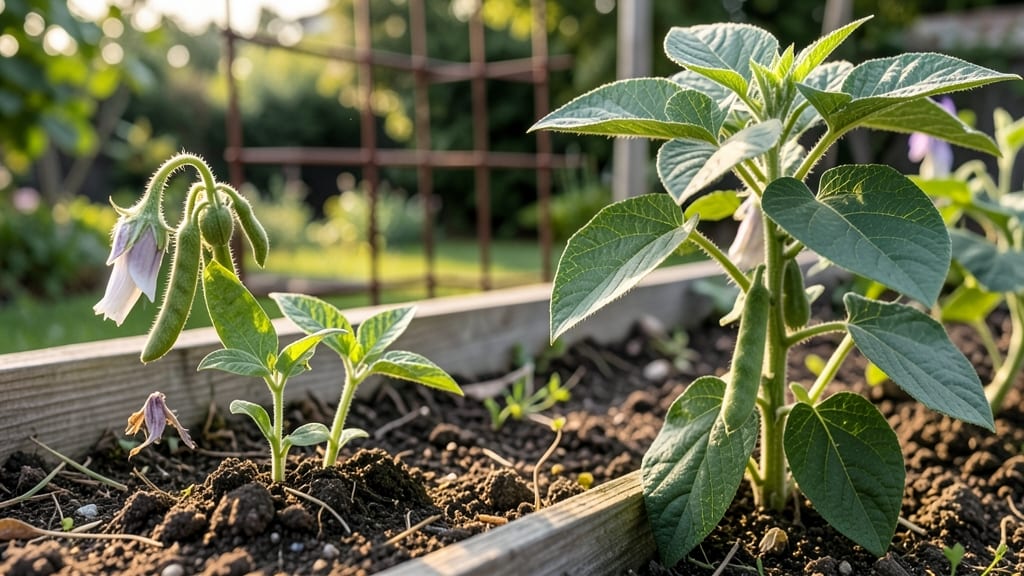
For example, in tomatoes, the ovary becomes the fleshy fruit we eat, while in peas, it forms a tough pod that splits open when dry.
The process is driven by ethylene gas released after fertilization, which signals the fruit to ripen—changing color, softening texture, and developing sweetness or other dispersal adaptations.
What's particularly fascinating is how different fruits develop from the same basic structure. A strawberry's "fruit" is actually an enlarged receptacle (the flower's base) with tiny achenes (true fruits) on its surface, while an apple's core contains the ovary's transformed tissues surrounding the seeds.
The ovary's transformation isn't just about growth—it's about creating a protective package that will eventually aid seed dispersal through animals, wind, or water.
Temperature plays a crucial role in this process. Many fruits develop best at 65-75°F, where enzymes work optimally to break down cell walls and build fruit structure. Below 50°F, growth slows dramatically, while above 90°F, fruits may develop unevenly or become prone to cracking.
This is why gardeners often protect young fruit from late frosts—those first critical days after pollination determine whether the ovary will successfully transform into viable fruit.
Consider the case of cherry tomatoes: after pollination, the ovary expands within 5-7 days into a small green fruit. Over the next 3-4 weeks, the fruit undergoes a dramatic color change from green to red as chlorophyll breaks down and lycopene accumulates.
Meanwhile, the seeds inside grow from microscopic ovules into fully formed embryos capable of germination when conditions are right. This dual development—fruit and seed—is what makes plant reproduction so efficient.
The final stage involves the fruit reaching maturity, where it develops characteristics that attract animals or release seeds. Some fruits become sweet and fleshy (like berries) to encourage animal consumption, while others develop hard shells (like acorns) that protect seeds until conditions are favorable.
This entire process, from pollination to mature fruit, typically takes 2-8 weeks depending on the plant species.