
Propagation
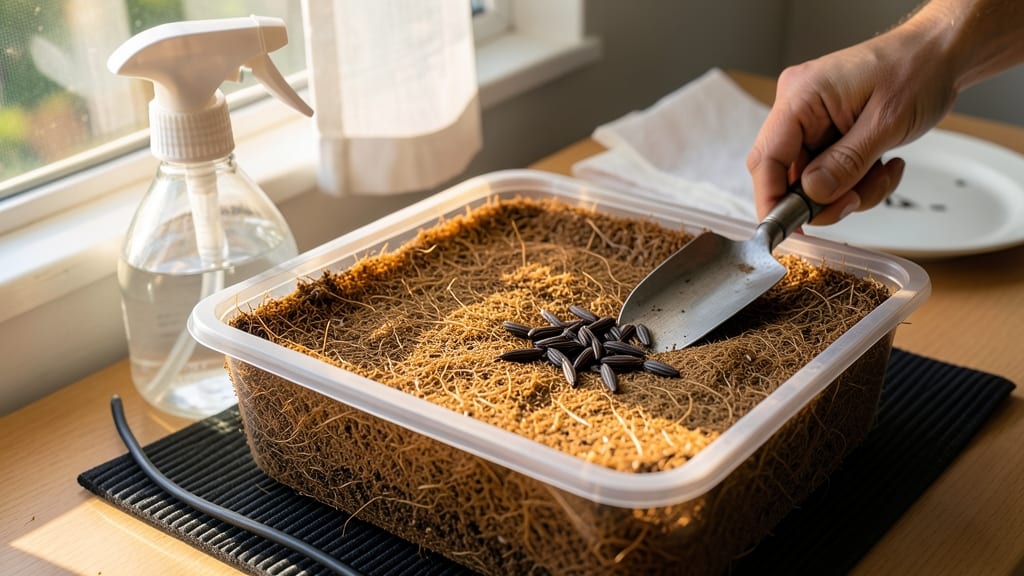
Passion flower seeds need that extra humidity push to break dormancy—and I’ve cracked the code with a simple trick that cuts germination time by nearly half. 🌱 After struggling with slow, spotty sprouts for years, I finally figured out how to create the perfect microclimate for these finicky seeds, and the results are shockingly fast.
The secret? A clear plastic dome (or even a sealed plastic bag) over your seed tray creates the tropical humidity these seeds crave.
Combine that with bottom heat—just a heating pad set to 75°F—and you’ll see those first tiny leaves peeking through in 7-10 days, not the usual 3-4 weeks. No fancy equipment needed, just patience and the right setup.
Once they sprout, you’ll notice sturdy seedlings with vibrant green leaves that tell you they’re ready for their first transplant. The key is keeping the soil consistently moist but never soggy—passion flowers hate wet feet. By the time they’re 3-4 inches tall, they’ll be strong enough to handle outdoor conditions.
This method works for both indoor starts and outdoor plantings, whether you’re growing in containers or preparing for a permanent garden spot. Here’s exactly how to set it up—no more waiting months for those exotic blooms to appear.
📚 In This Guide
- What you need
- Instructions
- Tips and common mistakes
- Wrapping up and next steps
What you need
- ● Passion flower seeds: Fresh, high-quality seeds (10–20 seeds per batch for best results). Look for seeds labeled as "non-GMO" or "organic" if possible.
- ● Seed-starting mix: A well-draining, sterile potting mix (1–2 cups). Avoid garden soil—it can harbor pests or diseases.
- ● Seed trays or small pots: 2–4 inch pots or a seed tray with drainage holes (1–2 per seed or cluster). Clear plastic or biodegradable pots work great!
- ● Humidity dome or plastic wrap: A clear plastic dome (for seed trays) or plastic wrap (cut to size). If using a dome, ensure it’s snug but not airtight.
- ● Spray bottle: A fine-mist sprayer (8 oz capacity) to keep the soil moist without overwatering.
- ○ Heat mat (optional but helpful): A seedling heat mat (set to 70–75°F) to speed up germination. Place under the tray for consistent warmth.
- ● Grow lights or sunny windowsill: A full-spectrum LED grow light or a south-facing window (6+ hours of indirect light daily). Passion flowers love warmth!
- ● Tweezers or pencil: For gently pressing seeds into the soil without damaging them.
- ● Bottom watering tray: A shallow tray or saucer to hold water for indirect hydration.
- ● Humidity monitor: A small hygrometer (40–60% humidity is ideal for germination).
- ● Fertilizer (post-germination): A diluted seaweed or fish emulsion fertilizer (once seedlings have 2–3 true leaves).
- ● Perforated lid or mesh: If your humidity dome lacks ventilation, poke tiny holes with a needle to prevent mold.
Step-by-step instructions for germinating passion flower seeds
Here's how I get passion flower seeds sprouting in just 7-10 days—no waiting months for stubborn germination.
🌱 Step 1: Soak Seeds Overnight for Faster Germination
Passion flower seeds have tough outer shells that slow germination. Place them in a small bowl and cover with lukewarm water for 12-24 hours. This softens the seed coat and speeds up sprouting. I like to use a mesh bag or paper towel to keep seeds contained while soaking.
Check them after 12 hours—if they're still hard, soak another 12 hours. You'll know they're ready when the outer shell starts to crack slightly. Drain the water completely before planting; soggy seeds can rot before they sprout.
🌿 Step 2: Prepare Containers and Moisture-Retentive Mix
Use small pots or seed trays with drainage holes. Fill them with a mix of 50% peat moss and 50% perlite—this keeps moisture consistent while preventing rot. Moisten the mix until it feels like a damp sponge, but not dripping wet.
Press the soil down lightly to remove air pockets, then create small ¼-inch deep holes for each seed. Space them 1 inch apart to avoid overcrowding later. Passion flower seeds are tiny, so I use a toothpick to place them precisely.
💧 Step 3: Plant Seeds and Create a Humidity Dome
Place 1-2 seeds per hole (just in case one fails to sprout) and cover lightly with soil. Mist the surface gently with water until the soil looks evenly damp. The key to fast germination is keeping the soil consistently moist but not waterlogged.
Cover the tray with a clear plastic dome or wrap tightly with plastic wrap to create a greenhouse effect. This traps humidity and warmth, which passion flower seeds crave. Place the setup in a warm spot—75-85°F is ideal. You'll see condensation on the dome within hours—that's your sign the humidity is perfect.
☀️ Step 4: Monitor and Maintain Ideal Conditions
Check seeds daily for sprouts, which should appear in 7-10 days. Remove the dome immediately once you see the first green tips—leaving it on too long causes mold. Keep the soil moist by misting lightly every 2-3 days.
Once seedlings have 2-3 true leaves, transplant them into individual pots. Passion flowers grow fast, so don't wait too long. Watch for leggy growth—a sign they need more light. Move them under a grow light if natural light is weak.
⏰ Step 5: Harden Off Before Outdoor Planting
After 4-6 weeks of indoor growth, start hardening off seedlings. Place them outside in a shaded spot for 1-2 hours the first day, gradually increasing time over 10 days. This prepares them for full sun and prevents shock.
Passion flowers love warmth, so wait until nighttime temperatures stay above 55°F before planting outdoors. Choose a spot with full sun to partial shade—they'll reward you with vibrant blooms and fast growth. Watch for new vines as your signal they're thriving!
Tips & tricks for faster passion flower sprouts
Here's what nobody tells you about getting those stubborn passion flower seeds to sprout in record time.
Soaking Strategy: The 12-24 hour soak is your secret weapon—don't rush it! I've seen seeds that soaked for exactly 12 hours still need extra time to crack open. If your seeds feel rock-hard after 12 hours, give them another 12 hours rather than planting them dry. Pro tip: Use a clear bowl so you can see when the outer shell starts to develop tiny cracks—this is your green light to plant.
Temperature Matters: That 75-85°F range isn't just a suggestion—it's critical. If your home runs cooler, place your humidity dome setup on top of your fridge (not inside) or use a seedling heat mat. I've had batches fail because I assumed my kitchen was warm enough—turns out it was only 70°F at night. A simple thermometer near your setup will save you from wasted time and effort.
Humidity Dome Hack: When creating your humidity dome, don't just slap on plastic wrap—leave a tiny gap for airflow. I learned this the hard way when my first batch developed mold after 3 days. Cut a few small holes in the plastic or use a clear plastic container with a lid that has ventilation holes. The goal is 90% humidity, not 100%—your seeds need to breathe!
Transplant Timing: Those 2-3 true leaves are your cue to act fast! I've seen seedlings get leggy and weak if left too long in the seedling tray. Once you spot the third true leaf, move them to individual pots immediately. Use a small trowel to lift the whole soil block—this prevents transplant shock. The faster you transplant, the stronger your seedlings will be when it's time to harden off.
Pro Tips for Passion Flower Seed Germination
- Here's what nobody tells you about getting those stubborn passion flower seeds to sprout in record time.
- Soaking Strategy: The 12-24 hour soak is your secret weapon—don't rush it!
- Temperature Matters: That 75-85°F range isn't just a suggestion—it's critical.
Frequently asked questions
Got questions about germinating passion flower seeds? You’re not alone—this process can feel tricky at first! Below, we’ve rounded up the most common queries to help you grow those vibrant vines with confidence.
How long does it take for passion flower seeds to germinate?
With the humidity-dome trick, you’ll typically see sprouts in 10–21 days. Some seeds may take longer, especially if they’re older or stored improperly. Keep the soil consistently moist (not soggy!) and patient—warmth (70–80°F) speeds things up.
Why aren’t my passion flower seeds sprouting?
Common culprits include cold soil (seeds need warmth), dry conditions (use the humidity dome!), or old seeds (viability drops after 1–2 years). Try scarifying the seeds (lightly sanding the shell) or soaking them overnight to break dormancy. If all else fails, test a few seeds in a damp paper towel—if they rot, they’re likely past their prime.
Can I speed up germination without a humidity dome?
While a humidity dome is ideal, you can mimic it with a clear plastic bag (poke holes for airflow) or a spray bottle for daily misting. Place the container in a warm, bright spot (avoid direct sun) and monitor moisture closely. Just remember: consistency is key—seeds need steady humidity to wake up!
Should I use store-bought seed starter mix or make my own?
Both work, but homemade mixes (50% peat moss, 50% perlite) often drain better. If using store-bought, opt for a lightweight, seed-starting blend—avoid heavy garden soil, which can compact and suffocate sprouts. Sterilize your mix (bake at 200°F for 30 mins) to prevent mold. Pro tip: Add a tiny pinch of cinnamon to deter fungal issues!
Can I germinate passion flower seeds outdoors?
Outdoor germination is risky unless you’re in a warm, frost-free climate (zones 9–11). Seeds need consistent moisture and warmth—outdoor temps can fluctuate wildly, slowing or halting sprouts. If you must try it, use a protected microclimate (like a greenhouse or under a tree) and cover seeds with a cloche or row cover for extra humidity.
What’s the best way to transplant seedlings?
Wait until seedlings have 2–3 true leaves (not just the initial seed leaves) and are 1–2 inches tall. Harden them off for 3–5 days by placing them in partial shade outdoors daily. Transplant in well-draining soil, burying up to the first set of leaves, and water gently. Avoid disturbing roots—gentle = happier plants!
Wrapping up and next steps
Mastering the humidity-dome trick for passion flower seed germination unlocks a world of vibrant, thriving plants with minimal fuss! 🌱 By keeping seeds cozy, moist, and patient, you’ve got the perfect recipe for faster, stronger sprouts—no green thumb required.
Whether you’re a seasoned gardener or just starting, this method proves that great things grow from small, consistent efforts.
Now that you’re armed with the know-how, why not plant those seeds today? Set up your humidity dome, track your progress, and soon you’ll be rewarded with lush passion flowers to admire—or even share with fellow plant lovers. Happy growing! 🌿✨