
Lawn
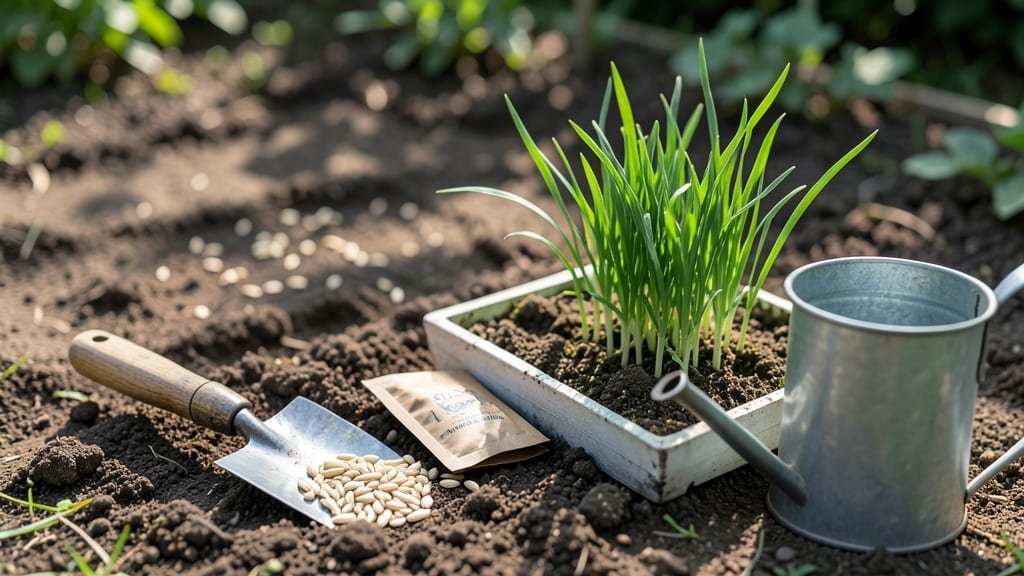
Oat seed grass breaks dormancy faster than most cool-season grasses—that’s the secret to getting a head start on spring growth. 🌱 I’ve used it to green up bare patches before tulips even peek through the soil, and once you try it, you’ll never go back to slow-germinating blends.
The trick is simple: sow seeds when soil temps hit 40°F, keep them moist but not soggy, and avoid compacting the soil. It thrives in full sun to partial shade, tolerates poor soil better than most grasses, and even outcompetes weeds once established.
No fancy prep needed—just rake, scatter, and water. By week 3, you’ll see bright green shoots pushing through, and by month 2, it’s dense enough to walk on. Perfect for erosion control, wildlife-friendly buffers, or just filling in those stubborn bare spots where nothing else takes hold.
Works in zones 3-9, handles drought better than fescue, and even survives light foot traffic. Here’s how to make it work for your yard—no green thumb required.
📚 In This Guide
- What you need
- Instructions
- Tips and common mistakes
- Wrapping up and next steps
What you need
- ● Oat seed grass seed: 20–50 lbs per 1,000 sq. ft. (choose certified cold-hardy varieties like Avena sativa or Avena fatua for best results).
- ● High-quality seed starter soil: 1–2 bags (sterilized, well-draining mix with 60–70% organic matter).
- ● Compost or organic fertilizer: 5–10 lbs (5-10-5 NPK ratio for balanced growth).
- ● Watering can or hose with a gentle spray nozzle: For even moisture without disturbing seeds.
- ● Garden rake: Fine-toothed for leveling soil and covering seeds lightly.
- ○ Handheld or broadcast spreader: For even seed distribution (optional but helpful for large areas).
- ● Garden gloves: To protect hands from soil and sharp seed coatings.
- ● Row marker or string line: For straight rows (if planting in beds).
- ● Mulch (straw or peat moss): 1–2 inches thick to retain moisture and suppress weeds.
- ● Test soil pH: Aim for 6.0–7.0 (use a kit or send a sample to a local extension office). Adjust with lime or sulfur if needed.
- ● Choose the right timing: Plant in early spring or late summer for optimal germination in cool climates.
- ● Clear the area: Remove weeds, rocks, and debris to reduce competition.
How to grow cold-hardened oat seed grass for faster germination
Here's the method I've used to get oat seed grass sprouting in record time—even in chilly conditions.
🌱 Step 1: Stratify Seeds for Cold Hardening
Place oat seeds in a sealed container with a damp paper towel. I use a quart-sized zip-top bag with a few drops of water—just enough to moisten without soaking. Seal it and refrigerate for 7-14 days. This mimics winter conditions and triggers faster germination once warmed. Check daily for mold; if you see fuzzy spots, toss the batch and start fresh.
The reason this works is that cold exposure breaks seed dormancy. You'll know it's ready when the seeds look plump and slightly swollen. I like to give them a gentle shake each day to prevent clumping—this ensures even moisture distribution.
💧 Step 2: Prepare Growing Medium and Plant
Fill 4-inch deep containers with a mix of 50% potting soil and 50% coarse sand (or perlite) to improve drainage. I press the mix down lightly with my fingers until it's firm but not compacted. Moisten it until it feels like a wrung-out sponge—damp but not dripping.
Scatter seeds ¼ inch deep across the surface, spacing them ½ inch apart. I use a toothpick to create tiny divots for each seed—this ensures consistent depth. Cover lightly with a sprinkle of additional mix, then mist the surface with water until evenly damp. Don't water from above after planting; you'll risk burying seeds too deep.
☀️ Step 3: Provide Warmth and Light for Germination
Place containers in a warm spot (65-75°F) with bright, indirect light. A sunny windowsill works, but I often use a grow light on a timer for 12-14 hours daily. You'll see the first sprouts in 5-10 days—watch for tiny white tips pushing through the soil.
Once seedlings reach 2 inches tall, thin them to 1 inch apart to prevent overcrowding. Use small scissors to snip excess seedlings at soil level rather than pulling—this reduces root disturbance. I always keep a spray bottle nearby to mist seedlings if the top inch of soil feels dry.
✂️ Step 4: Harden Off and Transplant
After 3-4 weeks, when seedlings show 3-4 true leaves, it's time to harden them off. Move containers outside to a sheltered spot for 1 hour the first day, gradually increasing to full sun exposure by day 5. This prepares them for outdoor conditions and prevents shock.
Transplant to your final location when nighttime temperatures stay above 45°F. Space plants 6 inches apart in well-draining soil. Water deeply at the base—avoid overhead watering to prevent fungal issues. You'll see rapid growth once established, with mature grass ready in 6-8 weeks.
Tips & tricks for perfect oat seed grass germination
Took me a while to figure these out, so here's what nobody tells you about getting oat seed grass to sprout reliably.
Cold Exposure is Key: That 7-14 day refrigeration period is non-negotiable for breaking dormancy. I learned this the hard way after trying to skip it—seeds just sat there! If your kitchen is particularly cold (below 40°F), extend to 16 days. The goal is to mimic winter conditions that trigger germination hormones.
Seed Depth Matters: Planting oat seeds just ¼ inch deep might seem shallow, but this is crucial. Deeper planting risks rot, while shallower planting can expose seeds to drying. Use a toothpick to create those tiny divots—it's the secret to consistent germination. I've found that seeds planted too deep often fail to emerge properly.
Lighting Strategy: While bright indirect light works, I've had the most success with grow lights on a 12-14 hour timer. Regular sunlight can be too intense for young seedlings, causing stress. If using a windowsill, rotate containers daily so all sides get equal light exposure. Uneven lighting leads to leggy, weak sprouts.
Harden Off Gradually: The 1 hour to full sun transition over 5 days is critical. I've seen seedlings shock and die when moved too quickly to direct sunlight. Start with morning sun only, then gradually increase exposure. This toughens the seedlings and prepares them for outdoor conditions without causing sunburn.
Pro Tips for Oat Seed Grass
- Took me a while to figure these out, so here's what nobody tells you about getting oat seed grass to sprout reliably.
- Cold Exposure is Key: That 7-14 day refrigeration period is non-negotiable for breaking dormancy.
- Seed Depth Matters: Planting oat seeds just ¼ inch deep might seem shallow, but this is crucial.
Frequently asked questions
about growing oat seed grass—here’s what you need to know before planting!How fast does oat seed grass grow compared to other grasses?
Oat seed grass germinates and establishes faster than traditional cool-season grasses like fescue or ryegrass, often breaking dormancy in 7–14 days with ideal conditions. Its rapid growth makes it perfect for early spring or fall overseeding, outpacing slower grasses by 2–3 weeks.
Can oat seed grass survive winter, or should I remove it?
While oat seed grass is cold-hardy, it’s not as durable as perennial grasses like Kentucky bluegrass. It’ll die back in freezing temps but self-seeds aggressively in spring. For a permanent lawn, plant it with a mix of perennial grasses, or remove it after flowering (usually by late summer).
What’s the best way to prepare soil for oat seed grass?
Loosen soil to ¼–½ inch deep, remove debris, and rake for a smooth seedbed. A light top dressing of compost improves germination. Avoid heavy tilling—oat seed grass thrives in moderately fertile, well-draining soil. Test pH (ideal: 6.0–7.0) and adjust if needed.
Do I need special equipment to plant oat seed grass?
No! A broadcast spreader or hand-seeding works fine. For larger areas, a slit seeder ensures even coverage. Lightly rake seeds into soil (¼ inch deep) and water gently. Avoid heavy foot traffic until germination (usually 1–2 weeks).
What pests or diseases should I watch for with oat seed grass?
Common issues include chinch bugs (early signs: yellow patches) and dollar spot fungus (brown spots with white centers). Prevent pests with neem oil or diatomaceous earth. For fungus, improve airflow and water in the morning to keep blades dry.
Wrapping up and next steps
Growing oat seed grass is a rewarding way to establish a lush, cold-hardy lawn—especially when you want faster germination and resilience against harsh conditions. 🌱 By following the right steps—from soil prep to proper watering and dormancy management—you’ll unlock a vibrant, low-maintenance green space that thrives even in cooler climates. Now’s your chance to take action!
Ready to transform your yard? Start small with a test patch, monitor progress, and adjust techniques as needed. With patience and care, your oat seed grass will soon become the envy of the neighborhood. Happy growing! 🌿