
Size
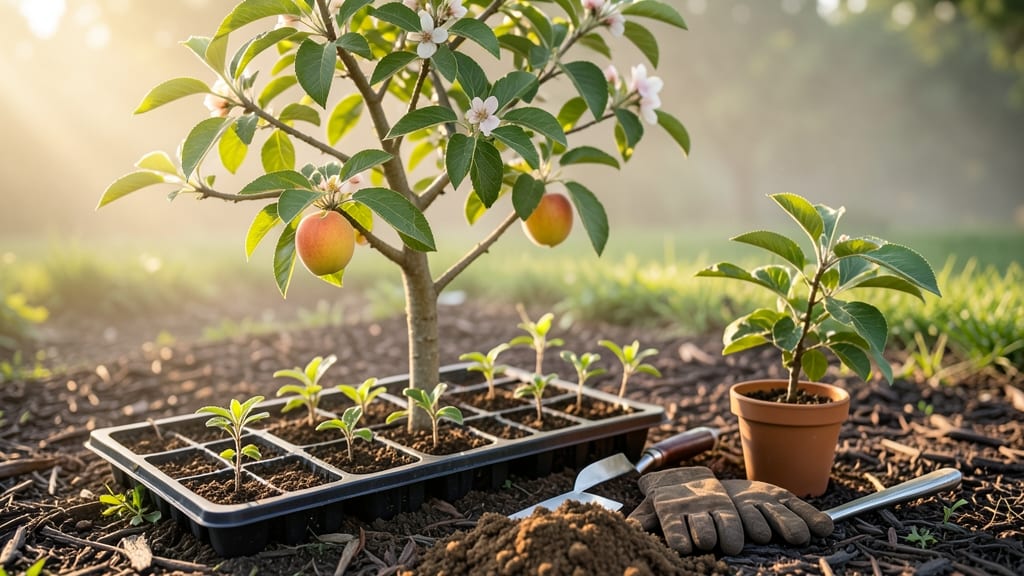
Growing a nectarine seed in a garden turns your kitchen scraps into a future fruit bonanza. 🌱 The process starts with a pit from your favorite nectarine—one that could grow into a tree with unique, possibly improved fruit if you're patient enough.
Unlike store-bought trees, seed-grown nectarines develop over years, but the journey itself is rewarding and full of surprises.
First, you'll need a few supplies: a nectarine pit, water, a paper towel, a plastic bag, and some potting soil. The real magic happens during stratification—mimicking winter to trick the seed into thinking it's time to grow.
After about 6-8 weeks in the fridge, you'll see tiny roots emerge, signaling it's time to plant. This step alone separates the successful growers from those who give up too soon.
Once sprouted, your seedling will need consistent moisture and bright light to thrive. Within a few months, you'll have a small tree ready for transplanting into the ground or a large container.
The first year focuses on establishing strong roots, while years two and three bring rapid growth—though fruit may take 5-7 years to appear. Patience pays off with a tree that's uniquely yours.
Seed-grown trees aren't guaranteed to produce perfect fruit like grafted varieties, but they often develop hardier roots and unexpected traits. Embrace the adventure—your kitchen trash could become a backyard treasure. Here's how to make it happen without losing hope along the way.
📚 In This Guide
- What you need
- Instructions
- Tips and common mistakes
- Wrapping up and next steps
What you need
- ● Nectarine seeds: 1–3 fresh, plump seeds (harvested from ripe, organic nectarines—avoid store-bought fruit treated with chemicals).
- ● Small pots or containers: 3–5 (4–6 inches deep) with drainage holes. Tip: Use biodegradable pots for easier transplanting!
- ● Potting mix: 1–2 bags of high-quality, well-draining seed-starting mix (avoid garden soil—it’s too dense!).
- ● Plastic wrap or humidity dome: 1 sheet or cover to create a mini greenhouse effect.
- ● Spray bottle: 1 (for gentle watering).
- ● Grow lights or sunny windowsill: Access to 6–8 hours of indirect light daily (or a seedling light for 12–14 hours).
- ● Fertilizer: 1 small bottle of balanced, water-soluble fertilizer (5-5-5 or 10-10-10, diluted to half-strength).
- ● Pruning shears: 1 pair (for future shaping, once your tree is established).
- ● Seed stratification kit: A small refrigerator or cold frame (if your climate requires chilling seeds for germination).
- ● Heat mat: 1 (to speed up germination in cooler climates).
- ● Soil moisture meter: 1 (to monitor water levels without over-saturating).
- ● Epsom salt: A small bag (for magnesium boost during early growth).
- ● Garden twine & stakes: For supporting young trees as they grow taller.
Step-by-Step instructions for growing nectarine trees from seed
Turn that juicy nectarine into a tree—here’s how to start with kitchen scraps.
🌱 Step 1: Extract and Prepare the Seed
Save a fresh, plump nectarine pit from organic fruit (conventional pits may carry chemical residues). Rinse it clean and let it air-dry for 24 hours—this prevents mold. I like to wrap it in a paper towel and place it in a warm, dry spot (like a sunny windowsill) to speed up the drying process.
Once fully dry, gently crack the pit open with a nutcracker or hammer—you’ll find a single, dark seed inside. The seed needs stratification (a cold period) to break dormancy, so place it in a sealed plastic bag with a damp paper towel. Store it in your fridge’s crisper drawer for 8-12 weeks. Check it monthly: the towel should stay moist but not soggy.
💧 Step 2: Germinate the Seed Indoors
After stratification, remove the seed and soak it in lukewarm water for 12 hours to soften the outer shell. Plant it ½ inch deep in a small pot filled with sterile seed-starting mix (not garden soil). I use a 4-inch pot to give roots room to establish before transplanting.
Cover the pot with plastic wrap to retain moisture and warmth, then place it in a bright, indirect light spot (like an east-facing window). Germination can take 4-8 weeks—patience is key. Keep the soil evenly moist (not soggy) by misting lightly every 2-3 days. You’ll know it’s working when a tiny sprout pushes through the soil.
☀️ Step 3: Transplant and Care for the Seedling
Once the seedling reaches 4-6 inches tall (usually after 3-4 months), transplant it into a 5-gallon container with well-draining potting mix. Choose a spot with full sun (at least 6-8 hours daily) and protect it from strong winds, which can stress young trees.
Water deeply once a week, letting the top 2 inches of soil dry out between waterings. Overwatering is the biggest killer—yellowing leaves signal too much moisture. In spring, fertilize lightly with a balanced 10-10-10 formula to encourage leafy growth. Avoid heavy feeding until the tree is 2 years old—it needs to focus on root development first.
⏰ Step 4: Prepare for Outdoors (Year 2+)
By late spring of its second year, your nectarine tree should be 3-4 feet tall with a sturdy trunk. Harden it off by moving it outdoors for gradual 2-hour stretches over 2 weeks, then plant it in the ground in a sunny, sheltered spot with well-draining soil. Dig a hole twice as wide as the root ball but no deeper.
Mulch around the base with 2-3 inches of organic mulch (like wood chips) to retain moisture and regulate soil temperature. Prune any damaged branches and remove suckers (shoots growing from the base) to direct energy upward. It’ll take 5-7 years before your tree bears fruit—but the wait is worth it for homegrown nectarines!
Tips & tricks for growing nectarine trees from kitchen scraps
Here's what nobody tells you about turning fruit pits into thriving trees—trust me, these details make all the difference.
Drying Matters: That 24-hour drying period in Step 1 isn't just about preventing mold—it's about breaking down the seed's natural defenses. I've found that using a fan on low speed during drying cuts the time to 18 hours while preventing moisture buildup. Just don't skip this step: damp seeds won't stratify properly and may rot in the fridge.
Stratification Hack: For the 8-12 week cold treatment, I like to wrap the seed in two layers of damp paper towel instead of one. This creates better moisture control and prevents the seed from drying out completely during storage. Place a small piece of cardboard at the bottom of your plastic bag to keep the seed elevated—this prevents excess moisture pooling around it.
Germination Light Secret: While bright indirect light works for Step 2, I've had better success with a seedling heat mat set to 75°F under the pot. This mimics natural soil warmth and can cut germination time from 4-8 weeks to 3-5 weeks. Just keep that plastic wrap on to maintain humidity—you'll notice tiny water droplets forming on the inside as condensation.
Transplant Timing: The 4-6 inch height guideline in Step 3 is perfect, but I watch for two additional signs before transplanting: when the seedling has at least 3-4 true leaves (not just the initial sprouts) AND when roots start growing out of the drainage holes. This usually happens around month 3, but don't rush—wait until you see these signs before moving to the 5-gallon container.
Pro Tips for Nectarine Seed Grow A Garden
- Here's what nobody tells you about turning fruit pits into thriving trees—trust me, these details make all the difference.
- Drying Matters: That 24-hour drying period in Step 1 isn't just about preventing mold—it's about breaking down the seed's natural defenses.
- Stratification Hack: For the 8-12 week cold treatment, I like to wrap the seed in two layers of damp paper towel instead of one.
Frequently asked questions
Got questions about growing a nectarine tree from seed? You’re not alone—this process can feel like a mix of science and patience! Below, we’ve rounded up the most common queries to help you navigate your seed-to-tree journey with confidence.
Can you really grow a nectarine tree from a seed?
Yes! Nectarines are stone fruits, just like peaches, so their seeds are technically viable for growing. However, the tree you grow won’t produce fruit identical to the parent plant—it’s a genetic lottery! Expect surprises in size, flavor, or even color. For consistent fruit, grafting is the pro move.
How long does it take for a nectarine seed to sprout?
Patience is key! After cold stratification (4–6 weeks in the fridge), seeds typically sprout within 1–3 weeks once planted in soil. Germination can take longer if conditions (moisture, warmth) aren’t ideal. Keep the soil consistently damp but not soggy—think of it like a cozy blanket for your tiny seedling.
What’s the best climate for growing a nectarine tree from seed?
Nectarines thrive in USDA Zones 5–9, where they enjoy full sun (6+ hours daily) and well-draining soil. If you’re in a cooler zone (like Zone 4), start seeds indoors early and protect young trees from frost. Hot climates? Mulch heavily to retain moisture—these trees hate drought stress.
Will my homegrown nectarine tree produce edible fruit?
Yes, but don’t expect gourmet quality! Seed-grown trees take 5–7 years to bear fruit, and the first harvest may be small or irregular. For reliable, tasty nectarines, consider grafting a known variety onto your seedling later. Plus, store-bought fruit is often bred for sweetness—your tree might need a little extra TLC (or a sweet tooth!).
What should I do if my nectarine seed doesn’t sprout?
Don’t toss it just yet! Try these fixes:
- Check viability: Soak the seed in water for 24 hours—if it sinks, it’s alive! If it floats, it’s likely dead.
- Re-stratify: Return it to the fridge for another 2–4 weeks.
- Adjust conditions: Ensure soil is warm (70–80°F) and moist but not waterlogged.
- Try a new seed: Some nectarine varieties have lower germination rates—don’t give up!
Wrapping up and next steps
Growing a nectarine tree from seed is a rewarding journey that connects you to nature’s cycle—plus, it’s a fun way to turn kitchen scraps into something magical! 🌱 While it may take patience (and a bit of luck), the process is simple and deeply satisfying.
Once your tree matures, you’ll enjoy fresh, homegrown fruit straight from your own backyard.
Ready to take the next step? Start by planting your seeds indoors this fall, then transplant seedlings outdoors in spring. Keep nurturing your young tree with care, and in a few years, you could be harvesting sweet, juicy nectarines—all from a seed you saved! 🍑✨