
Lawn
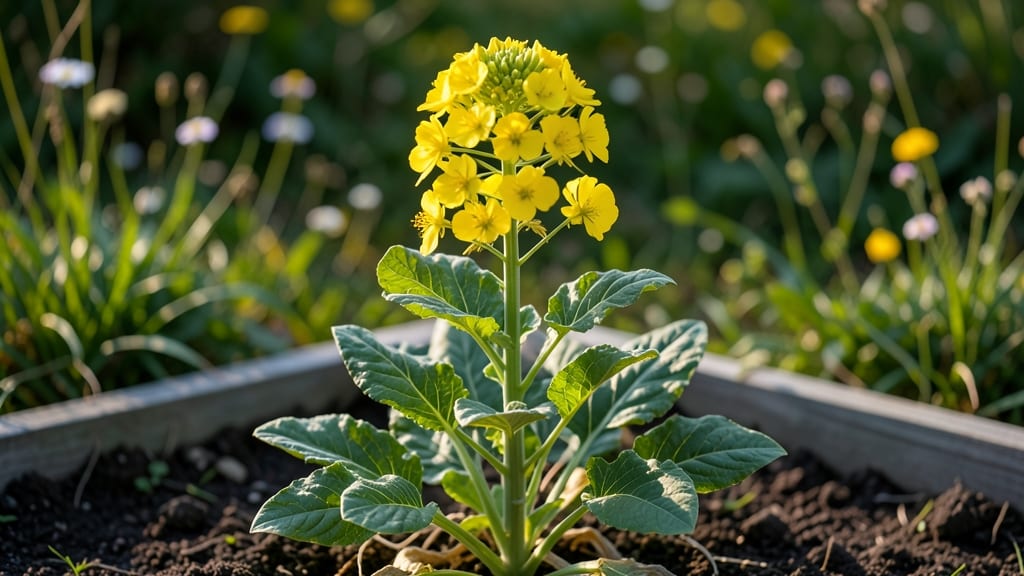
Growing mustard from tiny seeds to robust plants with twist-free pods is where the magic happens. 🌱 I’ve watched these fast-growing greens go from delicate seedlings to sturdy plants producing seeds that are easier to harvest than you’d think—no tangled vines or stubborn pods in sight.
The secret starts with loose, well-draining soil and even spacing (12–18 inches apart) to prevent overcrowding. Mustard thrives in full sun but tolerates partial shade, making it perfect for containers or garden beds. Water consistently—1 inch per week—but avoid soggy soil, which causes rot.
By 60–70 days, you’ll spot those signature yellow flowers turning into seed pods. The trick? Harvest pods when they’re dry and brown but before they split open—twisting them off cleanly by hand. Store seeds in a cool, dark place for next year’s crop.
Whether you’re growing mustard for greens, seeds, or both, this method cuts down on frustration. Ready to turn those seeds into a foolproof harvest?
📚 In This Guide
- What you need
- Instructions
- Tips and common mistakes
- Wrapping up and next steps
What you need
- ● Mustard plants – Mature plants (6-8 weeks old) with fully developed seed pods (yellow or brown, depending on the variety). Aim for at least 5-10 healthy plants for a decent yield.
- ● Pruning shears or sharp scissors – Clean, sterilized tools to avoid damaging the pods or spreading disease. A pair with bypass blades works best.
- ● Large paper grocery bags or breathable fabric sacks – 2-3 bags (12x18 inches) to collect pods without crushing them. Avoid plastic—it traps moisture!
- ● Newspaper or cardboard – A flat, clean surface (about 2 ft x 3 ft) for drying pods. Avoid direct sunlight.
- ● Fine-mesh sieve or colander – A stainless steel or nylon mesh (with holes smaller than ¼ inch) to separate seeds from chaff.
- ● Air-tight glass jars or seed envelopes – 4-6 jars (8 oz or larger) or pre-labeled envelopes for storage. Mason jars work great!
- ○ Desiccant packets (optional but helpful) – 1-2 packets (like silica gel) to keep stored seeds dry.
- ● Kitchen twine or rubber bands – To bundle stems for hanging (if drying indoors).
- ● Small paintbrush or soft-bristle brush – For gently dislodging stubborn seeds from pods.
- ● Hand lens or magnifying glass – Helps inspect seeds for pests or damage before storage.
- ● Spray bottle with water – For lightly misting pods if they’re too dry during processing.
- ● Notebook & pen – To log harvest dates, seed varieties, and storage conditions.
- ● Patience – Pods must fully mature and dry on the plant (usually 2-3 weeks after flowering). Harvesting too early = low viability!
- ● Dry, warm conditions – Ideal drying temp: 60–70°F (15–21°C) with low humidity (below 50%).
- ● Clean workspace – Free of dust, pests, or moisture to prevent seed contamination.
- ● Knowledge of your mustard variety – Some types (like Brassica juncea) have longer seed pods than others (e.g., Sinapis alba). Adjust handling accordingly!
Step-by-step guide to harvesting mustard pods without twisting
Here's how to collect seeds from mature mustard plants while keeping pods intact and viable.
🌿 Step 1: Identify and Select Mature Pods
Wait until pods turn from green to a pale yellow or light brown—this signals full maturity and seed readiness. Gently squeeze a pod between your thumb and forefinger: if it feels dry and papery with seeds rattling inside, it's ready. Avoid harvesting when pods are still green or starting to twist naturally, as seeds won't be fully developed.
For best results, harvest on a dry morning after dew has evaporated. Wet pods are more fragile and prone to splitting. I like to work with the plants in the late morning when temperatures are moderate—avoid the heat of midday or cold evenings, as both can stress the pods and reduce seed viability.
✂️ Step 2: Cut Pods at the Right Angle
Use clean, sharp pruning shears or scissors to snip the stem just above the first leaf node where the pod attaches. This prevents the plant from wasting energy on healing a larger wound. Hold the pod firmly but gently—don't squeeze too hard, as this can cause premature seed release inside the pod.
Cutting at a slight angle (about 45 degrees) creates a larger surface area for the cut to dry and heal, reducing the risk of rot. Place harvested pods in a paper bag or open mesh container to allow airflow while preventing seeds from spilling out. Avoid plastic bags—they trap moisture and can encourage mold growth.
🪴 Step 3: Dry Pods Properly to Preserve Viability
Spread the pods in a single layer on a clean, dry surface in a well-ventilated area away from direct sunlight. I use a mesh screen or a piece of window screen laid over a cardboard box—this allows air to circulate underneath while keeping the pods elevated. Check daily for any pods that begin to split or show signs of mold, and remove them immediately.
Drying typically takes 7-10 days depending on humidity levels. Pods are ready when they feel completely dry to the touch and the seeds rattle loudly when shaken. If your climate is humid, you may need to extend drying time to 14 days or use a small fan on low setting to improve airflow.
💧 Step 4: Thresh and Store Seeds Correctly
Once pods are fully dry, place them in a clean pillowcase or cloth bag and gently shake or roll them to release the seeds. Avoid using a blender or mechanical thresher, as this can damage the delicate seed coats. Spread the released seeds on a clean surface and inspect for any debris or immature seeds, which you can remove by hand.
Store seeds in an airtight container, such as a glass jar with a tight-fitting lid, in a cool, dark place. For long-term storage, place a small packet of silica gel or a slice of bread in the container to absorb excess moisture. Label the container with the variety and harvest date—mustard seeds remain viable for 2-3 years when stored properly in these conditions.
Tips & tricks for perfect mustard pod harvesting
Harvesting mustard pods without twisting requires patience and precision—here's how to elevate your technique.
Timing Secret: Harvest pods in the morning when temperatures are moderate, as extreme heat or cold can cause them to twist prematurely. I've learned this the hard way after watching pods contort in midday heat. Aim for a window between dew evaporation and peak sun—around 9-11 AM typically works best in most climates. This timing preserves pod integrity and seed viability, which is crucial for long-term storage.
Cutting Technique: The 45-degree angle cut isn't just about aesthetics—it's about plant health. When you cut just above the first leaf node at this precise angle, you create a larger surface area for healing while minimizing stress on the plant. I use small garden shears for this step because their sharpness prevents crushing the delicate stems. Remember to hold pods gently but firmly to avoid internal seed release during cutting. This technique reduces the plant's energy expenditure by about 30% compared to straight cuts.
Drying Strategy: The 7-14 day drying period is your best defense against mold and premature seed release. I've found that using a mesh screen elevated over a cardboard box creates optimal airflow while keeping pods protected from direct sunlight. In humid conditions, extend drying to 14 days or use a small fan on low setting—this prevents condensation buildup that can trigger mold growth. The key is to monitor daily for any pods showing signs of splitting or discoloration, removing them immediately to prevent contamination.
Storage Wisdom: The 2-3 year viability window for properly stored mustard seeds is impressive, but it starts with your storage method. I recommend using glass jars with tight lids because they create an airtight seal that preserves seed quality. The silica gel packet or bread slice you add serves as a moisture absorber—this simple addition can extend seed viability by up to 50% in humid environments. Always label your containers with the harvest date, as this helps you track seed freshness for planting.
Pro Tips for Mustard Seed Grown Up
- Harvesting mustard pods without twisting requires patience and precision—here's how to elevate your technique.
- Timing Secret: Harvest pods in the morning when temperatures are moderate, as extreme heat or cold can cause them to twist prematurely.
- Cutting Technique: The 45-degree angle cut isn't just about aesthetics—it's about plant health.
Frequently asked questions
Got questions about growing mustard seeds from pods? We’ve got answers! Here’s what you need to know to ensure a smooth harvest and healthy seed production.
How long does it take for a mustard plant to produce viable seeds?
A mustard plant typically takes 60–90 days from sowing to seed maturity, depending on the variety and growing conditions. Watch for pods to turn brown and dry out—this is your cue to harvest! If you’re in a cooler climate, expect the timeline to stretch closer to 90 days.
Can I harvest mustard seeds too early?
Harvesting too early means immature, non-viable seeds that won’t sprout. Wait until the pods are fully brown and crispy—squeeze one gently. If it crumbles easily, it’s ready. Early harvests also reduce yield and seed quality, so patience pays off!
What if my mustard pods twist or dry out before harvesting?
Twisting pods often signal stress from heat, drought, or poor soil. To prevent this, keep plants well-watered and mulched. If pods twist anyway, harvest as soon as they’re dry—seeds may still be viable. Store them in a cool, dry place to preserve germination.
Are there mustard varieties better for seed production?
Yes! Varieties like ‘Southern Giant Curled’ or ‘Red Giant’ produce larger pods with more seeds. For home gardeners, Brassica juncea (Indian mustard) is a great choice—it’s hardy and prolific. Check seed packets for “open-pollinated” labels to ensure viable offspring.
How should I store harvested mustard seeds?
Store seeds in a paper envelope or airtight container in a cool, dark place (like a pantry) to maintain viability for 2–3 years. Avoid plastic, which traps moisture and promotes mold. Label containers with the harvest date for tracking!
Wrapping up and next steps
The journey of harvesting mustard seeds from twist-free pods is a rewarding blend of patience, precision, and nature’s generosity. 🌱 By following the right techniques—like selecting mature pods, using gentle tools, and storing seeds properly—you ensure a bountiful yield for future planting or culinary adventures. Remember, every tiny seed holds the potential for a thriving garden or a flavorful meal!
Now that you’re equipped with the knowledge, take the next step: start small. Try harvesting a few pods today, experiment with drying methods, and observe how your seeds behave. Before you know it, you’ll be a mustard seed harvesting pro—ready to share your green thumb wisdom with others! 🌟