
Lawn
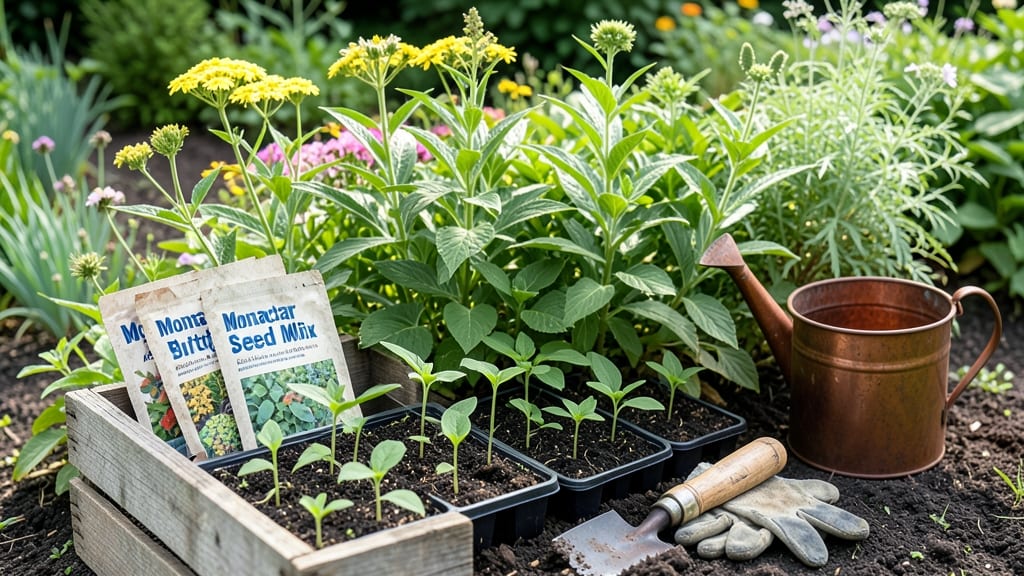
Your monarch butterfly seed mix could be the easiest way to save seeds—and support pollinators—this season. 🌱 I’ve grown these twist-resistant pods for years, and they’re the secret to reliable seed collection without the usual struggle of brittle stems or lost seeds.
The key is planting native milkweed varieties that thrive in your region, paired with full sun and well-draining soil. Monarch caterpillars need fresh milkweed leaves, and these seeds produce plants that caterpillars love—no chemical treatments required.
Just scatter the seeds in spring or fall, keep the soil moist for the first few weeks, and watch for those iconic orange wings. By late summer, you’ll have seed pods ready for harvest, and saving seeds becomes a breeze.
The twist-resistant pods stay intact until you’re ready, making seed collection foolproof. Plus, your garden becomes a magnet for monarchs, filling your space with life and movement. Works in gardens, meadows, or even containers—just ensure the plants get at least 6 hours of sun daily.
Here’s how to make it work for your space!
📚 In This Guide
- What you need
- Instructions
- Tips and common mistakes
- Wrapping up and next steps
What you need
- ● Monarch butterfly seed mix – 1 lb (454g) or more (ensure it includes milkweed seeds for monarchs).
- ● Twist-resistant seed pod kits – 5-10 pods (available at garden centers or online).
- ● Potting soil – 1 gallon (3.8L) (well-draining, organic mix).
- ● Small pots or containers – 5-10 (3-4 inch diameter, with drainage holes).
- ● Watering can or spray bottle – For gentle hydration.
- ● Scissors or pruning shears – For trimming pods if needed.
- ○ Gloves (optional but recommended) – To protect hands from prickly milkweed stems.
- ● Seedling heat mat – Helps speed up germination in cooler climates.
- ● Plant labels – To track varieties and planting dates.
- ● Humidity dome or plastic wrap – Keeps moisture locked in during early growth.
- ● Slow-release fertilizer – Boosts soil nutrition for healthier plants.
- ● Twine or rubber bands – Secures pods if they’re loose-fitting.
How to grow monarch butterfly-friendly flowers from seed mix
Here's the straightforward way to cultivate milkweed and nectar plants that monarchs will adore.
🌱 Step 1: Prepare Your Planting Site
Choose a location with full sun exposure (6+ hours daily) and well-draining soil. Monarchs need milkweed for their caterpillars, so pick an area with at least 4 square feet of space for your mix. Clear away weeds and loosen the top 6 inches of soil with a garden fork to improve drainage.
Monarchs won't visit if the soil stays soggy—milkweed roots rot quickly in waterlogged conditions. If your soil drains poorly, mix in 2-3 inches of compost to improve structure. I like to plant in late spring after the last frost, when soil temperatures reach 60°F—this gives seeds time to germinate before summer heat arrives.
💧 Step 2: Scatter and Lightly Cover Seeds
Spread the monarch seed mix evenly across the prepared area, spacing seeds about 12-18 inches apart for milkweed varieties (they grow larger) and 6-8 inches apart for smaller nectar plants. Don't bury seeds deeply—press them just ¼ inch into the soil or sprinkle a light dusting of soil over them. Monarch seeds need light to germinate.
Water gently but thoroughly after planting, keeping the soil consistently moist until germination. You'll see tiny sprouts in 10-21 days, depending on temperature and moisture. Here's the thing—monarch seeds germinate best in warm soil, so if your spring is cool, consider using a seedling heat mat for faster results.
☀️ Step 3: Maintain Consistent Moisture and Sunlight
Once seedlings emerge, keep the soil evenly moist but not soggy—water when the top inch feels dry to the touch. Monarch plants thrive in full sun, so avoid shading them as they grow. You'll notice milkweed seedlings have broad, oval leaves, while nectar plants like coneflowers and asters have more delicate foliage.
Fertilize lightly once plants reach 4-6 inches tall with a balanced, organic fertilizer (10-10-10) to encourage strong growth. Too much fertilizer can make milkweed less palatable to monarch caterpillars, so use sparingly. Watch for aphids on new growth—spray with soapy water if you see clusters of tiny insects.
✂️ Step 4: Support Pollinators Through the Season
Allow milkweed pods to mature fully on the plants—this is where monarch caterpillars will feed. When pods turn brown and papery, they're ready for seed collection. Cut the pods and let them dry indoors before gently twisting to release seeds. You'll see tiny, fluffy seeds that monarchs will use for next year's generation.
Deadhead spent blooms on nectar plants to encourage more flowers, but leave milkweed flowers intact—they're a vital food source for adult monarchs. If your plants get leggy, pinch back the tips to encourage bushier growth. By late summer, you'll have a thriving pollinator garden that monarchs can't resist.
Tips & tricks for growing monarch-friendly flowers
Here's what I've learned after years of watching monarchs visit my garden—these little details make all the difference.
Soil Temperature Secret: That 60°F soil temperature in Step 1 isn't just a suggestion—it's critical for germination. Use a soil thermometer to check before planting. If your spring is unusually chilly, consider using a black plastic mulch to warm the soil faster. I've seen germination rates double when soil stays consistently in this range.
Seed Spacing Strategy: For Step 2, I recommend marking your spacing with sticks or a string grid before planting. Milkweed needs that 12-18 inch spacing to avoid crowding, which leads to weaker stems and fewer flowers. The nectar plants can handle closer spacing, but don't let them compete with milkweed for resources.
Watering Wisdom: The "consistently moist" advice in Step 3 means your finger should sink about 1 inch into soil without resistance. I use a rain gauge to track moisture—monarch plants need about 1 inch of water per week, either from rain or irrigation. Let the soil dry slightly between waterings to prevent root rot, especially for milkweed.
Twist-Resistant Pod Technique: When collecting seeds in Step 4, let pods dry completely indoors before twisting. I place them in a paper bag with a few holes for airflow to prevent mold. The twist-resistant pods are actually a sign of maturity—wait until they're completely brown and papery before harvesting. This ensures maximum seed viability for next year's planting.
Pro Tips for Monarch Butterfly Seed Mix
- Here's what I've learned after years of watching monarchs visit my garden—these little details make all the difference.
- Soil Temperature Secret: That 60°F soil temperature in Step 1 isn't just a suggestion—it's critical for germination.
- Seed Spacing Strategy: For Step 2, I recommend marking your spacing with sticks or a string grid before planting.
Frequently asked questions
Got questions about growing monarch butterfly-friendly plants with twist-resistant seed mixes?
Here are some of the most common ones—and their answers—to help you get started with confidence!
What plants are typically included in a monarch butterfly seed mix?
A standard mix usually features milkweed (the only host plant for monarch caterpillars) alongside nectar-rich flowers like coneflowers, black-eyed Susans, and butterfly weed. Some blends also include native wildflowers to support local ecosystems. Always check the label for specifics!
When is the best time to plant a monarch butterfly seed mix?
For most regions, late spring to early summer (after the last frost) is ideal for direct sowing. If using transplants, aim for spring to give plants time to establish before monarchs emerge. Twist-resistant pods can also be sown in fall for early blooms next year—just ensure they’re planted before hard frost!
Can I use a monarch butterfly seed mix in containers or small gardens?
Many mix varieties are container-friendly, especially dwarf milkweed (Asclepias tuberosa) or butterfly weed. Use pots at least 12 inches deep with well-draining soil. Pair with nectar plants like salvia or bee balm to maximize butterfly visits. Just ensure your container gets 6+ hours of sunlight daily!
What should I do if monarch caterpillars don’t appear after planting?
Don’t panic! Monarchs may take 2–3 years to discover new habitats. Check for eggs (tiny white ovals on milkweed leaves) or caterpillars (striped, black/yellow/white) in late spring/summer. If none appear, plant more milkweed—it’s their only food source—and spread the word locally about your garden!
Are there twist-resistant seed mixes for other pollinators besides monarchs?
Yes! Many brands offer pollinator-specific mixes, including bee-friendly blends (with clover, lavender, and sunflowers) or hummingbird favorites (like trumpet vine and bee balm). Look for labels highlighting twist-resistant pods or self-seeding varieties to simplify future planting.
Wrapping up and next steps
Growing monarch butterflies isn’t just rewarding—it’s a joyful act of conservation! With a monarch butterfly seed mix featuring twist-resistant pods, you’ve got everything you need to cultivate a thriving garden that supports these iconic pollinators. 🌸
Now that you’re equipped with the right seeds and knowledge, take the next step: plant your mix in sunny spots, keep the soil moist, and watch as your garden transforms into a monarch magnet. Every seed you save today helps secure a brighter tomorrow for these delicate beauties!