
Lawn
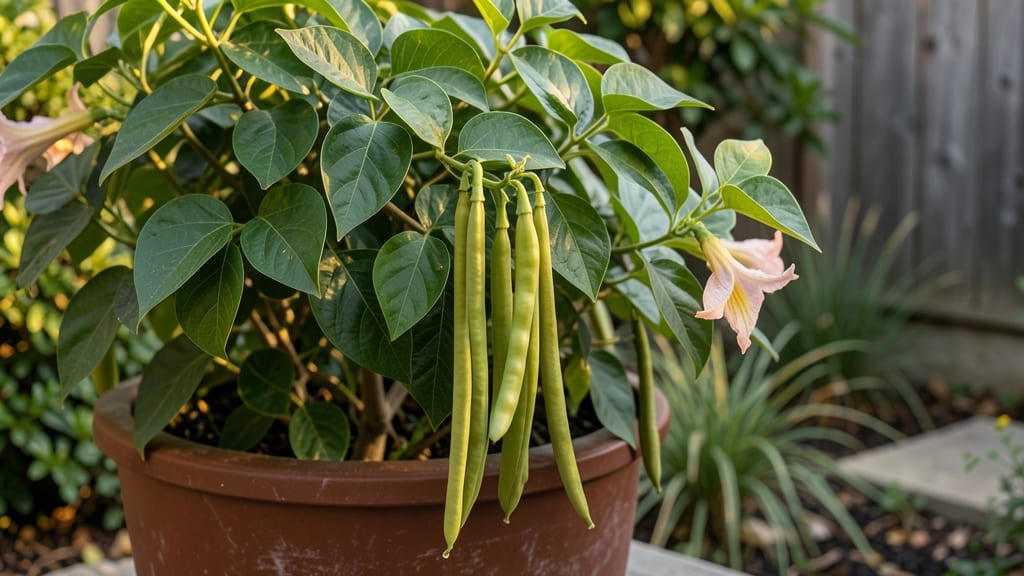
Harvesting mandevilla seed pods turns a single plant into a whole new garden. 🌱 The key is timing—wait until the pods turn brown and begin splitting open, then collect them before they release seeds everywhere.
My first attempt left seeds scattered across the patio, but now I use a paper bag to catch them cleanly. You’ll need just a few supplies: sharp scissors, small paper bags, and a sunny spot for drying.
Once the pods are fully open, gently shake out the seeds and store them in an envelope until planting season. These seeds stay viable for up to two years if kept dry and cool. Germination takes patience—plant them in a warm, humid environment with bright, indirect light.
Most seeds sprout within 2-4 weeks, though some may take longer. Thin seedlings to the strongest ones, and you’ll soon have sturdy young plants ready for transplanting. This method works year-round in warm climates, or you can start seeds indoors 6-8 weeks before your last frost. The payoff?
A lush, vine-filled garden that grows from just a handful of seeds—without the cost of cuttings.
📚 In This Guide
- What you need
- Instructions
- Tips and common mistakes
- Wrapping up and next steps
What you need
- ● Mature Mandevilla plants – Ensure they’re healthy and have fully developed seed pods (typically green turning brown).
- ● Pruning shears or sharp scissors – For cleanly snipping pods without damaging the plant.
- ● Paper bags or breathable mesh bags – 1-2 bags per harvest (10-15 pods per bag). Pro tip: Avoid plastic to prevent moisture buildup! 🌡️
- ● Labeling tags & permanent marker – To mark pods by variety and harvest date.
- ● Drying tray or screen – A flat, elevated surface (like a cooling rack) for airflow.
- ● Paper towels or newspaper – For absorbing excess moisture during drying.
- ○ Small storage containers (airtight) – Glass jars or resealable bags with silica gel packets (optional but recommended for long-term storage).
- ● Gloves – Protect your hands from sap or prickly pods.
- ● Desiccant packets – For extra moisture control in storage.
- ● Humidity monitor – Ideal storage range: 30-40% humidity.
- ● Plant journal/notebook – Track pod maturity, harvest dates, and germination success.
How to harvest and store Mandevilla seed pods for long-term success
Here's the simple method I've used to save Mandevilla seeds year after year without losing viability.
🌿 Step 1: Identify and Locate Mature Seed Pods
Mandevilla seed pods develop after flowers fade and are ready when they turn from green to a dry, papery brown. Look for pods that feel slightly leathery to the touch and have split open along one side—this means they're ready for harvest. I check my plants weekly after flowering begins, as pods ripen unevenly.
Gently twist the pod between your fingers to release it from the stem. If it resists, wait another 2-3 days—harvesting too early means immature seeds that won't germinate. Avoid dropping pods on the ground, as they can split open and scatter seeds before you're ready to collect them.
🪴 Step 2: Collect and Dry the Seed Pods
Place the harvested pods in a single layer on a clean, dry paper towel or mesh screen. Let them dry in a warm, shaded spot for 3-5 days—this prevents mold and ensures seeds fully mature. I use a small cardboard box with holes punched in the sides for airflow, keeping it out of direct sunlight to avoid overheating.
You'll know they're properly dried when the pods crumble easily between your fingers and the seeds inside look dark brown and plump. If any pods still feel damp or sticky, give them another day or two. Never rush this step—moisture is the enemy of seed viability.
✂️ Step 3: Extract and Store the Seeds
Once pods are completely dry, gently crush them with your fingers or a small rolling pin to release the seeds. I place the pods in a clean, dry jar and roll it gently under my palm to avoid breaking the seeds. Remove any debris or empty seed casings by hand—clean seeds store better and germinate more reliably.
Store the extracted seeds in an airtight container with a silica gel packet to absorb moisture. I label each container with the date and Mandevilla variety (if known) using a permanent marker. Keep them in a cool, dark place like a pantry or seed vault—60-65°F is ideal. With proper storage, Mandevilla seeds remain viable for 2-3 years.
💧 Step 4: Prep Seeds for Germination (When Ready to Plant)
Before sowing, soak the seeds in lukewarm water for 12-24 hours to soften the outer coating and speed up germination. I use a small glass jar with a loose lid to allow airflow. After soaking, plant the seeds ¼ inch deep in a well-draining seed-starting mix—Mandevilla roots need air circulation to thrive.
Keep the soil consistently moist (not soggy) and maintain 70-75°F soil temperatures for best results. Germination takes 2-4 weeks, so patience is key. Once seedlings appear, provide bright, indirect light and avoid cold drafts—they're tropical plants at heart.
Tips & tricks for perfect Mandevilla seed pod harvesting
Between us, these little details make all the difference when saving Mandevilla seeds that'll actually grow.
Pod Maturity Check: Here's what nobody tells you—mature pods should make a faint pop when you gently squeeze them. If they feel hard and unyielding, they're not ready. I've learned the hard way that harvesting too early means seeds that won't break dormancy. Wait until they're dry enough to crumble between your fingers but still intact enough to hold their shape.
Drying Strategy: The 3-5 day drying window is your best friend, but humidity can wreck it. If your air feels sticky, extend drying to 7 days—better to wait than risk mold. I keep a small fan blowing gently over my drying pods to maintain airflow without disturbing them. This prevents those frustrating sticky pods that never dry properly.
Storage Wisdom: That silica gel packet isn't just decoration—it's your moisture shield. I've had seeds last 3 years with perfect viability because of it. Store containers in the back of your pantry where temps stay steady at 60-65°F. Pro move: Add a second packet if you're storing seeds in a particularly humid climate.
Germination Hack: For faster sprouting, try a double soak: First soak seeds in lukewarm water for 12 hours, then transfer to a damp paper towel in a sealed bag for another 12 hours. This mimics natural rain cycles and can cut germination time by nearly half. Just remember to keep that soil warm at 70-75°F—cold soil is the #1 reason Mandevilla seeds fail to sprout.
Pro Tips for Mandevilla Seed Pods
- Between us, these little details make all the difference when saving Mandevilla seeds that'll actually grow.
- Pod Maturity Check: Here's what nobody tells you—mature pods should make a faint pop when you gently squeeze them.
- Drying Strategy: The 3-5 day drying window is your best friend, but humidity can wreck it.
Frequently asked questions
When do mandevilla seed pods typically ripen?
Mandevilla seed pods usually ripen 8–12 weeks after flowering, turning from green to brown or tan when ready. Check pods weekly in late summer/fall—gentle pressure should reveal dry, papery texture. Pro tip: Harvest before pods split open to avoid seed loss!
Can I save seeds from store-bought mandevilla plants?
Yes! Store-bought plants may produce seed pods, but hybrid varieties (like ‘Alice du Pont’) often yield sterile seeds. For reliable germination, opt for open-pollinated or heirloom types or buy seeds from specialty nurseries.
How long do mandevilla seeds stay viable?
Freshly harvested seeds germinate best within 1–2 weeks when refrigerated (35–40°F). Dried seeds stored in a cool, dark place (paper envelope + airtight container) can last 2–3 years, though viability drops over time. Test a few annually!
What’s the best way to germinate mandevilla seeds?
Soak seeds in lukewarm water for 24 hours, then plant ¼-inch deep in moist seed-starting mix. Use a heat mat (75–85°F) for faster sprouting (2–4 weeks). Transplant seedlings outdoors only after last frost—they’re frost-sensitive!
Why aren’t my seed pods forming?
Common causes:
- Lack of pollinators: Hand-pollinate with a brush if bees are scarce.
- Improper care: Ensure 6+ hours of sunlight and well-draining soil.
- Over-fertilizing: Reduce nitrogen; prioritize phosphorus/potassium for blooms.
Wrapping up and next steps
Harvesting mandevilla seed pods doesn’t have to be a daunting task—with the right tools and timing, you can easily collect viable seeds for year-round planting. Whether you're a seasoned gardener or just starting out, these pods offer a simple way to propagate your favorite varieties without breaking the bank. 🌱
Now that you’re armed with the knowledge, why not take the next step? Try harvesting a few pods from your garden this season and experiment with growing new plants. You might just discover a thriving, low-maintenance addition to your landscape!