
Lawn
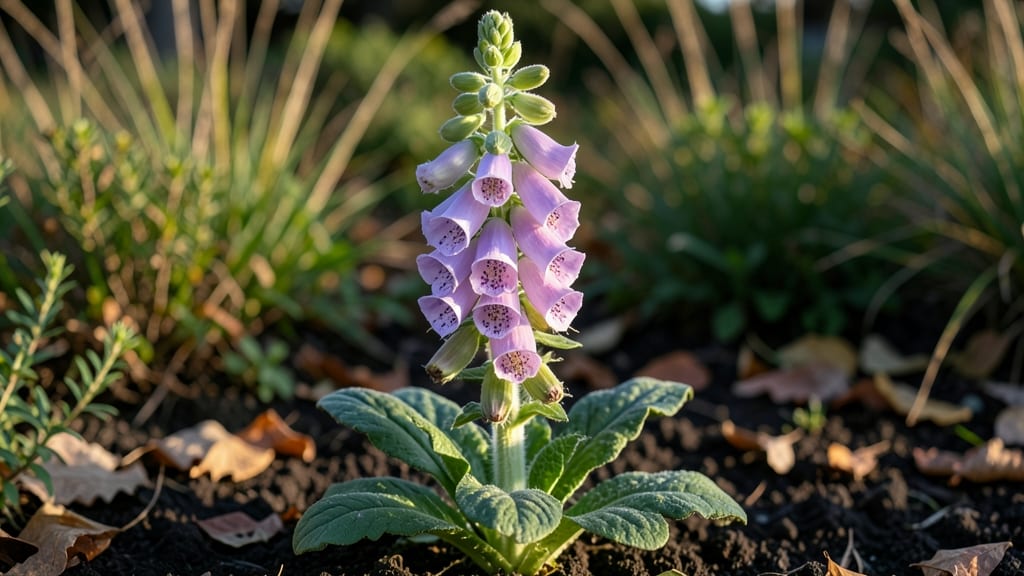
Harvesting foxglove seed pods turns a summer garden chore into a winter project that pays off with next year's towering spires. 🌿 The key is timing—wait until the pods turn brown and split open naturally, usually in late summer or early fall, before they scatter seeds everywhere.
You'll need a pair of gloves (foxglove is toxic—never handle without protection), a paper bag for collecting, and a dry, well-ventilated spot to cure the seeds.
The process is simple: twist open the pods, shake out the seeds, and let them dry for 2-3 weeks before storing in an airtight container. Once dried, these seeds can last 3-5 years if kept cool and dry, giving you a reliable source for future plantings.
The trade-off? Germination takes patience—6-12 months in the fridge to break dormancy, then another 2-3 weeks in warm soil to sprout. For best results, sow seeds outdoors in fall or early spring, barely covering them with soil.
They thrive in partial shade and moist, well-drained soil—just like their parent plants. Here's how to make it work without the guesswork.
📚 In This Guide
- What you need
- Instructions
- Tips and common mistakes
- Wrapping up and next steps
What you need
- ● Mature foxglove plants (preferably Digitalis purpurea or similar species) with fully ripened seed pods (brown, dry, and slightly papery). Aim for at least 5-10 healthy plants for a good yield.
- ● Pruning shears or sharp gardening scissors – sterilized to prevent disease spread. Look for bypass-style blades for clean cuts.
- ● Brown paper bags or breathable seed-saving envelopes – 5-10 bags, sized to fit 3-5 seed pods each. Avoid plastic to prevent moisture buildup.
- ● Labeling tags or masking tape + permanent marker – To note the variety, harvest date, and location (e.g., "Digitalis ‘Pam’s Choice’ – 2024 – Shade Garden").
- ○ Gloves (optional but recommended) – Nitrile or cotton to protect against mild skin irritation from foxglove sap.
- ● Small paintbrush or soft-bristle brush – For gently dislodging seeds from pods (if hand-harvesting).
- ● Air-tight glass jars or resealable plastic containers – 1-2 jars with fine mesh lids (to allow airflow while keeping pests out). Quart-sized jars work well.
- ○ Silica gel packets (optional) – 1-2 packets to absorb excess moisture if storing in humid climates.
- ● Desiccant (like rice or uncooked dried beans) – A ½ cup placed in the jar to naturally wick away moisture.
- ● Cool, dark storage space – A pantry, basement, or seed fridge (40–50°F / 4–10°C is ideal). Avoid refrigerators with high humidity.
- ● Safety first! Foxglove contains digitalis, a compound toxic to humans and pets. Wear gloves and avoid touching your face or food while handling.
- ● Harvest timing – Wait until pods are fully brown and dry (typically late summer to early fall). Squeeze gently—seeds should rattle inside.
- ● Legal check – Confirm foxglove isn’t prohibited in your area (some regions restrict its cultivation due to toxicity).
Step-by-Step guide to harvesting foxglove seed pods
Here's how I collect and store foxglove seeds without losing viability or dealing with messy spills.
🌿 Step 1: Identify and Select Mature Seed Pods
Foxglove seed pods ripen in late summer to early fall, turning from green to tan or light brown when ready. Look for pods that feel dry and papery to the touch—if they crumble slightly when gently squeezed, they're perfect for harvesting. Avoid pods with holes or signs of insect damage, as those seeds won't germinate well.
I like to harvest on a dry, sunny morning when the dew has evaporated. This prevents moisture from making the pods stick to your hands or tools. Use clean, sharp scissors or pruners to snip the stems just above the first set of leaves. This keeps the plant healthy for future blooms.
✂️ Step 2: Collect and Dry the Pods Properly
Place the harvested pods in a single layer on a paper towel-lined tray or a mesh screen. Keep them in a dry, well-ventilated spot away from direct sunlight—too much heat will cause the pods to crack prematurely. A cool, shaded porch or a basement with good airflow works perfectly.
Check the pods every few days. They're ready to open when they split naturally along the seams. If they don't split after 7-10 days, give them a little more time—they won't over-dry if left in these conditions. Never rush drying by using heat; foxglove seeds are sensitive to temperature spikes.
🌱 Step 3: Extract and Store Seeds for Viability
Once the pods are fully dry and split open, gently tap them over a clean piece of paper to release the tiny, winged seeds. You'll see them flutter down like tiny parachutes—this is normal and helps with natural dispersal. Use a soft brush to coax out any seeds stuck inside the pods.
Store the seeds in a paper envelope (not plastic—it traps moisture) labeled with the foxglove variety and the harvest date. Keep the envelope in a cool, dark place like a seed drawer or the back of a pantry. Foxglove seeds can stay viable for 2-3 years if stored properly, but they germinate best when sown fresh.
💧 Step 4: Prepare Seeds for Planting (Optional)
Foxglove seeds benefit from a cold stratification period to mimic winter conditions. Place the seeds in a sealed plastic bag with a damp paper towel, then refrigerate for 4-6 weeks. This step breaks dormancy and improves germination rates significantly.
After stratification, sow the seeds in a light, well-draining mix at a depth of ¼ inch. Keep the soil consistently moist but not soggy—foxglove seedlings are delicate. Place the tray in a bright, indirect light spot until germination, which can take 2-4 weeks. Patience is key here; don't disturb the soil until you see tiny green sprouts.
Tips & tricks for perfect foxglove seed pod harvesting
Here's what nobody tells you about keeping those delicate foxglove seeds viable and easy to handle.
Selection Strategy: In Step 1, when you're checking for mature pods, focus on the ones that have turned completely tan and feel crispy when squeezed. This is your best indicator of readiness—green pods won't release seeds properly, and overripe ones can crumble into dust. I've learned this the hard way after trying to harvest premature pods that just fell apart in my hands.
Drying Environment: For Step 2, the drying conditions are everything. While the instructions mention a cool, shaded spot, I recommend placing your drying tray near an open window with a gentle breeze—this creates natural airflow without direct sunlight. If you're in a humid climate, consider using a small fan on low setting to speed up drying while preventing mold. The 7-10 day window is flexible, but pods should never feel brittle or crack open prematurely.
Seed Extraction: When tapping pods in Step 3, use a clean white paper plate rather than newspaper—the seeds are so tiny they can get lost in dark ink patterns. I've found that gently rolling the pods between your palms before tapping releases even more seeds. For stubborn seeds, a soft makeup brush works wonders without damaging the delicate wings. This is where most seeds get lost if you're not careful!
Storage Wisdom: The paper envelope storage in Step 3 is crucial, but here's the secret: add a tiny silica gel packet (the kind that comes in shoe boxes) to your envelope. This helps absorb any residual moisture that could compromise viability. Label your envelope with both the variety and harvest date—foxglove seeds from different varieties may have different germination preferences.
Pro Tips for Foxglove Seed Pods
- Here's what nobody tells you about keeping those delicate foxglove seeds viable and easy to handle.
- Selection Strategy: In Step 1, when you're checking for mature pods, focus on the ones that have turned completely tan and feel crispy when squeezed.
- Drying Environment: For Step 2, the drying conditions are everything.
Frequently asked questions
Got questions about harvesting and storing foxglove seed pods? You’re not alone!
Here are some of the most common queries—plus straightforward answers to keep your seeds viable and your gardening game strong.
When is the best time to harvest foxglove seed pods?
Harvest seed pods when they turn tan or brown and begin splitting open naturally—usually late summer to early fall (August–October). Wait until they’re fully dry but before seeds scatter. Overripe pods may release seeds prematurely, reducing your yield.
How long do foxglove seeds stay viable for storage?
Foxglove seeds typically remain viable for 2–3 years if stored properly in a cool, dry place (like a sealed container in the fridge). For best results, label pods with the harvest date and check for moisture or mold annually.
Can I save seeds from foxglove plants grown from store-bought flowers?
Yes, but be cautious! Store-bought foxgloves may be hybridized for color or size, so seeds might not grow true to the parent plant. For consistent results, source seeds from open-pollinated varieties or heirloom plants in your garden.
What do I do if my seed pods mold or get wet during storage?
If moisture sneaks in, act fast! Remove seeds from pods and spread them on a paper towel to dry in a warm, well-ventilated area (like a sunny windowsill). Discard any moldy pods or seeds—foxglove seeds are sensitive to fungal growth.
Are there alternatives to harvesting seed pods myself?
If you’re short on time, consider buying seeds from reputable suppliers (like Burpee or Baker Creek). Just note: Store-bought seeds may lack the localized adaptability of home-harvested ones!
Pro tip: Label everything! Use small tags or a Sharpie to mark pods with the variety and harvest date—foxglove seeds can look surprisingly uniform until they sprout!
Wrapping up and next steps
Foxglove seed pods offer a simple yet rewarding way to extend your garden’s beauty year-round—no stress, just stunning results! 🌿 With the right tools and timing, harvesting and storing these pods ensures vibrant blooms for seasons to come.
Whether you’re a seasoned gardener or just starting out, your efforts will pay off in a burst of color and life.
Ready to dive in? Grab your gloves, pick a sunny day, and start harvesting—your future foxglove garden is waiting! 🌸