
Lawn
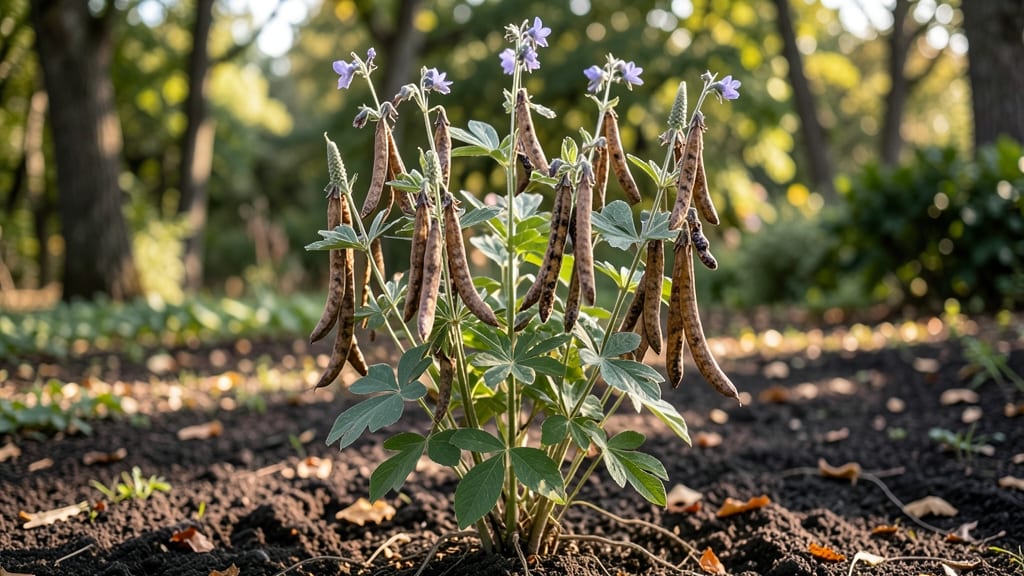
Harvesting lupine seed pods is like collecting nature’s own treasure chest—each one packed with seeds for next year’s garden or wildflower meadow. 🌿 I’ve learned the hard way that timing is everything: too early and the seeds won’t be viable, too late and they’ll scatter before you can collect them.
The key is watching for those signature twisted pods turning from green to brown, a sure sign they’re ready to be harvested.
You’ll need just a few simple tools: sharp pruners, a paper bag for collecting, and a sunny day to work. Lupines thrive in full sun and well-drained soil, so if your plants are happy, the pods will be too.
Once mature, the pods open on their own, releasing seeds—so act fast if you want to save them for planting. This is where the magic happens: storing these seeds properly means you can grow lupines year after year without buying new ones.
The payoff is worth the effort: lupine seeds are a boon for pollinators, and the plants themselves add striking vertical interest to any garden. Plus, once you’ve mastered the harvest, you’ll have seeds to share with friends or even sell at local plant swaps.
The best part? These seeds stay viable for years if stored in a cool, dry place—so you’re not just saving seeds, you’re saving time and money for seasons to come.
Whether you’re growing lupines for their beauty, their ecological benefits, or just the joy of seed-saving, this process is simpler than it seems. Start with a few plants, practice your timing, and soon you’ll be harvesting pods like a pro. The garden—and the pollinators—will thank you for it.
📚 In This Guide
- What you need
- Instructions
- Tips and common mistakes
- Wrapping up and next steps
What you need
- ● Harvesting: Pruning shears or sharp garden scissors (for clean cuts)
- ● Thick gardening gloves (to protect from thorns and rough pods)
- ● A large basket or bucket (with drainage holes, if possible)
- ● Newspaper or cardboard (for lining the basket to prevent damage)
- ● Processing: Kitchen scissors or a small knife (for opening pods)
- ● A clean, dry work surface (like a cutting board or tray)
- ● Paper towels or a clean cloth (for drying seeds)
- ● Storage: Brown paper bags or breathable fabric sacks (for air circulation)
- ● Air-tight containers (like glass jars or plastic bins with lids) OR vacuum-seal bags (for long-term storage)
- ○ Silica gel packets or rice (optional, for moisture absorption)
- ● A magnifying glass (for inspecting seed quality)
- ● Food-safe spray (like diluted vinegar) to disinfect surfaces
- ● A humidity pack or hygrometer (to monitor storage conditions)
- ● Labels and a marker (to track harvest dates and varieties)
Step-by-step guide to harvesting lupine seed pods
Here’s how I collect and store lupine seeds without the mess or wasted effort.
🌿 Step 1: Identify and Select Mature Seed Pods
Look for pods that are dry, papery, and turning a light brown color. They’ll feel crisp when gently squeezed—this means the seeds inside are fully mature. Avoid green or still-flexible pods; those won’t yield viable seeds. I harvest on a dry, sunny morning when dew has evaporated, making the pods easier to handle.
Gently twist the pods at the stem—don’t pull or yank, or you’ll snap the stem and leave the pod behind. If a pod resists, it’s not ready yet. A mature pod should separate cleanly, revealing the hard, dark seeds inside. Collect pods in a paper bag or basket to avoid bruising them.
🌱 Step 2: Dry the Pods Thoroughly Before Opening
Spread the pods in a single layer on a clean, dry surface—like a baking sheet or mesh screen—where they can air-dry for 3-5 days. Place them in a warm, dry spot with good airflow, like a sunny windowsill or a well-ventilated room. You’ll know they’re fully dry when the pods rattle when shaken.
Don’t rush this step. If you open pods too soon, the seeds won’t be fully hardened and may spoil during storage. I like to check them daily by giving a pod a gentle shake—if seeds jingle inside, they’re ready. Once dry, store the pods in a breathable container, like a mesh bag or open cardboard box, to prevent moisture buildup.
✂️ Step 3: Extract and Clean the Seeds
Once the pods are completely dry, lay one on a flat surface and gently press or rub the sides to release the seeds. Lupine seeds are hard and dark, often with a slight sheen. Avoid crushing them—just let them fall out naturally. I use a small bowl to catch the seeds, making cleanup easier.
Remove any debris, chaff, or empty seed casings by hand or with a fine-mesh strainer. Discard any seeds that look shriveled, discolored, or damaged. Store the clean seeds in a glass jar or airtight container with a desiccant packet to keep them dry. Label the container with the harvest date—this helps track seed viability over time.
🪴 Step 4: Store Seeds for Long-Term Viability
Place the sealed container in a cool, dark place—like a pantry or refrigerator—where temperatures stay between 40-50°F. Lupine seeds can remain viable for 2-3 years if stored properly. Check the container monthly for signs of moisture or pests, like webbing or tiny holes, and address them immediately.
For extra protection, I place a small packet of silica gel or rice in the container to absorb any lingering moisture. Avoid plastic bags, as they trap humidity and encourage mold. If you notice seeds losing their dark color or developing a musty smell, discard them—they’ve lost viability.
Tips & tricks for perfect lupine seed collection
These simple strategies will help you harvest and store lupine seeds like a pro—without the usual frustrations.
Pod Selection: Don't settle for just any brown pods! Look for ones that feel completely dry and crisp when you gently squeeze them. If they still have any flexibility, they're not ready yet. I always check a few pods by twisting them—they should separate cleanly at the stem with no resistance. This tells me the seeds inside are fully mature and ready for harvest.
Drying Strategy: The 3-5 day drying period is non-negotiable for seed viability. I've learned this the hard way—opening pods too soon leads to soft, unusable seeds. Place your pods in a warm, dry spot with good airflow, like a sunny windowsill. Check them daily by giving a pod a gentle shake—if you hear seeds jingling inside, they're ready. This simple test saves hours of waiting and wasted effort.
Seed Extraction: When it's time to extract the seeds, work with one pod at a time to avoid crushing them. I use a small bowl to catch the seeds, which makes cleanup a breeze. For stubborn pods, gently press along the seams rather than trying to force them open. This preserves the seed quality and prevents damage. Remember, lupine seeds are hard and dark—anything that looks shriveled or discolored should be discarded immediately.
Storage Wisdom: The secret to long-term viability is keeping your seeds in a cool, dark place between 40-50°F. I always store mine in a glass jar with a desiccant packet—this prevents moisture buildup that can ruin seeds. Label your container with the harvest date so you can track seed viability over time. Trust me, this small step makes all the difference when you're ready to plant next season.
Pro Tips for Lupine Seed Pods
- These simple strategies will help you harvest and store lupine seeds like a pro—without the usual frustrations.
- Pod Selection: Don't settle for just any brown pods!
- Drying Strategy: The 3-5 day drying period is non-negotiable for seed viability.
Frequently asked questions
Got questions about harvesting and storing lupine seed pods?
You’re not alone! Here are some of the most common queries—plus straightforward answers to keep your process smooth and stress-free.
When is the best time to harvest lupine seed pods?
Harvest lupine seed pods when they turn light brown and begin splitting open naturally—usually late summer to early fall. Wait until the pods crack slightly to ensure seeds are fully mature but haven’t scattered yet. Pro tip: Morning harvests prevent humidity from spoiling seeds!
How do I know if the seeds inside are viable?
Viable lupine seeds should be plump, firm, and dark-colored (not shriveled or pale). Float-test them in water: good seeds sink, while hollow or spoiled ones float. Store only the sinkers for the best germination rates!
Can I store lupine seed pods whole, or do I need to remove the seeds?
For long-term storage, remove seeds from pods and dry them completely (3–5 days in a cool, dark place). Whole pods may mold or attract pests. Once dry, store seeds in airtight containers with silica gel packets to maintain freshness.
Are there alternatives if my lupine pods don’t produce seeds?
If your plants bolt early or pods fail to form, try hand-pollination with a soft brush to transfer pollen between flowers. For next year, ensure full sun, well-drained soil, and consistent watering. Lupines are resilient—give them another chance!
What should I do if my stored seed pods develop mold?
Discard moldy pods or seeds immediately—they can ruin your entire batch. To prevent mold, harvest on dry days and store seeds in a cool (50–60°F), dry place. If mold appears, spread seeds on a tray to dry further before repackaging.
Wrapping up and next steps
Harvesting and storing lupine seed pods is a rewarding way to enjoy their unique flavor and nutritional benefits year-round—without the stress of last-minute gardening! 🌱 With the right tools, timing, and techniques, you can turn these delicate pods into a pantry staple that’s as versatile as it is easy to preserve.
Ready to take the next step? Start small: try harvesting a few pods this season, experiment with storage methods, and share your discoveries with fellow gardeners. Who knows? You might just inspire others to embrace the beauty—and bounty—of lupines! 🌟