
Lawn
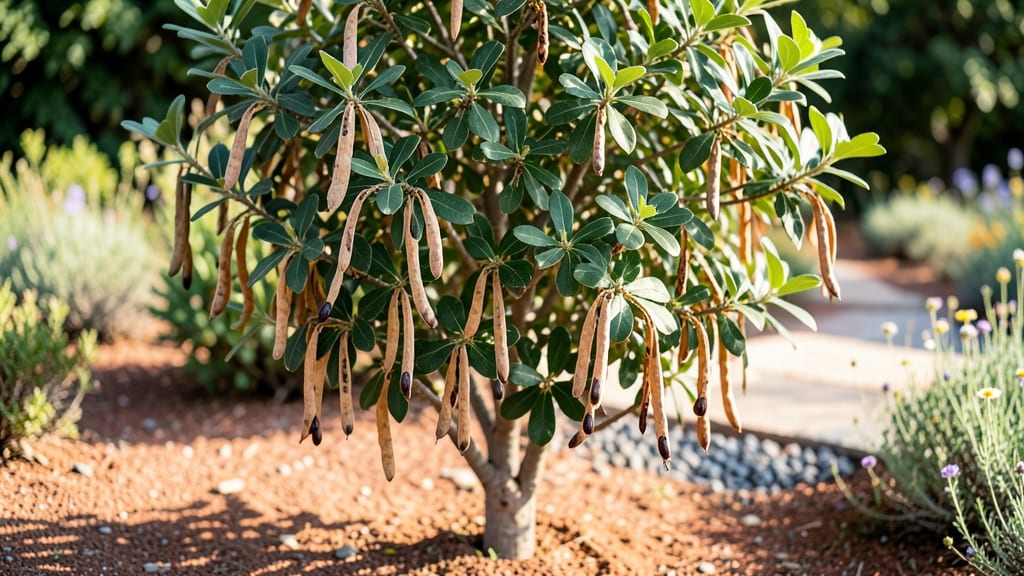
Harvesting Texas mountain laurel seed pods at the right time means a year-round supply of drought-resistant plants for your landscape. 🌿 The key is patience—wait until late fall or winter when the pods turn brown and split open naturally, revealing the shiny black seeds inside.
Gathering them is simple: just shake the branches over a tarp or collect fallen pods from the ground. Store the seeds in a cool, dry place until spring planting, as they don’t need stratification—just moisture and warmth to wake up.
This native Texas beauty thrives in full sun and well-draining soil, making it perfect for low-maintenance gardens.
Once planted, these seeds germinate reliably within 2-4 weeks, and seedlings grow slowly but steadily into sturdy shrubs. The fragrant purple blooms arrive in spring, attracting pollinators while keeping deer and pests away. No fancy tricks—just good timing and a little space.
For best results, sow seeds in late winter or early spring in sandy or rocky soil. They handle drought like a champ, so don’t overwater. With a little care, you’ll have a long-lived, native plant that pays dividends for decades. Ready to get started?
📚 In This Guide
- What you need
- Instructions
- Tips and common mistakes
- Wrapping up and next steps
What you need
- ● Fresh Texas Mountain Laurel seed pods: Harvest only fully mature pods (deep maroon/burgundy color, dry to the touch, and slightly papery). Aim for 50–100 pods depending on your storage goals.
- ● Pro tip: 💡 Collect pods in late summer to early fall (August–October) for peak viability.
- ● Pruning shears or sharp scissors: A pair with 4–6 inch blades for clean cuts (avoid damaging the plant).
- ● Paper grocery bags or breathable mesh sacks: 2–3 large bags (10–12 gallon capacity) to collect pods without crushing them.
- ○ Glove (optional but recommended): A pair of gardening gloves to protect your hands from the plant’s mildly irritating sap.
- ● Dry, shaded workspace: A clean, dry area (like a garage or covered patio) to process pods. Avoid humidity!
- ● Patience: Seed pods need 4–6 weeks to fully dry indoors before storage.
- ● Labeling supplies: Masking tape + marker to label bags with the harvest date.
- ● A seed tray or cardboard box lined with newspaper for drying pods in a single layer.
- ● Desiccant packets (like silica gel) to place in storage containers for extra dryness.
- ● Magnifying glass for inspecting pods for pests or damage.
- ● Notebook to track germination rates if experimenting with propagation.
Step-by-Step instructions for harvesting Texas Mountain Laurel seed pods
Here's how to collect and store these drought-resistant seeds for planting year after year.
🌱 Step 1: Identify and Locate Mature Seed Pods
Texas mountain laurel pods turn from green to tan or brown when ready—this usually happens in late summer to early fall. Look for pods that feel slightly papery and begin to split open naturally. I always check the south side of trees first, as that's where pods mature earliest.
Gently shake the tree from a distance to listen for seeds rattling inside. If they sound loose, that's your cue to harvest. Avoid pods that are still green or feel hard—they won't contain viable seeds. I like to work on mild, dry days when humidity is low, as damp conditions can encourage mold during storage.
✂️ Step 2: Harvest Pods Safely Without Damaging the Tree
Use clean, sharp pruning shears to snip pods directly from the branch. Cut the stem at a 45-degree angle about ½ inch above the pod to promote faster healing. Never pull pods off—they can tear the bark and leave wounds that attract pests. I collect pods into a breathable mesh bag (like an onion sack) to keep them contained while I work.
Harvest only 20-30% of pods per tree in a single season to ensure the plant has enough energy to produce next year's crop. If you take too many, the tree may struggle to recover. Once collected, spread the pods in a single layer on a tray to air-dry for 3-5 days in a shady, well-ventilated spot.
💧 Step 3: Extract Seeds and Prepare for Storage
After pods are fully dry, place them in a large bowl and gently crush them with your hands or a wooden spoon. The seeds will separate from the fibrous pulp. I sift the mixture through a fine mesh screen to catch the seeds while letting debris fall through. Seeds should be smooth, oval, and dark brown—discard any that are shriveled or discolored.
Once clean, spread the seeds on a paper towel in a single layer and let them dry for an additional 24 hours in a cool, dry place. This extra step prevents moisture-related rot during long-term storage. Store the seeds in a sealed airtight container with a silica gel packet to absorb any lingering humidity.
⏰ Step 4: Store Seeds for Optimal Germination
Texas mountain laurel seeds require stratification—a cold period—to break dormancy. Place the sealed container in your refrigerator's crisper drawer (where humidity is controlled) for 60-90 days. Check them monthly to ensure no mold has developed. After stratification, transfer the seeds to a cool, dark place (like a basement) until planting season.
Seeds remain viable for 2-3 years when stored properly. I label each container with the harvest year and tree source to track performance. When ready to plant, soak seeds in lukewarm water for 24 hours before sowing to soften the tough outer coating and improve germination rates.
☀️ Step 5: Plant Stratified Seeds in Ideal Conditions
Sow seeds in well-draining soil mixed with sand or perlite to prevent rot. Plant them ¼ inch deep in individual pots or a seed tray, as they dislike being transplanted later. Keep the soil moist but not soggy—a spray bottle works best to avoid disturbing seeds. Place the tray under a grow light or in a bright, indirect window (they need 12+ hours of light daily).
Germination can take 3-6 weeks, so be patient. Once seedlings emerge, reduce watering slightly—they prefer dry conditions once established. Transplant outdoors after the last frost, spacing them 6-10 feet apart to allow for mature growth. The first year focuses on root development, so avoid heavy pruning until the plant is 3-4 years old.
Tips & tricks for perfect Texas Mountain Laurel seed pod harvesting
Real talk: Harvesting these pods takes patience, but these tricks will save you from common pitfalls and ensure you end up with viable seeds every time.
Timing Is Everything: The 3-5 day drying period in Step 2 is non-negotiable—this prevents mold during storage. I've learned the hard way that rushing this step leads to seeds that rot in containers. Place your drying tray near a fan on a low setting to create gentle airflow without disturbing the pods. If you're in a humid climate, extend drying to 7 days rather than risking moisture issues.
Harvesting Strategy: In Step 1, I recommend using a long pole with a mesh bag tied to the end to harvest from higher branches safely. This prevents you from climbing and accidentally damaging the tree. Also, harvest in the morning when dew has evaporated but humidity is still low—this gives you the best window for working with fresh pods. The south side tip is golden because those pods mature about a week earlier than others.
Seed Quality Control: When extracting seeds in Step 3, I float-test them in a bowl of water before final drying. Viable seeds will sink to the bottom (they're denser), while empty or damaged ones float. This extra 5-minute step saves you from planting duds later. For the final 24-hour drying on paper towels, I place the tray in my pantry where the temperature stays consistently cool—around 65°F—rather than near the stove or windows.
Stratification Hack: The 60-90 day cold stratification in Step 4 can feel like forever, but I've found a way to track progress. Place a small piece of paper with the date inside the container before sealing it. When you open it monthly, you'll see the date progress and know exactly how much longer the seeds need. Also, use a clear container with a tight lid so you can visually check for mold without opening it—just tilt and look for any fuzzy growth.
Pro Tips for Texas Mountain Laurel Seed Pods
- Real talk: Harvesting these pods takes patience, but these tricks will save you from common pitfalls and ensure you e...
- Timing Is Everything: The 3-5 day drying period in Step 2 is non-negotiable—this prevents mold during storage. I've l...
- Harvesting Strategy: In Step 1, I recommend using a long pole with a mesh bag tied to the end to harvest from higher ...
Frequently asked questions
Got questions about harvesting and storing Texas Mountain Laurel seed pods? You’re not alone! Here are some of the most common concerns—and their solutions—to help you master the process like a pro.
When is the best time to harvest Texas Mountain Laurel seed pods?
The ideal time is late summer to early fall (August–October) when the pods turn brown and begin splitting open naturally. Harvest them before they fully open to avoid seed loss. If pods stay green, wait a few weeks—they’ll ripen soon!
What should I do if the pods won’t open on their hand?
If the pods are stubborn, place them in a paper bag and store them in a warm, dry spot for 1–2 weeks. The natural ethylene gas will help them release seeds. Avoid crushing them—gentle patience works best! For tough cases, a light tap with a hammer (on a hard surface) can coax them open.
How do I store harvested seed pods for long-term use?
Once dried, store pods in a cool, dark place (like a sealed jar or airtight container) with silica gel packets to prevent moisture. They’ll stay viable for years! Label the container with the harvest date—freshness matters for germination. Avoid refrigeration unless humidity is a concern in your climate.
Can I plant Texas Mountain Laurel seeds directly from the pod?
Yes! Simply remove the seeds (they’re the hard, pea-sized beans inside) and plant them ¼ inch deep in well-draining soil. No stratification is needed—they germinate readily in warm conditions. For faster results, soak seeds overnight before planting to soften the outer shell.
Are there any risks or precautions I should know about?
Texas Mountain Laurel seeds (and pods) contain cytisine, a compound toxic to pets and livestock if ingested in large amounts. Keep them out of reach of animals. Wear gloves if you’re sensitive to plant resins, and wash hands after handling. Always supervise kids or pets around harvested materials!
Wrapping up and next steps
Harvesting Texas Mountain Laurel seed pods is a rewarding way to ensure a steady supply of drought-resistant plants for your landscape—without the stress! With the right tools, timing, and storage know-how, you can enjoy reliable, year-round access to these stunning natives.
Whether you're a seasoned gardener or just starting out, this simple process opens doors to self-sufficiency and beauty for your outdoor space.
Ready to take the next step? Mark your calendar for next year’s harvest season and start gathering supplies now. Your future Texas Mountain Laurel grove—and your lawn’s resilience—will thank you! 🌿✨