
Size
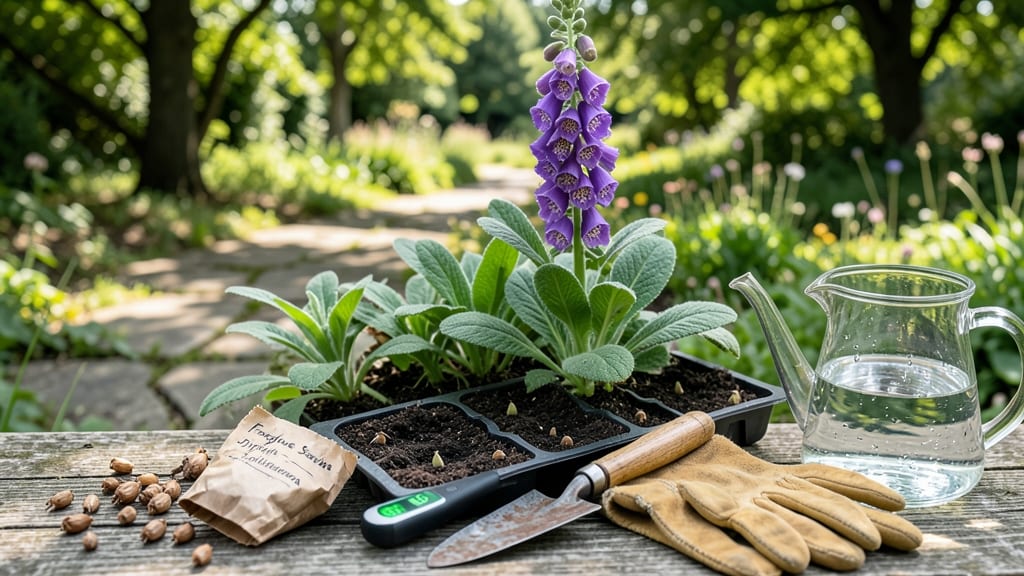
Growing foxglove from seed gives you towering spikes of bell-shaped blooms that feel like magic in your garden. 🌿 The trick isn't just planting—it's knowing when to harvest those seed pods before they twist shut, because once they do, those seeds lose their viability for next year.
I’ve learned this the hard way after watching perfectly good seeds turn useless in storage.
Start with fresh pods collected in late summer after the flowers fade but before they curl. Plant them in well-draining soil under partial shade, and keep the area consistently moist—foxglove seeds need patience, often taking 2-3 weeks to germinate.
The biggest challenge? Slugs love young seedlings, so protect them with organic barriers or diatomaceous earth until they’re sturdy enough to fend for themselves.
Once seedlings pop up, they’ll grow slowly at first but reward you with 3-4 foot stalks by next summer. The key to long-term success is storing those harvested seeds in a cool, dry place—paper envelopes work just fine—so you can repeat the process year after year.
That first flush of purple blooms makes every bit of waiting worth it.
Works best in USDA zones 4-8, where winters are cold enough to break seed dormancy naturally. If you’re in a milder climate, a short cold stratification period (just pop seeds in the fridge for 4 weeks) mimics winter’s effect.
The rest is just time, soil, and a little luck—no fancy equipment needed.
📚 In This Guide
- What you need
- Instructions
- Tips and common mistakes
- Wrapping up and next steps
What you need
- ● Foxglove seeds: 1–2 packets (100–200 seeds per packet; opt for heirloom varieties like Digitalis purpurea for vibrant blooms).
- ● Seed-starting trays: 1–2 shallow trays (10x20 inches) with drainage holes, or biodegradable peat pots (2–3 inches deep).
- ● High-quality seed-starting mix: 1–2 bags (sterilized, well-draining blend; avoid garden soil to prevent damping-off).
- ● Clear plastic domes or plastic wrap: 1–2 sheets (to create a humidity tent).
- ● Grow lights or sunny windowsill: 1–2 LED grow lights (12–16 hours/day) or a south-facing window (6+ hours of sunlight).
- ● Misting bottle: 1 (for gentle watering; avoid over-saturating seeds).
- ● Fertilizer: 1 bottle of balanced liquid fertilizer (5-5-5 or 10-10-10, diluted to half-strength).
- ● Twist-tie or rubber bands: 1–2 (for securing seed pods when harvesting).
- ● Paper bags or breathable containers: 2–3 (for drying harvested pods).
- ● Pruning shears or sharp scissors: 1 pair (for clean pod harvesting).
- ● Heating mat: 1 (70–75°F range) to speed up germination (foxglove seeds germinate slowly!).
- ● pH test kit: 1 (ensure soil pH is 6.0–7.0; foxglove prefers slightly acidic to neutral soil).
- ● Compost or worm castings: 1 bag (to boost soil fertility after transplanting).
- ● Label markers & tags: 5–10 (track varieties and planting dates!).
- ● Glove: 1 pair (nitrile gloves protect hands from foxglove’s mild toxins).
- ● Storage jars or airtight containers: 2–3 (for long-term seed/pod storage).
Instructions for harvesting and storing foxglove seeds
Here's how I preserve foxglove seeds year-round without the frustrating twists and wasted pods.
🌿 Step 1: Wait for Pods to Fully Ripen
Leave mature foxglove plants in the garden until their seed pods turn a deep brown color and begin to split open naturally. This usually happens in late summer or early fall, depending on your climate. You'll know they're ready when the pods start to crack along the seams—this is your signal to harvest before the seeds scatter.
Don't rush this step. Green or partially brown pods won't contain viable seeds, and harvesting too early means wasted effort. I like to check pods every few days once they start turning brown, gently squeezing them to feel for dryness inside. The pods should feel papery and hollow, not at all moist or plump.
✂️ Step 2: Harvest Pods Before They Split Open
Using clean, sharp scissors or pruning shears, cut the pods from the stems just above the first set of leaves. Work on a dry day when the plants aren't wet from dew or rain—this prevents mold and rot during storage. Place the harvested pods in a paper bag or open mesh bag to allow airflow while keeping them contained.
Here's the thing—foxglove pods twist and contort when dried improperly, making seed extraction nearly impossible. To prevent this, I avoid handling the pods directly. Instead, I lay them on a clean, dry towel in a single layer and let them air-dry naturally for about 7-10 days in a warm, shaded spot. Never use a dehydrator or heat source, as this causes the pods to warp.
🪴 Step 3: Extract Seeds When Pods Are Completely Dry
Once the pods are fully dry, they'll open on their own or can be gently squeezed to release the seeds. Lay one pod on a clean cutting board and use your thumbs to press the sides inward—you'll feel the seeds pop out. Place the seeds in a small envelope or paper bag, labeling it with the variety and harvest date.
I store the seeds in an airtight container with a desiccant packet to keep them dry. Foxglove seeds remain viable for 2-3 years when stored in a cool, dark place. The key is patience—don't rush the drying process, as even slight moisture can lead to mold or seed loss.
🌱 Step 4: Plant Seeds in Spring for Best Results
Sow foxglove seeds in early spring, just as the soil begins to warm. Scatter them lightly on the surface of moist potting mix—foxglove seeds need light to germinate, so don't cover them with soil. Press them gently into the mix and mist with water until the surface is damp but not soggy.
Place the container in a warm, bright spot with indirect light. Germination can take 4-6 weeks, so don't be discouraged if nothing happens right away. Once seedlings appear, move them to a sunny window or under grow lights. Thin the seedlings to 6 inches apart once they reach 2-3 inches tall—this gives them room to grow without competing for nutrients.
Tips & tricks for perfect foxglove seed harvesting
Here's what I learned after years of battling twisted pods and wasted seeds—these tricks make all the difference.
Step 1: The Ripeness Test: In Step 1, when checking for ripeness, look for pods that have turned completely brown and feel hollow when gently squeezed. If they still feel firm or green inside, they're not ready—wait a few more days. I've learned to trust my fingers over my eyes here; the texture tells the real story.
Drying Strategy: For Step 2, when laying pods out to dry, choose a location with good airflow but no direct sunlight. I use a mesh screen or an old window screen elevated slightly off the ground—this prevents moisture buildup from humidity. The 7-10 day drying time is crucial; rushing this step leads to those frustrating twists that ruin everything.
Seed Extraction: In Step 3, when extracting seeds, work with one pod at a time. Lay it on a clean cutting board and press gently but firmly—you'll feel the seeds pop out like little surprises. I've found that using a small bowl to catch the seeds underneath makes cleanup easier and prevents any from scattering.
Storage Wisdom: For long-term storage, I recommend using small glass jars with tight-sealing lids instead of paper bags. The glass won't absorb moisture like cardboard, and the desiccant packets work best when the container is sealed properly. Label each jar with the variety and harvest date—trust me, you'll forget otherwise!
Pro Tips for Foxglove Seed Grow A Garden
- Here's what I learned after years of battling twisted pods and wasted seeds—these tricks make all the difference.
- Step 1: The Ripeness Test: In Step 1, when checking for ripeness, look for pods that have turned completely brown and feel hollow when gently squeezed.
- Drying Strategy: For Step 2, when laying pods out to dry, choose a location with good airflow but no direct sunlight.
Frequently asked questions
When is the best time to plant foxglove seeds?
Foxglove seeds need cold stratification to germinate, so plant them outdoors in late fall or winter (or sow indoors in early spring and chill them for 4–6 weeks). Avoid planting in hot soil—they’ll rot. For year-round storage, harvest mature pods in late summer and dry them before sowing.
How long does it take for foxglove seeds to germinate?
Patience is key! Germination can take 2–4 weeks (or even months) under ideal conditions. Keep soil moist but not soggy and maintain temperatures between 60–70°F (15–21°C). Thin seedlings to 12–18 inches apart once they’re 4–6 inches tall to prevent overcrowding.
Are there non-toxic alternatives to foxglove for pollinators?
Yes! If you love foxglove’s height and drama but want safer options, try bee balm, hollyhock, or columbine. These plants attract pollinators too and are pet-friendly. Just avoid foxglove’s toxic leaves—they’re dangerous if ingested by humans or pets.
Why aren’t my foxglove seeds sprouting?
Foxglove seeds are fussy—here’s a quick troubleshooting list:
- No cold treatment: Seeds need 4–6 weeks of cold (stratification). Try refrigerating them in a damp paper towel.
- Too much light: Keep seeds in partial shade until germination.
- Old seeds: Foxglove seeds lose viability after 1–2 years. Harvest fresh pods for best results.
- Poor soil: Use well-draining, slightly acidic soil (pH 6.0–7.0).
How should I store foxglove seeds for next year?
Harvest fully dried pods (they’ll twist open on their own!) and store them in a cool, dry place (like a paper envelope in the fridge). Label them—foxglove seeds stay viable for 1–2 years if kept dry. Pro tip: Test a few seeds annually to check viability before full planting.
Wrapping up and next steps
Growing foxglove from seeds is a rewarding journey that brings stunning, towering blooms to your garden—if you master the twist-free pod harvesting trick! With the right tools, timing, and a little patience, you’ll unlock year-round storage and vibrant, healthy plants. 🌱✨
Now that you’re armed with knowledge, take the next step: grab those ripe pods, practice the twist technique, and watch your foxglove seeds thrive. Happy gardening—your future floral masterpiece starts with a single, carefully stored seed! 🌿💚