
Propagation
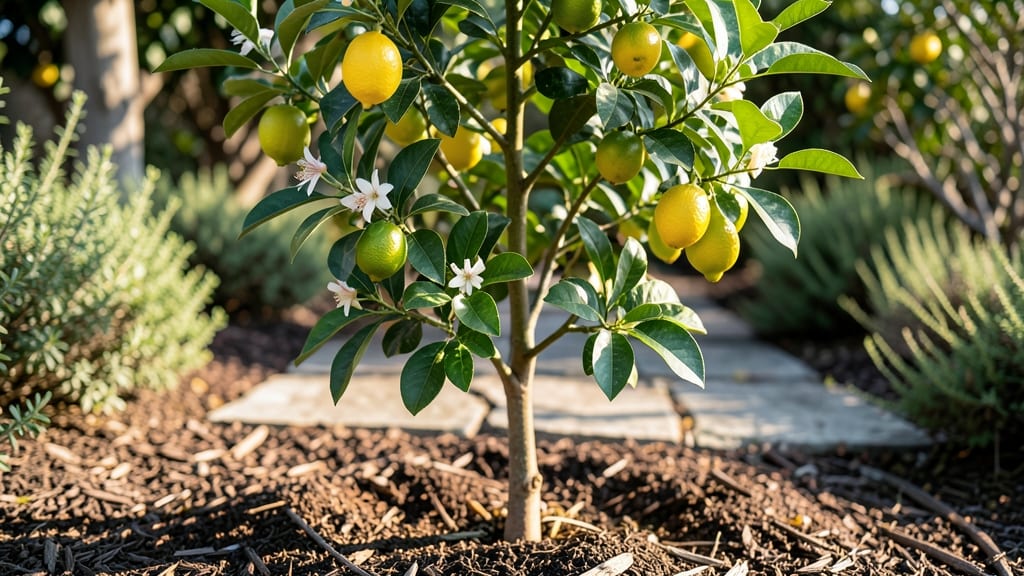
Growing a lemon tree from seed to fruit is the ultimate gardening marathon—one that rewards patience with fragrant blossoms and tangy harvests. 🌱 I’ve watched my own seedling go from a speck of soil to a tree bearing its first lemons, and the journey is as satisfying as the payoff.
The key isn’t rushing it; it’s understanding each stage so you don’t lose heart when fruiting takes years. You’ll need a sunny spot (indoors or out), well-draining soil, and a little extra warmth to coax those first sprouts.
The real magic happens in the details: watering just enough to keep roots happy, pruning to shape the tree, and fertilizing with organic matter to fuel growth. Most people quit before the 3-year mark, but that’s when the tree starts putting energy into fruit instead of leaves.
By year five, you’ll be picking lemons that taste fresher than anything from the store—bright, juicy, and packed with flavor. The tree stays productive for decades, giving you a lifetime of harvests from a single seed.
Even if you live in a cold climate, container growing lets you bring it inside during winter. Here’s where it gets interesting: the first flowers might not turn into fruit, but don’t give up.
With consistent care, your tree will learn to balance growth and production, and soon you’ll have more lemons than you know what to do with. Let’s get those seeds started!
📚 In This Guide
- What you need
- Instructions
- Tips and common mistakes
- Wrapping up and next steps
What you need
- ● Lemon seeds: 3–5 fresh, plump seeds from an organic, disease-free lemon (avoid hybrid varieties like Meyer lemons for best results).
- ● Potting mix: 1 bag (5–10 lbs) of well-draining cactus/succulent mix or a blend of 60% peat moss, 30% perlite, and 10% sand.
- ● Small pots: 2–3 biodegradable pots (3–4 inches in diameter) or plastic nursery pots with drainage holes.
- ● Watering can or spray bottle: With a fine rose nozzle for gentle hydration.
- ● Clear plastic wrap or humidity dome: To create a mini greenhouse effect.
- ○ Grow lights or sunny windowsill: A full-spectrum LED grow light (optional but helpful for indoor setups) or a south-facing window with 6+ hours of sunlight daily.
- ● Pruning shears: Small, sharp pair for trimming (sterilized with rubbing alcohol).
- ● Fertilizer: Balanced liquid fertilizer (10-10-10 or 20-20-20) diluted to half-strength, or organic options like fish emulsion.
- ○ Spray bottle with neem oil (optional): For pest control (1 tsp neem oil + 1 quart water).
- ● Larger pot (1–2 gallons): For transplanting after 6–12 months (ensure drainage holes!).
- ○ Thermometer (optional): To monitor soil temperature (ideal: 70–85°F for germination).
Step-by-step instructions for growing a lemon tree from seed to fruit
Here’s how I turn a lemon seed into a thriving tree that bears fruit—no green thumb required.
🌱 Step 1: Extract and Dry the Seed
Save a fresh lemon seed from an organic fruit (conventional seeds may be treated to prevent sprouting). Rinse it gently to remove any pulp, then pat it dry with a paper towel. Spread the seed on a clean, dry surface—like a paper towel or mesh screen—and let it air dry for 3-5 days in a warm, shaded spot. This prevents mold and ensures a good start.
Real talk: Don’t rush this step. A damp seed left too long will rot before it even sprouts. You’ll know it’s ready when the outer skin feels firm and the seed doesn’t stick to your finger.
🌱 Step 2: Plant the Seed in a Moistened Growing Medium
Fill a 4-inch diameter pot with sterile seed-starting mix (not garden soil—it’s too heavy and can harbor diseases). Moisten the mix until it’s damp but not soggy, then press the dried seed about ½ inch deep into the soil. Cover lightly with a thin layer of additional mix, just enough to hide the seed.
Place the pot in a warm spot (70-80°F)—a seedling heat mat speeds things up, but a sunny windowsill works too. Mist the soil lightly with water to settle it around the seed. Germination can take 2-4 weeks, so patience is key. Keep the soil consistently moist (not wet) until you see the first green shoot.
☀️ Step 3: Provide Light and Gradually Increase Pot Size
Once the seedling emerges, move it to a bright, indirect light spot. Avoid direct sun at first—young seedlings burn easily. After 4-6 weeks, when the seedling has 3-4 true leaves, transplant it into a 6-inch pot with fresh potting mix. Lemon trees grow fast, and cramped roots stunt their development.
Here’s the thing—lemon trees thrive in full sun (6+ hours daily) once established. If you’re growing indoors, supplement with a grow light for 12-14 hours/day. You’ll notice leggy growth if light is insufficient—this is the plant stretching toward any available light.
🪴 Step 4: Transition to a Larger Container and Outdoor Conditions
By 6-12 months, your lemon tree will outgrow its pot. Repot it into a 12-inch container with well-draining citrus potting mix (or a blend of potting soil, perlite, and sand). Lemon trees hate soggy roots, so ensure the pot has drainage holes and use a cache pot underneath to catch excess water.
If you live in a warm climate, introduce the tree to outdoor conditions gradually. Start with 1-2 hours of shade on the first day, then increase exposure over 2 weeks. Full sun outdoors is ideal, but protect young trees from harsh afternoon rays. Watch for new growth—this signals the tree is adapting well.
✂️ Step 5: Prune, Fertilize, and Pollinate for Fruit Production
Prune leggy or crowded branches in early spring to encourage bushier growth. Use clean, sharp scissors to make cuts just above a leaf node. Fertilize every 4-6 weeks with a citrus-specific fertilizer (follow package instructions). Lemon trees are heavy feeders, so don’t skimp—this is what fuels fruit production.
Here’s the secret: Lemon trees are self-pollinating but benefit from a gentle shake of the branches to distribute pollen. If you’re growing indoors, use a small paintbrush to transfer pollen from flower to flower. You’ll see tiny green fruits form 1-2 years after flowering—this is your reward for patience.
Tips & tricks for perfect lemon tree cultivation
Growing a lemon tree from seed to fruit is all about patience and precision—here's how to avoid common pitfalls and maximize your success.
Seed Selection: Always use seeds from organic lemons, as conventional seeds are often treated to prevent sprouting. I've learned this the hard way—non-organic seeds might never germinate. Look for plump, undamaged seeds with no soft spots. If you're using store-bought lemons, choose ones labeled "organic" or grow your own from homegrown fruit.
Temperature Matters: Maintain that 70-80°F range during germination—this is critical for consistent results. I use a seedling heat mat under my 4-inch pot, which keeps the soil warm without overdoing it. If your home stays cooler, place the pot on top of your refrigerator (not inside) to create a warm microclimate. The goal is to mimic tropical conditions where lemon trees naturally grow.
Light Transition Strategy: When moving your seedling to brighter light after germination (Step 3), do it gradually over 3-5 days. Start with morning sun only, then gradually increase exposure. I've seen seedlings burn within hours when moved directly to full sun. Watch for pale yellow leaves—they're a clear sign of sunburn. Remember, those 12-14 hours of grow light indoors are your best friend for consistent growth.
Pruning Insight: When pruning in early spring (Step 5), focus on creating an open center rather than just trimming leggy branches. This allows better air circulation and sunlight penetration to the inner growth. I cut back about one-third of the new growth each year, which encourages bushier, more productive growth. Always use clean, sharp scissors to avoid tearing the bark—this helps prevent disease.
Pro Tips for Lemon From Seed To Fruit
- Growing a lemon tree from seed to fruit is all about patience and precision—here's how to avoid common pitfalls and maximize your success.
- Seed Selection: Always use seeds from organic lemons, as conventional seeds are often treated to prevent sprouting.
- Temperature Matters: Maintain that 70-80°F range during germination—this is critical for consistent results.
Frequently asked questions
Growing a lemon tree from seed to fruit is exciting, but it’s natural to have questions along the way! Here are answers to some of the most common ones to help you succeed.
How long does it take for a lemon seed to sprout?
A lemon seed typically sprouts within 2–4 weeks if kept in warm, moist conditions. Place the seed in a small pot with well-draining soil and maintain a temperature of 70–80°F (21–27°C). Patience is key—some seeds may take longer, especially if the soil is too dry or cold. Keep the soil consistently damp (not soggy) to encourage germination.
When will my lemon tree start producing fruit?
If you’re growing from seed, expect to wait 3–5 years before your lemon tree bears fruit. Seed-grown trees are less predictable than grafted ones, so fruit production may take longer. To speed things up, choose a thornless Meyer lemon variety, which tends to fruit faster. Provide full sun, proper watering, and occasional fertilizer to support growth.
Can I grow a lemon tree indoors, or does it need outdoor conditions?
Yes! A lemon tree can thrive indoors with the right setup. Place it near a south-facing window or under a grow light for 6–8 hours of sunlight daily. Use a pot with drainage holes, and rotate it occasionally for even growth. In winter, keep it away from cold drafts. For outdoor growing, move the tree outside after the last frost when temperatures stay above 50°F (10°C).
Why are my lemon tree leaves turning yellow?
Yellow leaves are often a sign of overwatering, underwatering, or nutrient deficiencies. Check the soil—it should be moist but not waterlogged. If the roots are soggy, reduce watering and ensure the pot has drainage. Yellowing can also indicate iron deficiency (common in alkaline soil). Try adding an iron supplement or use a citrus-specific fertilizer. Pests like spider mites may also cause yellowing—inspect the undersides of leaves.
What’s the best way to pollinate a lemon tree for fruit?
Lemon trees are self-pollinating, but you can encourage fruit set by gently shaking the tree or using a small brush to transfer pollen between flowers. Avoid harsh chemicals, as they can harm pollinators like bees. For indoor trees, hand-pollination is especially helpful. Choose healthy, mature flowers (not the first flush) for the best results. Consistency in watering and fertilizer also supports fruit development.
Wrapping up and next steps
Growing a lemon tree from seed to fruit is a rewarding journey that blends patience, care, and a touch of magic. 🌱 From nurturing your seedling to harvesting vibrant, tangy lemons, every step is a chance to connect with nature—and maybe even enjoy a homegrown glass of fresh lemonade!
Whether you’re a beginner or a seasoned gardener, your efforts will pay off with fragrant blooms and sweet rewards.
Ready to take the next step? Start small:
- Pick a sunny spot in your garden or balcony.
- Gather your tools and supplies.
- Plant that seed and watch your green thumb grow!