
Lawn
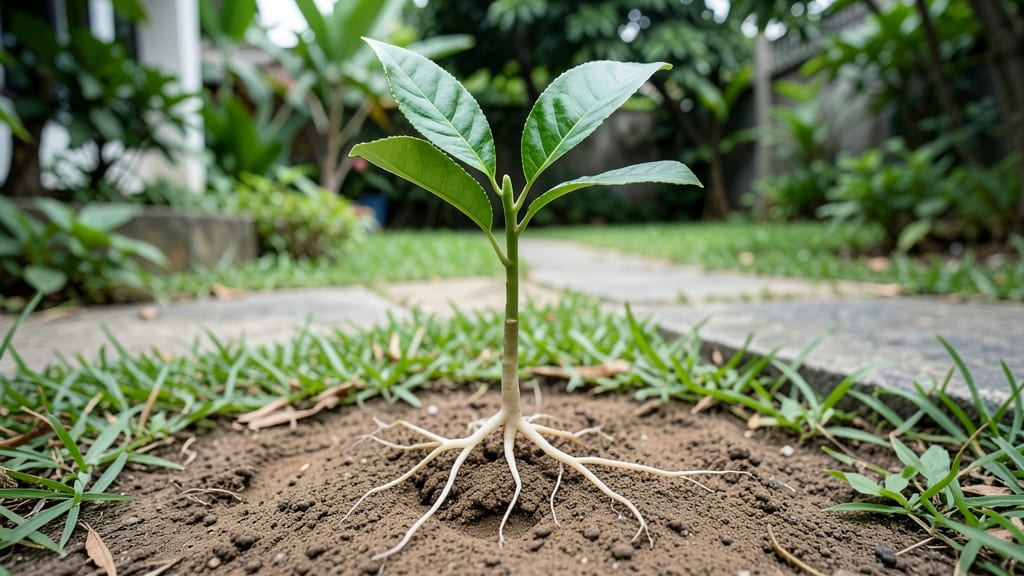
Your mango seed root could sprout in just 10-14 days with the right technique—no fancy equipment needed. 🌱 I’ve turned grocery store mango pits into sturdy seedlings by cracking the germination code, and you can too.
The secret isn’t patience (though it helps) but creating the perfect warm, moist environment that mimics tropical conditions.
Start by soaking the seed for 24 hours to soften the hard shell, then plant it 1 inch deep in a pot with well-draining soil—think equal parts potting mix and perlite.
Keep the soil consistently damp (not soggy) and place the pot in a warm spot (75-85°F), like near a sunny window or under a grow light. A plastic bag loosely draped over the pot traps humidity without suffocating the seed.
Within 2 weeks, you’ll spot a tiny sprout breaking through. Once the seedling hits 3-4 inches, transplant it into a 6-inch pot with fresh soil and give it bright, indirect light to prevent leggy growth.
Watch for yellowing leaves—a sign of overwatering—and stunted growth, which usually means it’s too cold or dry. Adjust quickly, and your mango will bounce back.
By month 3, you’ll have a sturdy sapling ready for its first outdoor adventure—if you’re in zones 10-11. For cooler climates, keep it as a houseplant or overwinter it indoors.
The key? Consistency. Mango seeds are finicky, but once you nail the root environment, they reward you with fast, vigorous growth that’ll have you dreaming of tropical lawns in no time.
📚 In This Guide
- What you need
- Instructions
- Tips and common mistakes
- Wrapping up and next steps
What you need
- ● Mango seeds: 5–10 fresh, viable seeds (harvested from ripe, organic mangoes for best results).
- ● Potting soil: 2–3 bags (sterile, well-draining mix with perlite or coconut coir—avoid garden soil).
- ● Small pots or seed trays: 6–10 (4–6 inch diameter with drainage holes).
- ● Watering can or spray bottle: With a fine mist setting for gentle hydration.
- ● Plastic wrap or humidity dome: To retain moisture during germination.
- ● Sunlight access: A warm, bright spot (70–85°F) or a grow light for indoor setups.
- ● Scissors or knife: For carefully slicing seed coats (if needed).
- ○ Seed germination kit: (Optional) Speeds up the process with pre-moistened pads.
- ● Fertilizer: Balanced liquid fertilizer (5-5-5 NPK) for post-germination growth.
- ● Transplanting tools: Small trowel and gloves for handling delicate roots.
- ● Mulch: Organic mulch (e.g., shredded leaves) to retain soil moisture.
- ● pH testing kit: Ensures soil pH is between 6.0–7.0 (mangoes prefer slightly acidic soil).
Step-by-Step guide to germinating mango seeds for tropical lawns
Here’s how to coax those stubborn mango pits into fast, vigorous roots—no fancy equipment needed.
🌱 Step 1: Extract and Prepare the Seed
Start with a fresh, firm mango pit—ripe but not mushy. Crack it open carefully with a nutcracker or hammer, then separate the two halves. You’ll see the seed nestled inside, encased in a fibrous membrane. Rinse it under lukewarm water to remove any remaining fruit residue, then pat it dry with a paper towel.
The key here is speed—don’t let the seed dry out. If it’s still damp after rinsing, wrap it in a damp paper towel and place it in a sealed plastic bag for 24 hours. This mimics tropical humidity and kickstarts the germination process. You’ll know it’s ready when the seed feels slightly softer to the touch.
💧 Step 2: Soak for Rapid Germination
Fill a small bowl with room-temperature water and submerge the seed completely. Let it soak for 3-5 days, changing the water daily to prevent mold. You’ll notice the seed swelling slightly—this is a good sign. The goal is to break dormancy and encourage root growth without rotting the seed.
Check for the first signs of life: a tiny white root (called a radicle) will emerge from the bottom. Once you see this, it’s time to move to the next step. If no root appears after 5 days, give it one more day—patience is key, but don’t let it soak beyond 7 days total or it may rot.
☀️ Step 3: Plant in a Moist, Well-Draining Medium
Fill a small pot (at least 4 inches deep) with a mix of 50% peat moss and 50% perlite—this ensures drainage while retaining moisture. Make a hole in the center about 1 inch deep and place the seed with the radicle (root) facing downward. Cover it lightly with the mix, pressing gently to secure it.
Water the soil until it’s evenly moist but not soggy. Place the pot in a warm, bright spot—75-85°F is ideal—like a sunny windowsill or under a grow light. Keep the soil consistently moist by misting it daily or placing the pot on a tray of water with pebbles to maintain humidity. You should see the first true leaves in 2-4 weeks.
🌿 Step 4: Transplant and Encourage Root Development
Once the seedling reaches 6 inches tall and has a few sets of leaves, it’s ready for its first transplant. Choose a slightly larger pot (about 6-8 inches deep) and use the same peat-perlite mix. Gently remove the seedling from its original pot, keeping the root ball intact, and place it in the new container at the same depth it was growing before.
After transplanting, water thoroughly and place the pot in a spot with bright, indirect light for a week to help it adjust. Avoid direct sunlight at first—young mango seedlings can scorch easily. Over the next few weeks, gradually introduce more sunlight to harden the plant. You’ll know it’s thriving when new leaves appear and the stem thickens noticeably.
⏰ Step 5: Maintain Optimal Conditions for Fast Growth
Mango seedlings love warmth and humidity, so keep the soil temperature around 70-80°F and maintain high humidity by misting the leaves daily or using a humidity dome. Water when the top 1 inch of soil feels dry, but avoid letting the soil stay soggy—root rot is a common killer of young mango trees.
Fertilize lightly every 4-6 weeks with a balanced, water-soluble fertilizer (like 10-10-10) diluted to half strength. You’ll see faster growth when the leaves stay dark green and the stem grows sturdier. With consistent care, your seedling could be ready for outdoor planting in 6-12 months, depending on your climate.
Tips & tricks for perfect mango seed germination
Here’s what I’ve learned after watching dozens of mango seeds finally sprout—these tricks cut your waiting time in half.
Speed Up Dormancy Break: The 24-hour damp towel trick in Step 1 isn’t just about moisture—it’s about simulating tropical humidity. Place the sealed bag in a warm spot (like near your fridge’s back panel where it’s naturally warmer) to accelerate the softening process. You’ll notice the seed’s outer shell becoming slightly pliable within 12-18 hours, signaling it’s ready for soaking. This warm environment mimics the tropical conditions where mango trees thrive naturally.
Soak Smarter: During the 3-5 day soaking period in Step 2, use filtered water if possible—tap water’s chlorine can inhibit root development. Change the water daily at the same time each day to maintain consistency. If you notice white fuzz developing (early mold), immediately rinse the seed with fresh water and resume soaking. The radicle typically emerges within 48-72 hours of starting the soak if conditions are optimal.
Planting Precision: When creating your 1-inch planting hole in Step 3, use a pencil or chopstick to make the hole clean and straight—this prevents the seed from tilting, which can delay germination. Press the peat-perlite mix gently around the seed to eliminate air pockets, ensuring consistent moisture contact. A small trick I use: tap the pot lightly on the counter after planting to settle the soil—this prevents the seed from floating upward during watering.
Light Management: The 75-85°F range mentioned for Step 3 isn’t just about temperature—it’s about creating the perfect light environment. Place your seedling near an east-facing window where it gets morning sun (gentler than midday rays). If using artificial light, position the grow light 6-8 inches above the pot and keep it on for 12-14 hours daily. Too much direct sun at this stage can cause the delicate seedling to develop brown patches—think of it as sunburn for plants.
Pro Tips for Mango Seed Root
- Here’s what I’ve learned after watching dozens of mango seeds finally sprout—these tricks cut your waiting time in half.
- Speed Up Dormancy Break: The 24-hour damp towel trick in Step 1 isn’t just about moisture—it’s about simulating tropical humidity.
- Soak Smarter: During the 3-5 day soaking period in Step 2, use filtered water if possible—tap water’s chlorine can inhibit root development.
Frequently asked questions
Got questions about growing mango seed roots? You’re not alone!
Here are the most common queries—plus quick, actionable answers to help you cultivate your tropical lawn with confidence.
How long does it take for a mango seed to sprout?
A mango seed typically sprouts within 2–4 weeks if kept in warm, moist conditions (70–85°F). Patience is key—some seeds take up to 6 weeks, especially in cooler climates. Pro tip: Use a heat mat or sunny windowsill to speed things up!
Why isn’t my mango seed sprouting?
If your seed refuses to sprout, check these fixes:
- Dormancy: Some seeds need scarification (scratch the hard shell) or warm soaking (24 hours in water).
- Rot risk: Overwatering or poor drainage can drown the seed. Use a well-draining mix (peat moss + perlite).
- Temperature: Below 60°F? Move it to a warmer spot—mango seeds hate the cold!
Can I grow a mango seed root indoors first, then transplant?
Start seeds indoors in 6-inch pots with a tropical soil mix. Once the seedling reaches 12–18 inches and has 3–4 leaves, transplant it outdoors after the last frost. Warning: Mango trees are frost-sensitive—keep them in pots if you live in a cold zone!
What’s the best soil mix for mango seed roots?
Mimic tropical conditions with a loose, airy mix:
- 50% peat moss or coco coir (retains moisture)
- 30% perlite or vermiculite (drainage)
- 20% compost or worm castings (nutrients)
Add a slow-release fertilizer (like 5-10-10) at planting for a growth boost.
Will my mango seed root grow into a fruit-bearing tree?
Most mango seed roots grow into wild-type trees (not the same as grocery-store varieties). While they’ll produce small, edible fruit, it may take 5–10 years and the flavor/texture won’t match cultivated mangoes. For faster fruiting, graft a named variety onto your seedling!
Bonus Tip:
Label your pots! Mango seedlings look identical until they sprout leaves—and trust us, you’ll forget which one you planted first. Use toothpicks + Sharpie for easy tracking.
Wrapping up and next steps
Growing a mango seed root into a thriving tropical lawn staple is simpler than you think—with the right patience and care! 🌱 From soaking seeds to nurturing seedlings, each step brings you closer to lush, shade-providing greenery. The key? Consistency in moisture, sunlight, and a little creativity with propagation.
Ready to turn your yard into a tropical paradise? Start small—plant a few seeds today! Watch them sprout, experiment with different growing methods, and soon, you’ll have a stunning, low-maintenance lawn that’s as rewarding as it is beautiful. Happy planting! 🌿✨