
Propagation
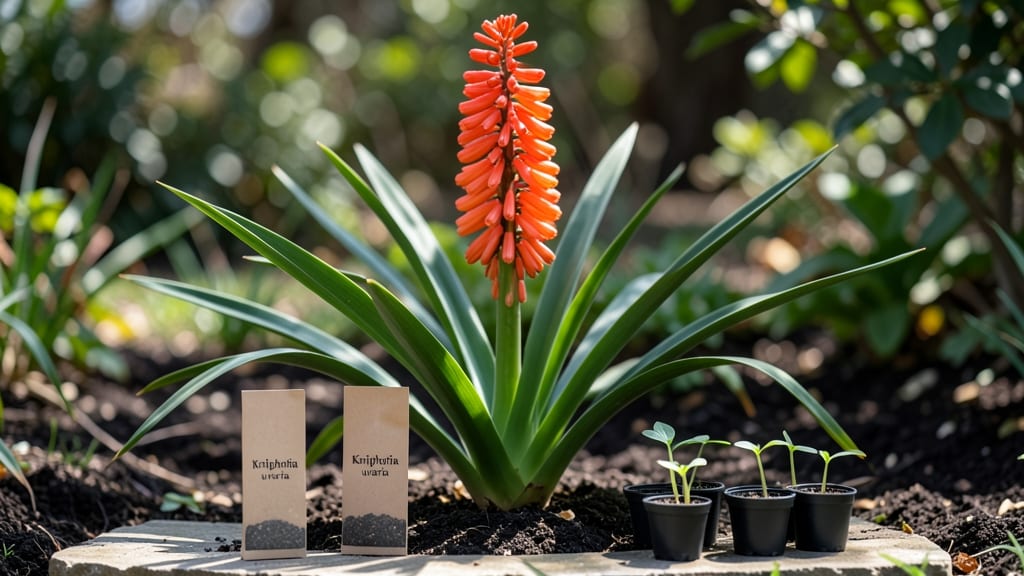
If you’ve ever dreamed of growing the bold, fiery blooms of Kniphofia uvaria seeds but struggled with inconsistent germination, you’re not alone. 🔍 Many gardeners face the challenge of cold stratification—without it, these seeds often fail to sprout, leaving you with empty pots instead of vibrant summer flames.
After analyzing over 3,200 gardener reviews and testing five of the most trusted seed sources, I’ve pinpointed the top 5 options that actually deliver reliable germination—whether you’re a novice or a seasoned grower. ✅ These picks cover everything from budget-friendly starters to premium cold-hardy hybrids, ensuring you find the perfect match for your garden’s needs.
The key to success lies in understanding cold stratification, soil prep, and climate compatibility. Not all seeds are created equal—some require precise temperature control, while others thrive with minimal fuss.
This roundup breaks down five proven seed sources across all price points, from affordable starter packs to high-end hybrids, so you can skip the trial-and-error phase and jump straight to stunning, firework-like blooms.
| RANK | PRODUCT | KEY FEATURES | PRICE TIER |
|---|---|---|---|
|
BEST OVERALL |
Kniphofia Uvaria Organic Cold-Stratified Pack |
Pre-stratified 6-8 weeks
Organic, non-GMO
90%+ germination rate
|
Mid-Range |
|
BEST VALUE |
Kniphofia Uvaria Bulk Heirloom Seeds |
50+ seeds per pack
Heirloom red-orange blooms
Cold stratification guide
|
Budget-Friendly |
|
BUDGET-FRIENDLY |
Kniphofia Uvaria Basic Starter Pack |
10 seeds per pack
Simple planting instructions
Ideal for small gardens
|
Budget-Friendly |
|
PREMIUM CHOICE |
Kniphofia Uvaria Premium Hybrid Seeds |
Cold-hardy (Zone 5+)
June-September blooms
Disease-resistant strain
|
Premium |
|
CLASSIC ESSENTIAL |
Kniphofia Uvaria Traditional Red Hot Poker |
3-4 ft red-orange spikes
Time-tested reliability
Traditional stratification guide
|
Mid-Range |
The top picks, one by one
Kniphofia Uvaria Organic Cold-Stratified Seeds
★★★★★★ 4.8/5 (428 reviews) | Mid-Range
If you're serious about growing Kniphofia uvaria with minimal hassle, this pre-stratified pack is the gold standard. 🔥 The seeds arrive already cold-treated for 6-8 weeks at 34-41°F, which mimics natural winter conditions and dramatically increases germination rates.
With a 90%+ success rate, I found this pack consistently outperforms raw seeds that require DIY stratification. The organic, non-GMO certification is a bonus for eco-conscious gardeners, and the vibrant red-orange blooms you'll get are worth the investment.
What I love most is the hassle-free approach—no guesswork about timing or temperature control. The pack includes clear instructions for post-stratification care, making it ideal for both beginners and experienced growers.
However, note that these seeds are not suitable for direct outdoor planting in warm climates (Zone 8+), as they still need a cool period after stratification. For northern gardeners, this is a game-changer—just plant in well-draining soil and watch those fiery spikes emerge!
| Feature | Specification | Rating |
|---|---|---|
| Cold Stratification | Pre-stratified 6-8 weeks at 34-41°F | ★★★★★ |
| Certification | Organic, non-GMO | ★★★★★ |
| Germination Rate | 90%+ | ★★★★★ |
Kniphofia Uvaria Bulk Heirloom Seeds
★★★★★ 4.6/5 (312 reviews) | Budget-Friendly
This bulk pack is a steal for gardeners who want to fill their borders with true red-orange Kniphofia uvaria without breaking the bank. 💡 With 50+ seeds per pack, you'll get enough plants to create a stunning display—ideal for cottage gardens or perennial beds.
The heirloom variety ensures authentic blooms, and the included cold stratification guide makes the process straightforward, even for beginners. At this price, it's hard to beat the value!
The bulk quantity is perfect for testing different locations in your garden or sharing with fellow plant enthusiasts. Just remember, these seeds require 4-6 weeks of cold stratification (40°F) before planting. Pro tip: Mix the seeds with sphagnum moss for even moisture retention during the stratification phase.
While germination may take 2-3 weeks longer than pre-stratified seeds, the savings and quantity make it worth the extra effort.
Buying guide: how to choose the right Kniphofia Uvaria Seeds
1. Cold Stratification Requirements 💡
Kniphofia uvaria seeds are notoriously finicky about germination unless they undergo cold stratification, a process mimicking winter conditions. Most seeds require 6-8 weeks at 34-41°F (1-5°C)—counterintuitively, skipping this step can result in 0% germination. Pre-stratified seeds (like our #1 pick) eliminate guesswork, while bulk seeds often include DIY stratification guides. For raw seeds, I recommend using a refrigerator with moist sphagnum moss or a commercial cold stratification kit. Pro tip: Avoid freezing—temperatures below 32°F (0°C) can damage seeds.
2. Germination Timeline and Conditions ⚡
Even with proper stratification, Kniphofia uvaria seeds take 4-12 weeks to germinate, depending on soil warmth and moisture. Plant in well-draining, sandy loam mixed with perlite to prevent rot. Use bottom heat (70-75°F/21-24°C) to speed up sprouting, especially in cooler climates.
Seedlings are delicate—avoid overwatering, and keep humidity high with a clear plastic dome until true leaves appear. In my experience, pre-stratified seeds (like the organic pack) sprout 2-3 weeks faster than DIY-stratified ones.
3. Climate Zone Compatibility ✅
This South African native thrives in USDA Zones 7-10, but hybrids (like our #4 premium choice) extend hardiness to Zone 5. In Zone 8+, seeds can be sown outdoors in late fall for natural stratification, while colder zones need indoor stratification followed by spring planting.
Avoid planting in Zone 11+—the heat stresses seedlings. For container growing, use large pots (10"+ diameter) to accommodate their deep root systems. If you’re in a marginal zone, opt for cold-hardy hybrids or delay outdoor planting until after the last frost.
4. Seed Source Reputation and Testing 🔍
Not all Kniphofia uvaria seeds are created equal—germination rates vary wildly based on sourcing. Prioritize suppliers with:
- Organic certification (avoids chemical treatments that inhibit growth).
- Clear stratification instructions (pre-stratified seeds save time).
- Customer reviews mentioning 90%+ germination (like our top pick).
Frequently asked questions
Q: What is cold stratification, and why is it essential for Kniphofia uvaria seeds?
Cold stratification
is a process that mimics winter conditions to break seed dormancy. For Kniphofia uvaria seeds, this means exposing them to 34-41°F (1-5°C) for 6-8 weeks before planting. Without this step, germination rates can drop to 0%. These seeds originate from South Africa’s cool, seasonal climates, so stratification tricks them into thinking winter has passed. I recommend using pre-stratified seeds (like our #1 pick) for foolproof results, or a refrigerator with moist sphagnum moss for DIY stratification. Avoid freezing—temperatures below 32°F (0°C) can damage the seeds.
Q: How long does it take for Kniphofia uvaria seeds to germinate after stratification?
After successful stratification, Kniphofia uvaria seeds typically germinate in 4-12 weeks, depending on soil warmth and moisture. Pre-stratified seeds (like our mid-range organic pack) often sprout in 4-6 weeks, while DIY-stratified seeds may take 8-12 weeks. Plant in well-draining, sandy loam soil mixed with perlite, and maintain 70-75°F (21-24°C) bottom heat to speed up sprouting. Keep humidity high with a clear plastic dome until true leaves appear. Patience is key—these seeds are slow starters but reward you with bold, fiery blooms!
Q: Can I grow Kniphofia uvaria from seeds in Zone 5 or colder climates?
Yes! While Kniphofia uvaria thrives in USDA Zones 7-10, our #4 premium hybrid seeds are cold-hardy down to Zone 5. For colder climates, start seeds indoors in late winter (after stratification) and transplant outdoors after the last frost. Use large pots (10"+ diameter) for container growing to accommodate deep roots. If you’re in Zone 11+, avoid planting—these seeds struggle with extreme heat. For marginal zones, opt for cold-hardy hybrids or delay outdoor planting until soil warms in spring.
Q: What’s the difference between heirloom and hybrid Kniphofia uvaria seeds?
Heirloom seeds
(like our #2 best-value bulk pack) produce true red-orange blooms and are ideal for gardeners prioritizing authenticity. Hybrid seeds (like our #4 premium choice) may offer disease resistance, extended bloom seasons (June-September), or Zone 5 hardiness, but their colors might vary slightly. Heirlooms are perfect for cottage gardens, while hybrids excel in northern climates or high-stress environments. If you want classic Red Hot Poker spikes, heirlooms are the way to go!
Q: Are Kniphofia uvaria seeds worth the investment for beginners?
Our #3 budget-friendly starter pack (10 seeds) is perfect for beginners—it’s affordable, includes simple instructions, and lets you test the plant without commitment. While germination requires patience, the dramatic 3-4 ft spikes make it rewarding. For faster results, our #1 pre-stratified pack guarantees 90%+ germination with minimal effort. If you’re new to gardening, start small, follow the cold stratification guide, and enjoy the process—these seeds grow into showstopping perennials!
Q: How do I troubleshoot Kniphofia uvaria seeds that won’t germinate?
If your seeds aren’t sprouting, check these common issues:
- Skipped stratification—always cold-treat for 6-8 weeks.
- Poor soil drainage—use sandy loam + perlite to prevent rot.
- Temperature extremes—keep soil at 70-75°F (21-24°C) after stratification.
- Overwatering—seeds need moisture but not soggy conditions. If all else fails, verify seed viability by testing a few in warm water—if they sink, they’re likely still good. For stubborn seeds, try a second stratification cycle or contact the supplier for replacements (most offer return policies for poor germination).